6-Day Amboseli, Nakuru & Masai Mara
Overview
For travelers who dream of standing face-to-face with elephants beneath Mount Kilimanjaro, watching rhinos graze by Rift Valley lakes, and witnessing lions stalk the plains of the Masai Mara, the 6-Day Amboseli, Nakuru & Masai Mara Safari is a journey that brings those dreams to life. It is more than a vacation—it is a carefully curated Kenya Safari Trip that threads together three of the country’s most celebrated destinations in one unforgettable itinerary.
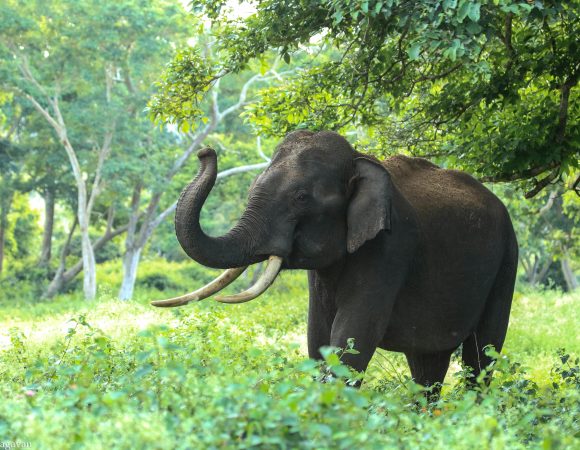
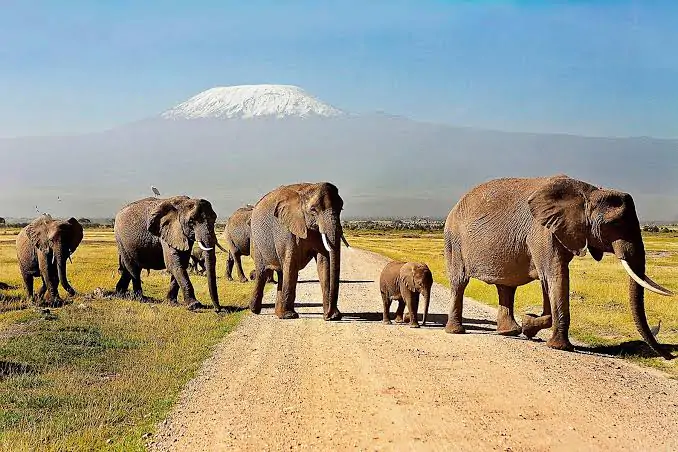
The journey begins in Amboseli National Park, one of Africa’s most iconic safari locations. Known for its enormous herds of elephants, Amboseli provides unrivaled photographic opportunities, with the snowcapped peak of Kilimanjaro rising majestically in the background. Here, you will not only encounter elephants but also lions, cheetahs, hyenas, buffaloes, giraffes, zebras, and over 400 species of birds. The park’s contrasting landscapes—from open plains to swamp-fed wetlands—make it a paradise for wildlife enthusiasts.
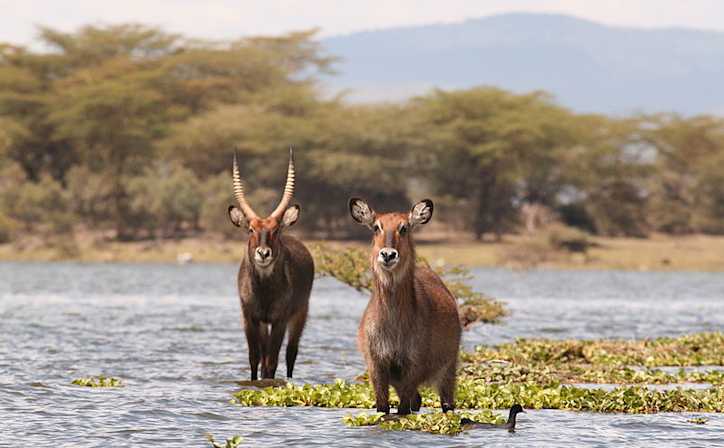
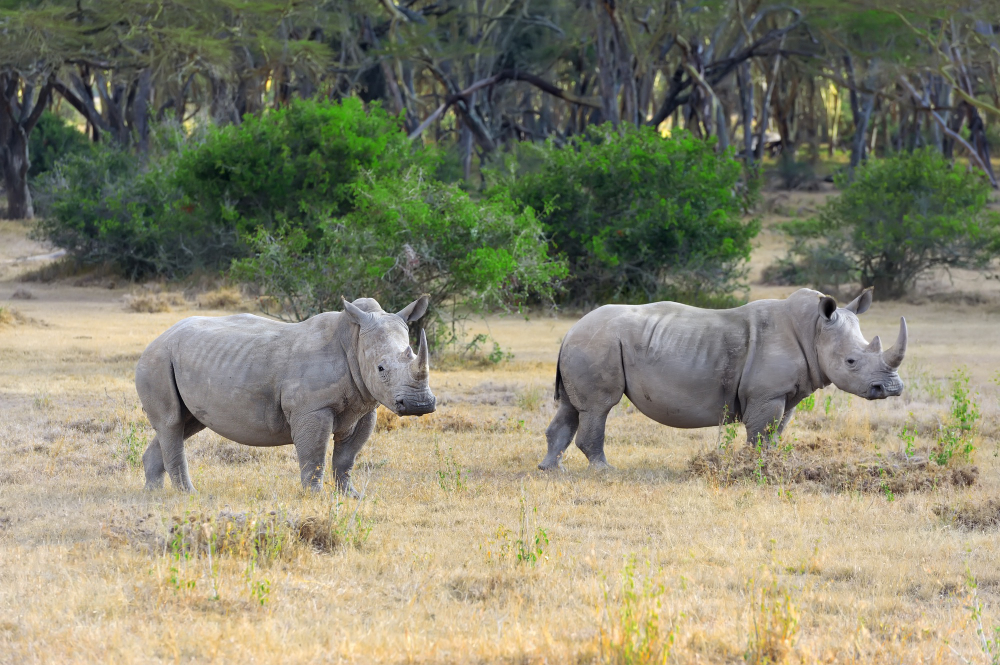
From Amboseli, your adventure continues northward to Lake Nakuru National Park, located in the heart of the Great Rift Valley. This park is world-famous for its flamingos, which turn the lake’s shores into a shimmering band of pink, and for its rhino sanctuary, home to both black and white rhinos. Beyond these highlights, Lake Nakuru is teeming with other wildlife, including lions, leopards, waterbucks, baboons, and an array of birdlife. Staying at The Cliff, a luxurious lodge perched above the lake, ensures you enjoy breathtaking views alongside rich game drives.
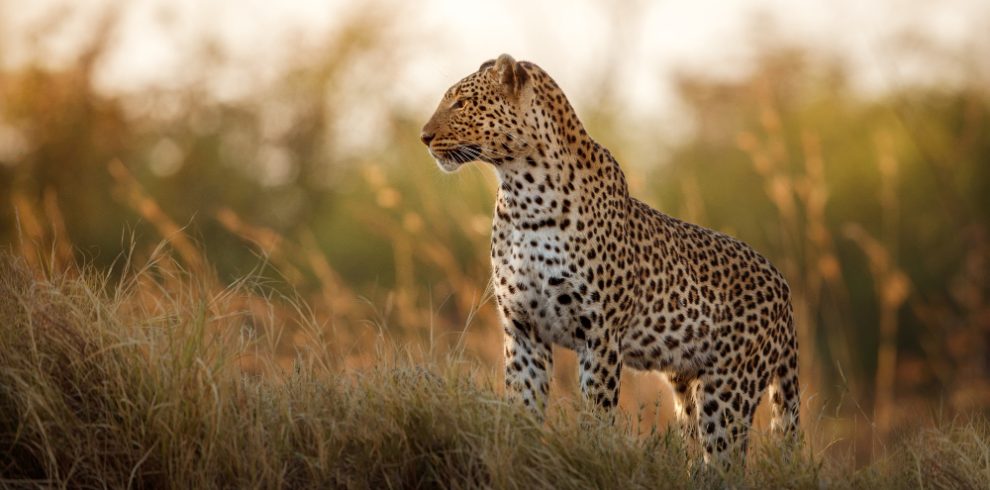
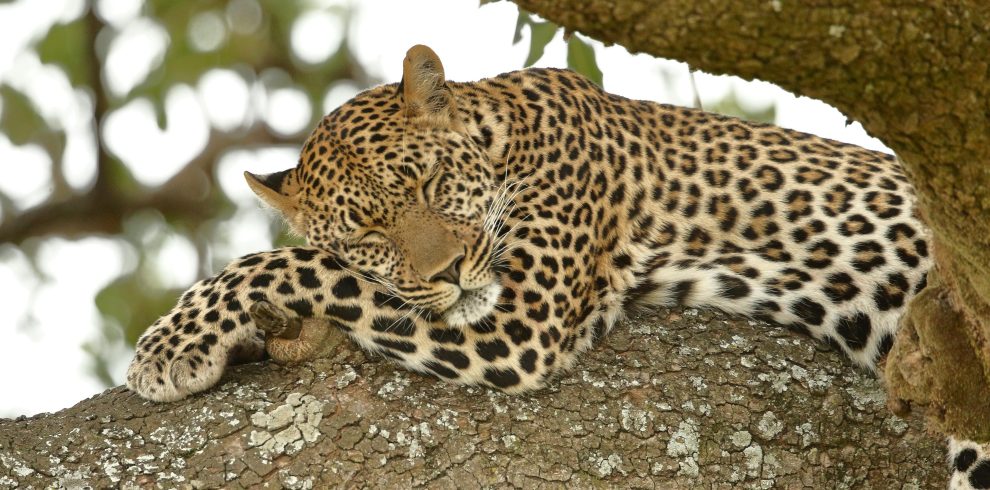
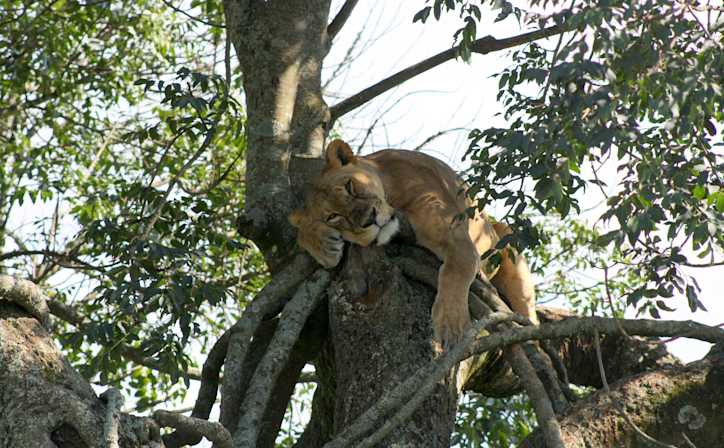
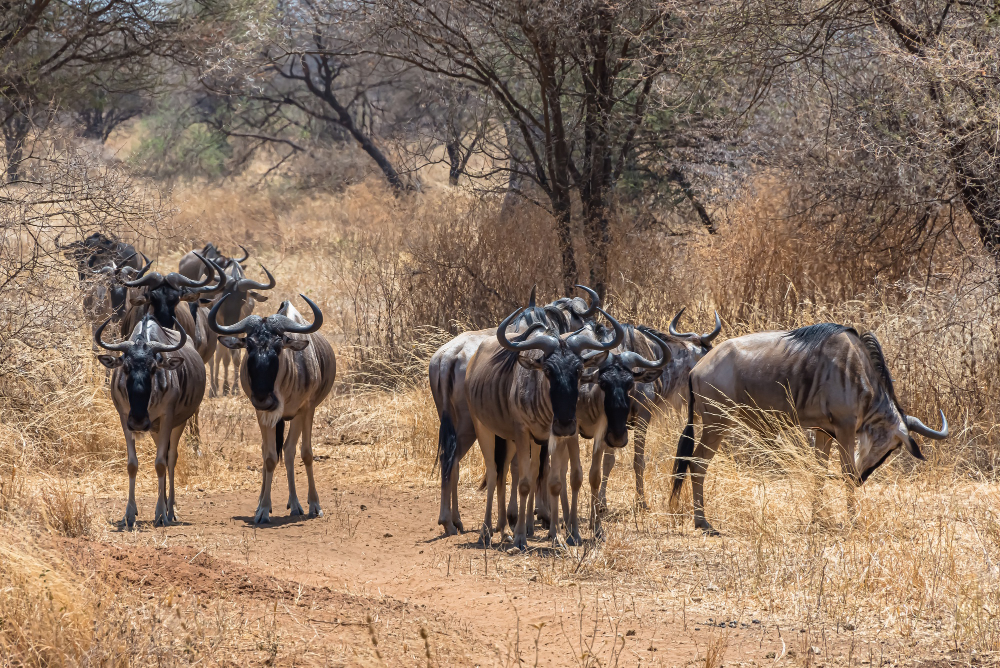
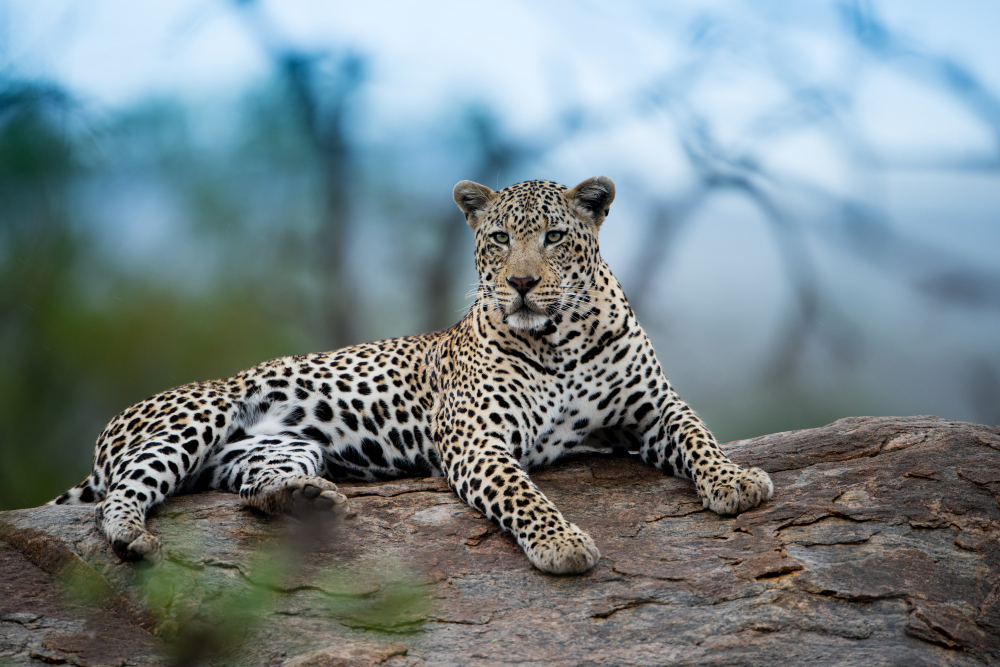
The safari culminates in the legendary Masai Mara National Reserve, often considered the crown jewel of a Kenya Safari Trip. This reserve offers some of the best wildlife viewing on the planet, thanks to its vast populations of predators and prey. Here you have a chance to witness the famed Great Migration (July–October), when millions of wildebeests and zebras traverse the Mara River in search of greener pastures. Even outside migration season, the Mara is a stage for daily drama, with prides of lions, cheetahs on the hunt, elephants roaming, and leopards lounging in acacia trees.
This itinerary is designed to balance thrilling game drives with comfort and relaxation. Each lodge and camp has been handpicked to provide not only excellent hospitality but also locations that immerse you in the heart of the wilderness. Imagine sipping your morning coffee while elephants graze nearby in Amboseli, enjoying a sundowner as flamingos shimmer across Lake Nakuru, or sitting around a campfire in the Masai Mara listening to lions roar in the distance.
Over six days, you will journey across Kenya’s most iconic landscapes—elephant country beneath Kilimanjaro, a flamingo-fringed Rift Valley lake, and the predator-rich savannah of the Mara. This variety makes the safari both immersive and rewarding, showcasing the diversity of habitats and wildlife that Kenya is known for.
At the end of your Kenya Safari Trip, you’ll carry home more than just photographs. You’ll have experienced the rhythm of the African bush, felt the excitement of close encounters with the Big Five, and gained a deeper appreciation for Kenya’s natural beauty and cultural heritage. This safari is ideal for first-time visitors to Africa, as well as seasoned travelers looking for a compact yet comprehensive adventure.
The 6-Day Amboseli, Nakuru & Masai Mara Safari is not just a journey across Kenya’s landscapes—it is a passage into the soul of Africa itself, a story you will tell for a lifetime, and a memory that will stay etched in your heart forever.
Tour Plan
Your Kenya Safari Trip begins in the vibrant capital of Nairobi, a city where modern skyscrapers meet the rhythms of Africa. In the morning, your dedicated driver-guide greets you warmly—whether from your hotel or directly at Jomo Kenyatta International Airport—and gives you an introduction to the journey ahead. With excitement building, you board your 4x4 safari vehicle and leave the city behind, trading its hustle and bustle for open skies and boundless plains.
The drive to Amboseli National Park takes about five hours, a journey that itself feels like the opening chapter of your adventure. Along the way, the landscapes begin to shift from cultivated farmlands to wide savannahs dotted with acacia trees. You pass small villages where Maasai herders, dressed in their bright red shukas, guide herds of cattle, sheep, and goats across the land. This road trip gives you your first taste of the human and cultural diversity that accompanies the wildlife spectacles on any true Kenya Safari Trip.
As you approach Amboseli, anticipation mounts. Soon, the breathtaking sight of Mount Kilimanjaro—Africa’s tallest peak—rises on the horizon. Though across the border in Tanzania, its snowcapped summit towers above Amboseli, creating a backdrop so dramatic it seems designed for postcards. Upon arrival at Kibo Safari Camp, you are welcomed with refreshing drinks and warm smiles before checking in. The camp provides en-suite tented accommodation that combines rustic charm with modern comfort, perfectly complementing the safari atmosphere.
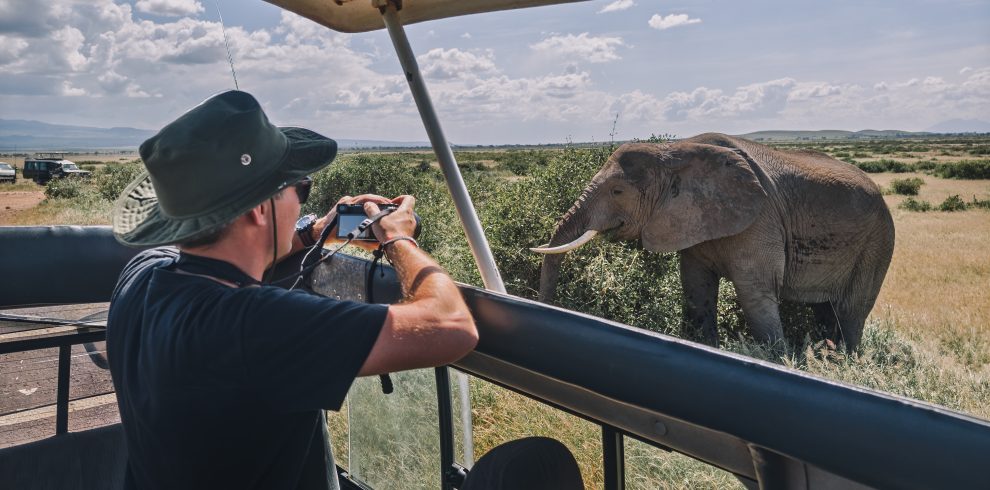
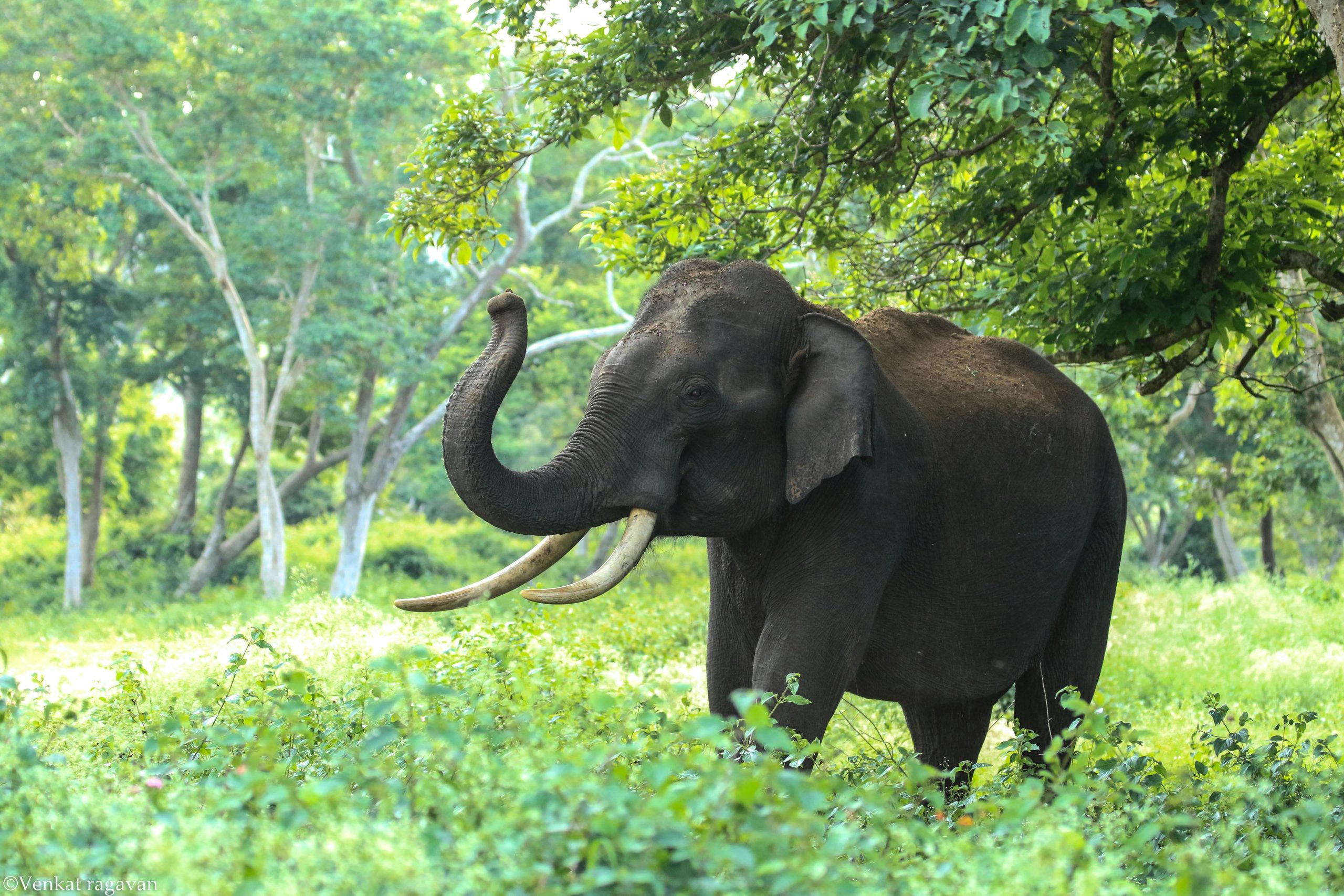
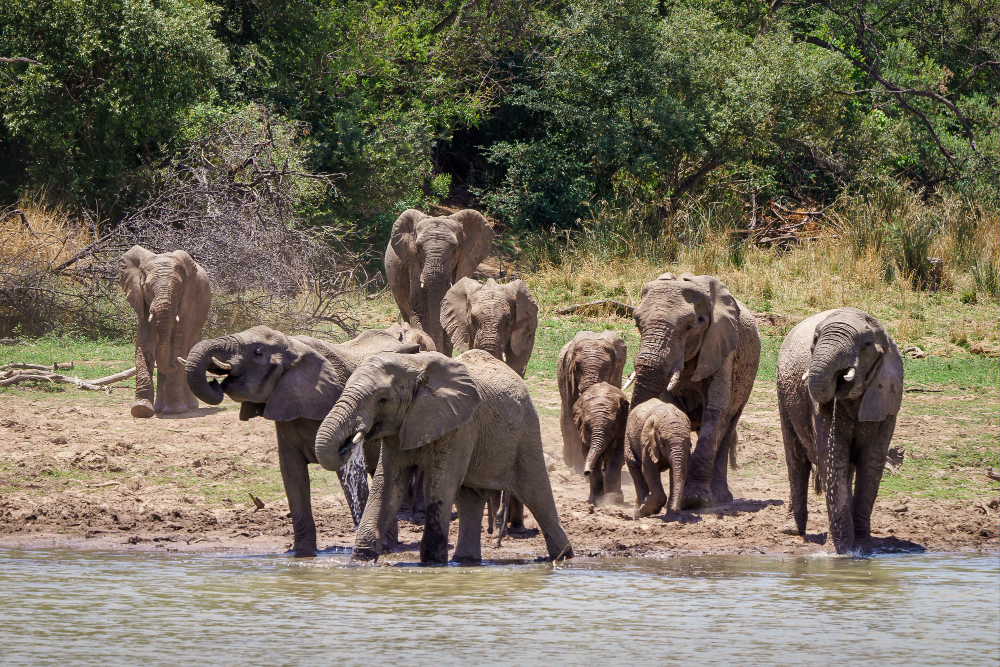
After lunch and a short rest, you set out for your first game drive inside Amboseli National Park. This is elephant country, and the herds here are legendary. You’ll likely see dozens, if not hundreds, of these gentle giants wandering in family groups across the plains. Calves playfully trumpet, while matriarchs lead the way with quiet authority. Elephants feeding in swamps, with Kilimanjaro towering in the background, create some of the most iconic scenes of a Kenya Safari Trip.
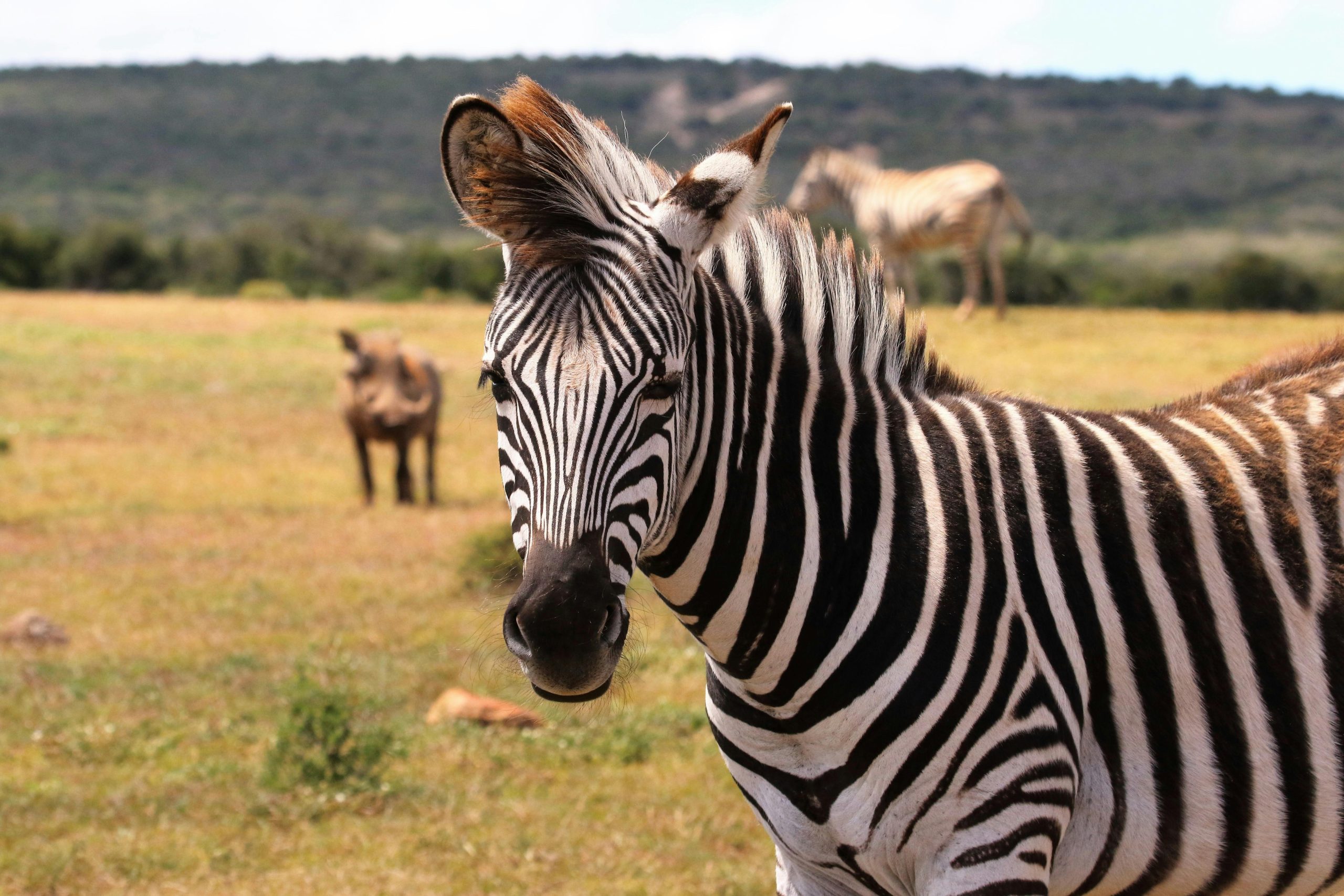
Beyond elephants, Amboseli’s open terrain provides opportunities to spot lions, cheetahs, hyenas, buffaloes, and giraffes. Herds of wildebeests and zebras graze peacefully, while warthogs scurry comically with their tails held high. Birdlife is equally abundant, with more than 400 species recorded, from striking fish eagles to delicate lilac-breasted rollers.
As the sun begins to dip, the park transforms into a golden wonderland. Kilimanjaro glows pink in the fading light, and the silhouettes of giraffes and elephants are etched against the sky. This magical scene becomes your first sunset on safari, a memory that will stay etched in your mind forever.
Back at Kibo Safari Camp, dinner is served under the stars, accompanied by the distant calls of the wild. Around the campfire, fellow travelers share their excitement, while the crackle of the flames adds warmth to the cool night. As you retire to your tent, the night sounds of Africa surround you—the roar of a lion far away, the laugh of a hyena, and the chorus of insects. Your Kenya Safari Trip has officially begun, and the promise of more wonders lies ahead.
The second day of your Kenya Safari Trip starts at dawn, with the gentle calls of birds waking you. After a quick cup of tea or coffee, you head out into the park just as the sun begins to rise. Morning is one of the best times for wildlife viewing, as animals are most active before the heat of the day. If the skies are clear, you’ll see Mount Kilimanjaro in its full glory, its snowcapped peak gleaming in the early light.
Your guide drives you toward Amboseli’s swamps, which are fed by underground rivers from Kilimanjaro. These oases of green attract all manner of wildlife, making them hotspots for game viewing. Herds of elephants splash joyfully in the water, cooling themselves in the morning sun. Buffaloes graze nearby, and hippos submerge themselves in the swampy pools. Predators often lurk around these areas too—lions waiting in the grasses, or hyenas skulking at a distance.
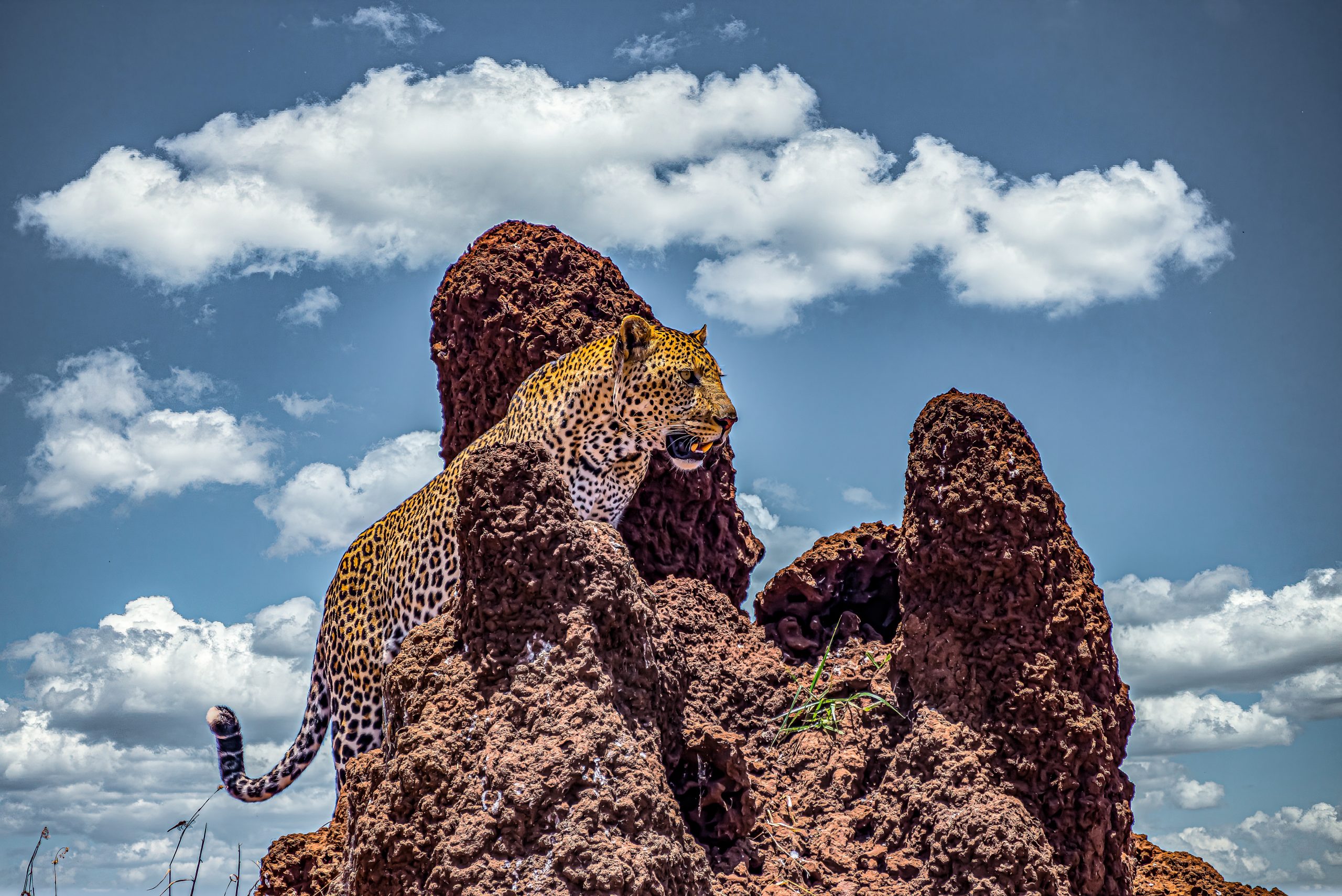
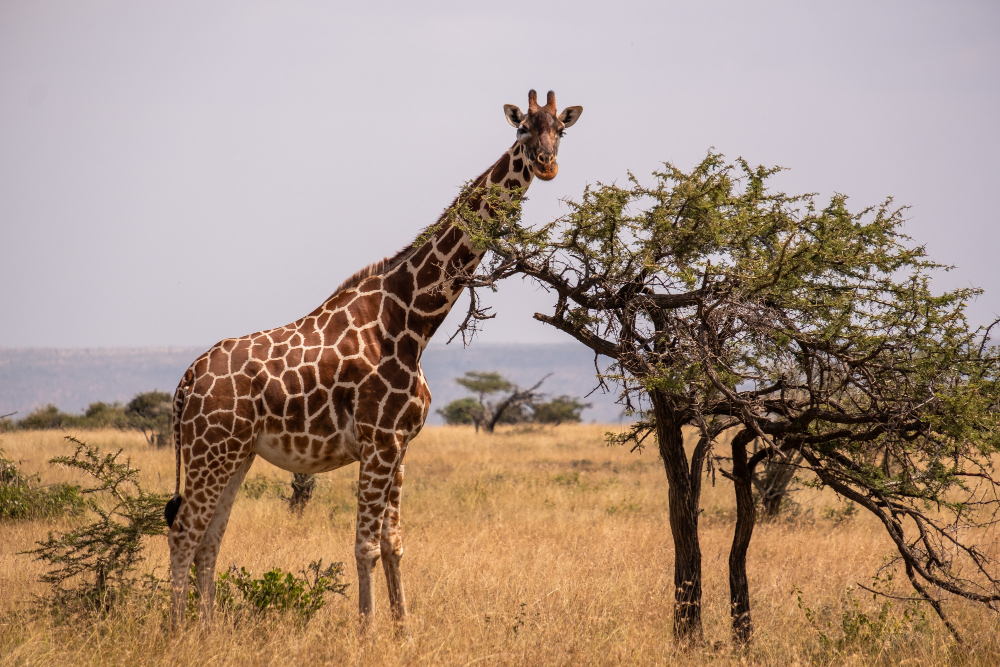
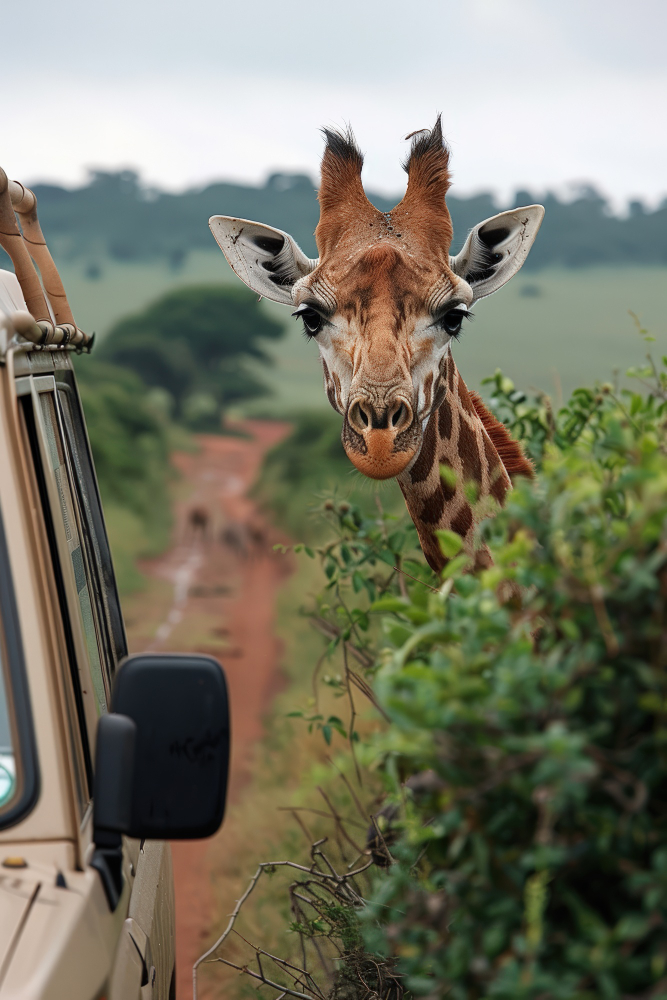
As you traverse the park, your guide helps track other fascinating creatures. Cheetahs, sleek and fast, are often spotted on termite mounds scanning for prey. Giraffes wander elegantly among the acacias, while zebras, wildebeests, and gazelles form great herds across the plains. Bird enthusiasts are spoiled here; Amboseli boasts flamingos in its seasonal lakes, crowned cranes in the marshes, and majestic raptors soaring overhead.
By mid-morning, you pause for a picnic breakfast in a scenic spot, savoring both the food and the view. The vastness of Amboseli stretches endlessly before you, reminding you of the raw beauty that defines a Kenya Safari Trip. Afterward, you continue exploring until returning to camp for lunch and a short rest.
In the late afternoon, you set off once more. The changing light transforms the landscape, and the wildlife behaves differently from the morning. Elephants are often seen returning to the swamps, while predators prepare for their nightly hunts. You might catch sight of a jackal trotting along the road, or even the rare African wildcat darting into the underbrush.
As the day ends, you climb to Observation Hill, a popular spot offering panoramic views of Amboseli. From here, you watch the sun dip below the horizon, casting a golden glow over the plains and the swamps. Herds of elephants, zebras, and wildebeests move like shadows across the land, while Kilimanjaro fades into twilight.
Returning to Kibo Safari Camp, you enjoy another hearty dinner around the campfire. The night in Amboseli is a symphony of sounds—frogs croaking, nightjars calling, and the distant roar of a lion echoing across the plains. Day two leaves you with a deep appreciation of Amboseli’s wildlife richness and its dramatic landscapes, a core highlight of your Kenya Safari Trip.
Day three marks a transition in your Kenya Safari Trip, as you leave behind Amboseli’s elephant plains and head north to the Great Rift Valley. After an early breakfast, you check out and begin the six-hour drive to Lake Nakuru National Park. The journey takes you through diverse scenery, from dry savannahs to fertile farmlands, with views of volcanic hills and lush valleys along the way.
By midday, you arrive at The Cliff Lodge, perched on a high ridge with breathtaking views over Lake Nakuru. This boutique property combines luxury with proximity to the wild, offering a perfect balance for safari travelers. After checking in and enjoying lunch, you rest briefly before heading out for your afternoon game drive.
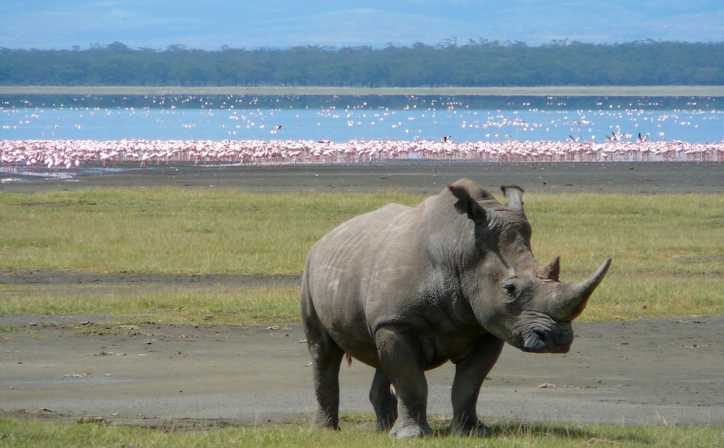
Lake Nakuru is world-renowned for its flamingos, which at times gather here in the hundreds of thousands, creating a surreal pink ribbon along the shoreline. While flamingo numbers vary with water levels, their presence remains one of the park’s iconic sights. Beyond flamingos, Nakuru is also a sanctuary for rhinos, hosting both black and white species. Seeing these endangered giants grazing or resting under the shade is one of the most moving experiences of a Kenya Safari Trip.
The park’s diversity extends far beyond flamingos and rhinos. You may spot lions lounging in the grass, leopards stealthily moving through the trees, or buffaloes grazing by the lake. Waterbucks and impalas dot the landscape, while baboons and vervet monkeys scamper through the forested areas. With nearly 450 bird species recorded here, Nakuru is a paradise for birdwatchers.
As the afternoon progresses, you may visit viewpoints such as Baboon Cliff or Lion Hill, offering panoramic views of the lake and surrounding park. These vantage points highlight the unique beauty of the Rift Valley, where volcanic landscapes meet wildlife-rich habitats.
Returning to The Cliff, you enjoy a gourmet dinner while overlooking the shimmering waters of the lake. The tranquility of Nakuru offers a contrast to Amboseli’s dramatic plains, giving you a different but equally enriching dimension of your Kenya Safari Trip. As night falls, you retreat to your luxury tent, falling asleep to the sounds of the wild.
The fourth day of your Kenya Safari Trip takes you from Nakuru’s flamingo-fringed lake to the world-famous Masai Mara National Reserve, the crown jewel of Kenya’s safari circuit. After breakfast at The Cliff, you set out on a five-hour drive across rolling hills and wide savannahs, heading deeper into the heart of the Rift Valley. The journey itself is scenic, with glimpses of farmlands, Maasai villages, and herds of livestock along the way.
By midday, you arrive at Sarova Mara Game Camp, your base for exploring the Mara. Nestled in a prime location within the reserve, the camp combines modern comfort with authentic safari ambiance. After check-in and lunch, you relax briefly before heading out for your first Mara game drive in the afternoon.
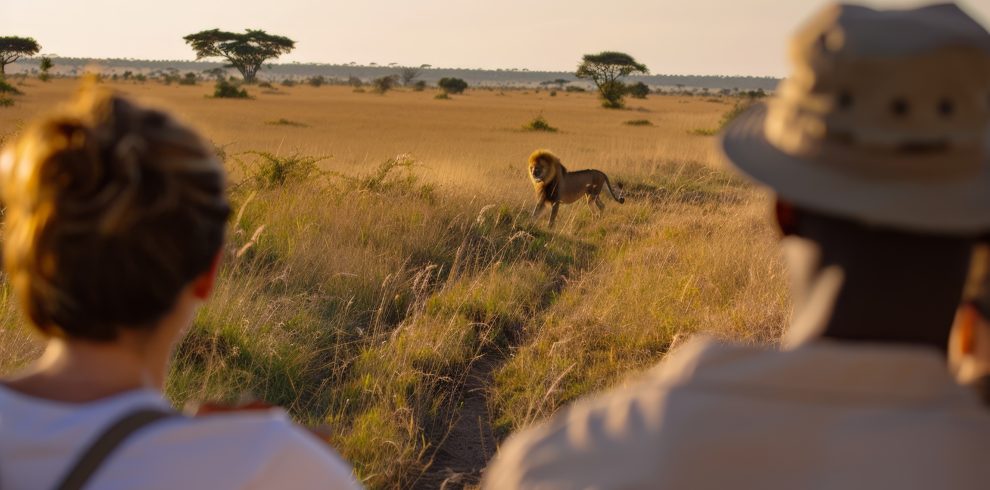
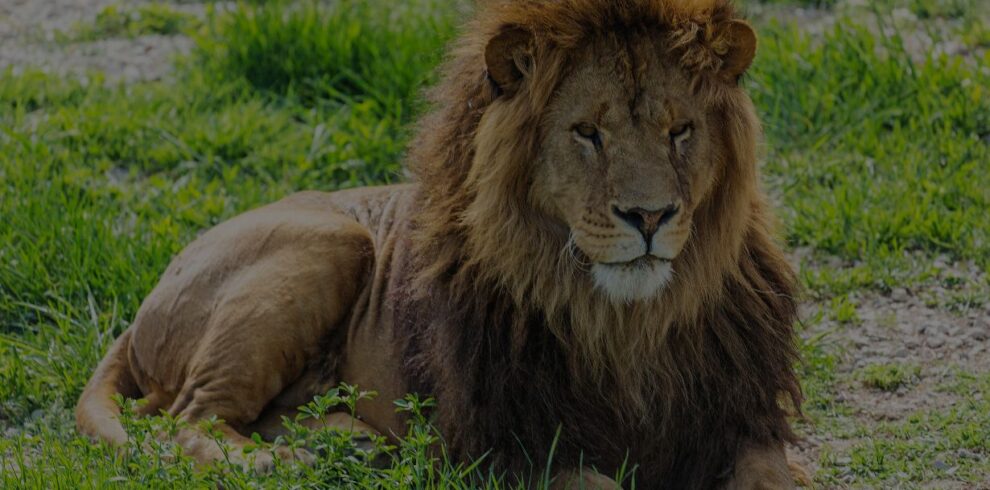
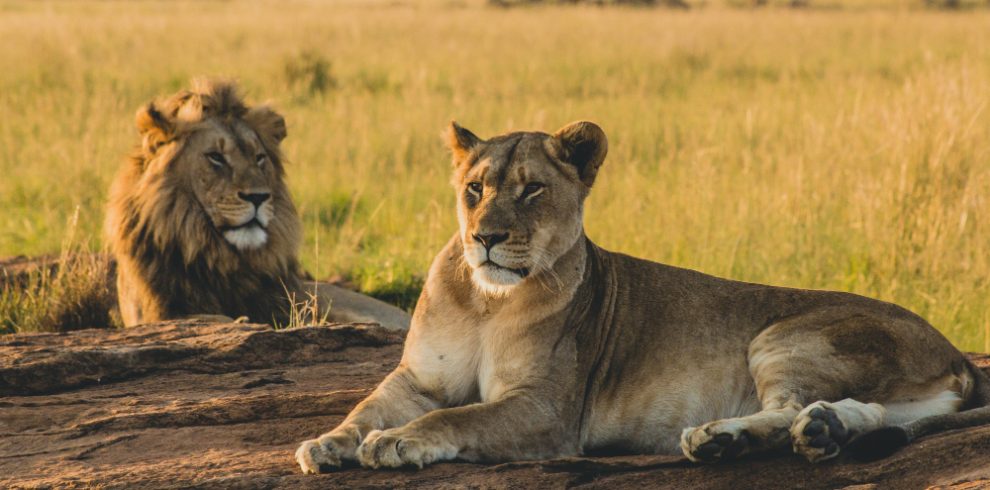
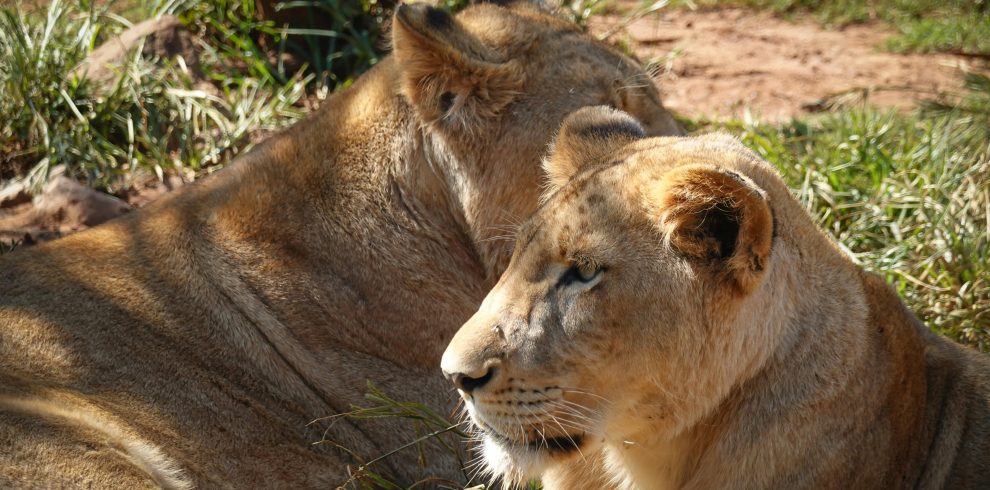
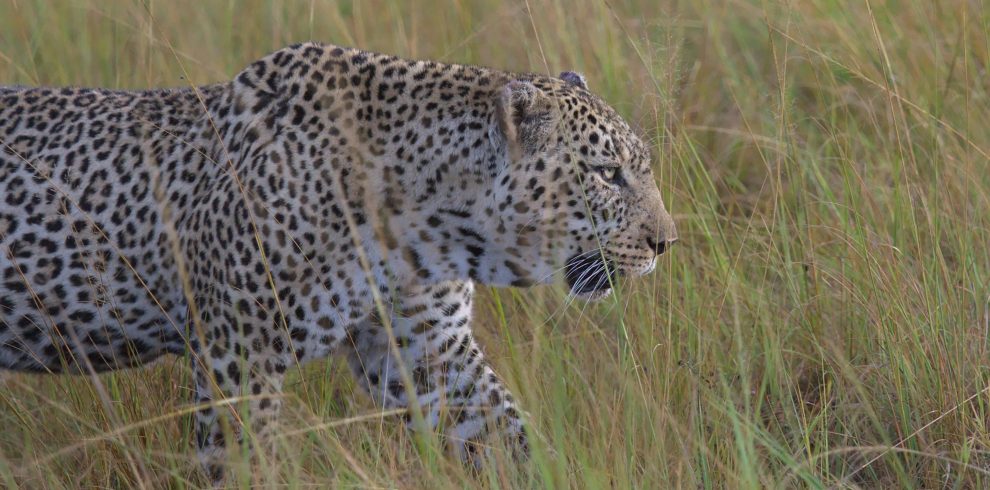
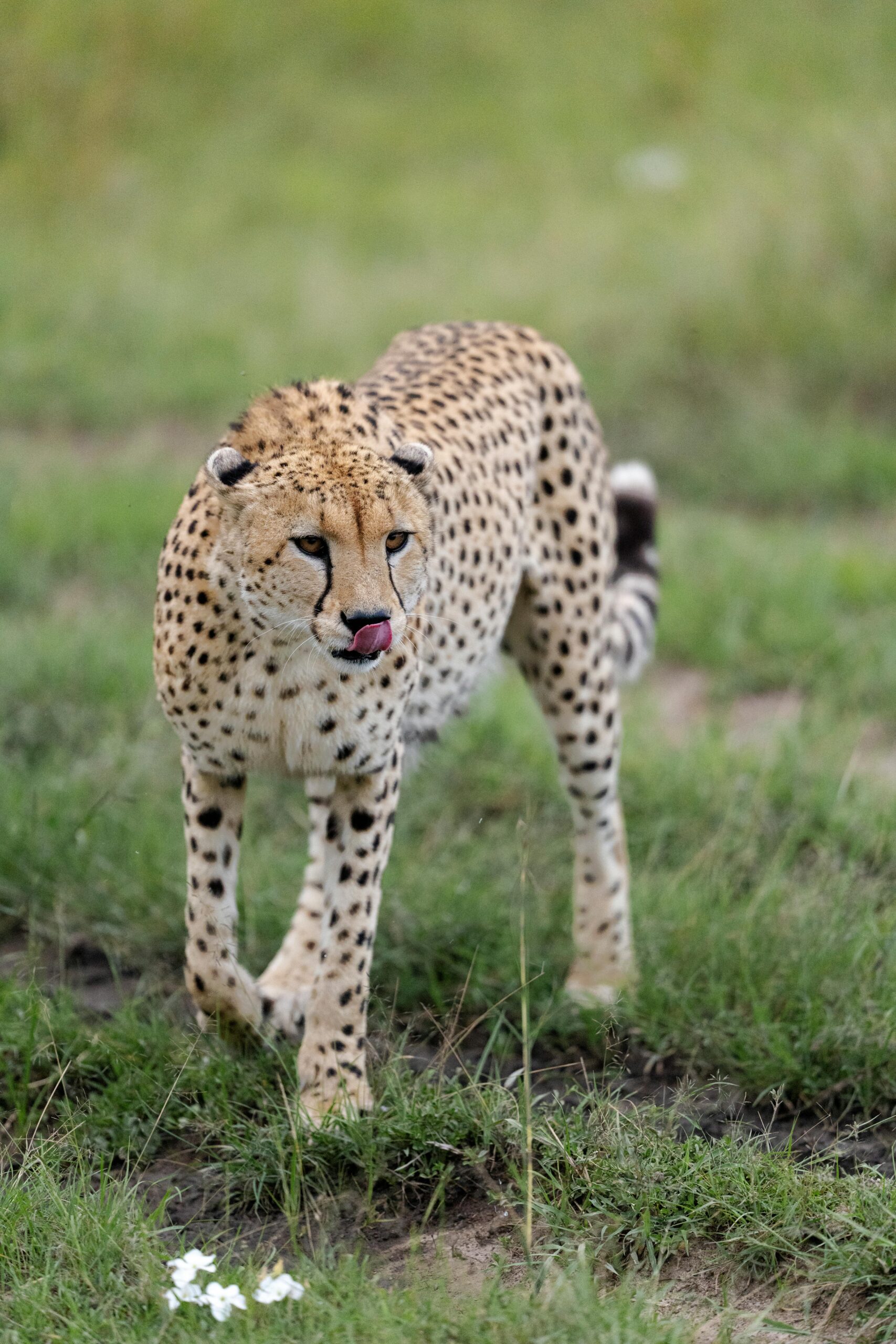
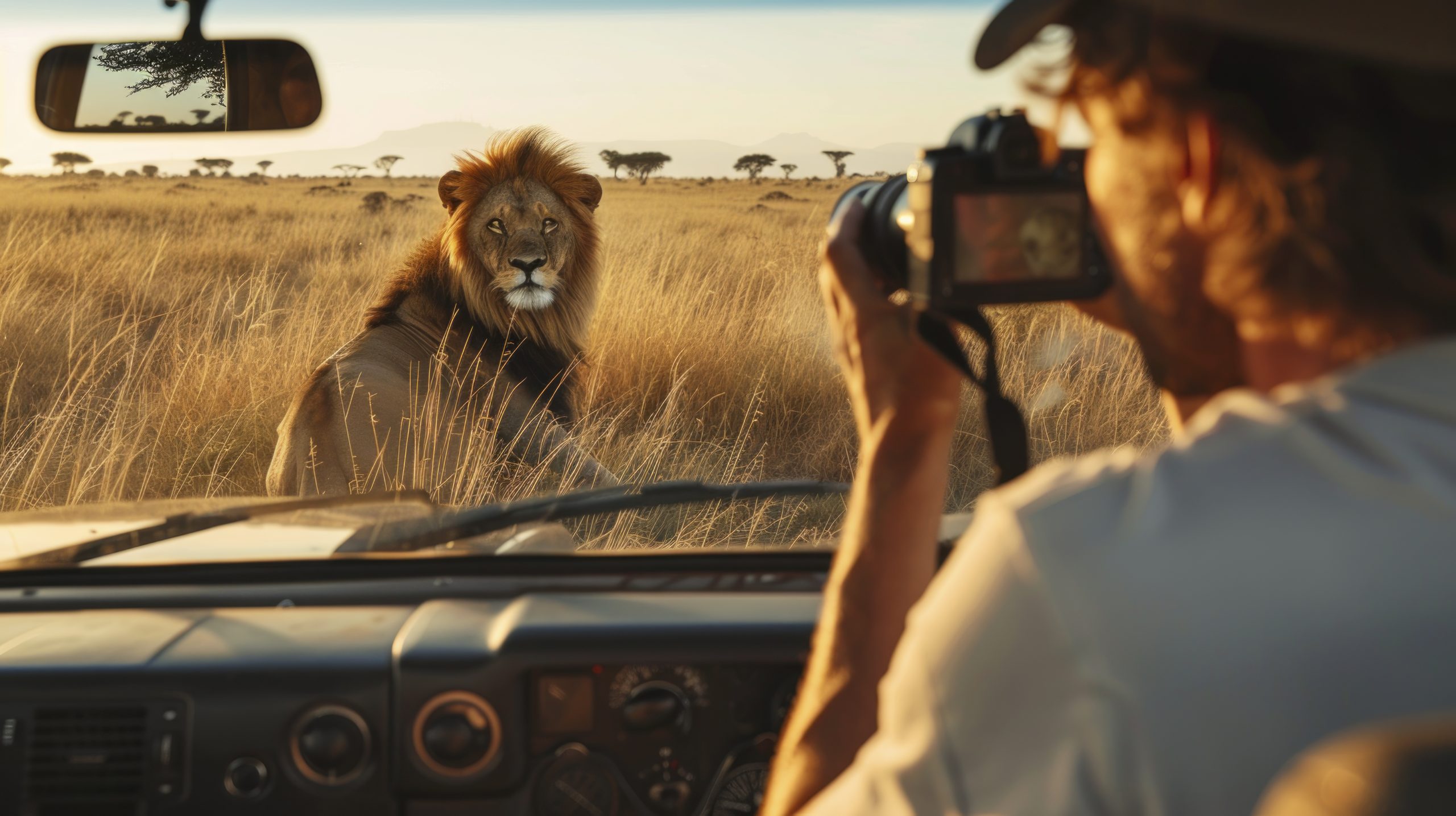
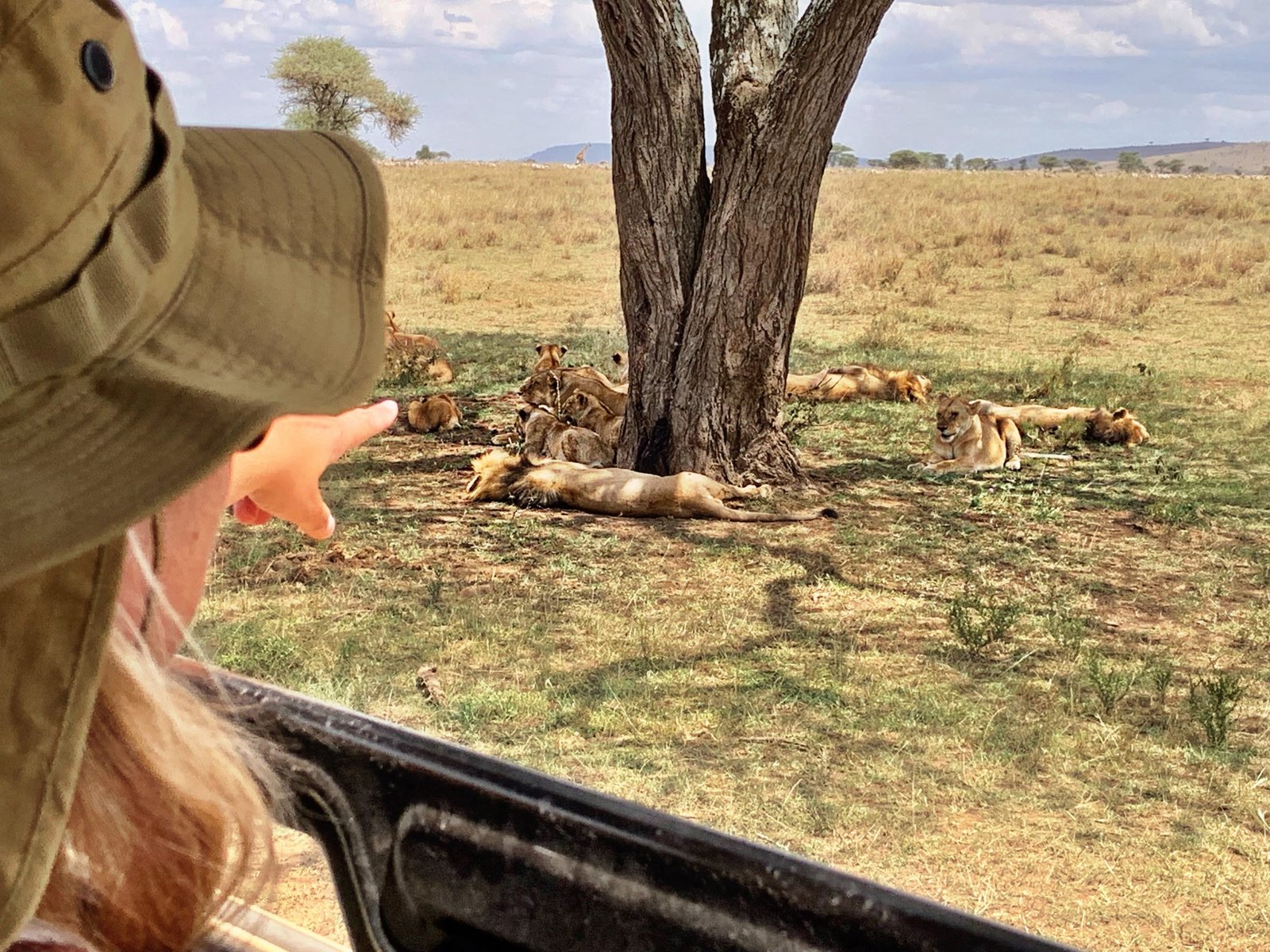
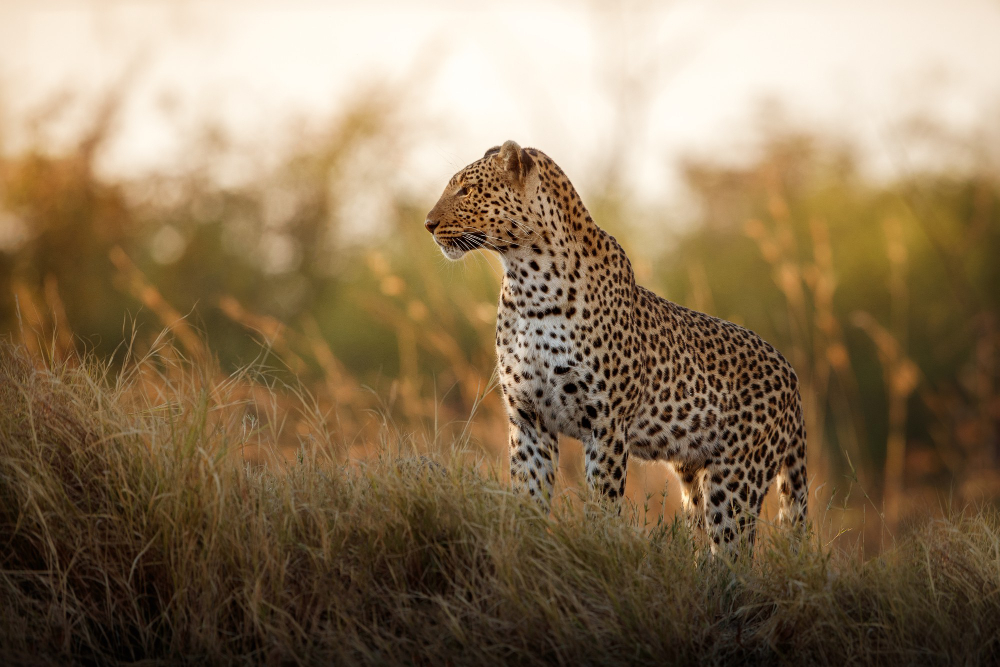
From the moment you enter the reserve, the sheer abundance of wildlife is staggering. Lions are perhaps the Mara’s most famous residents, often seen in prides lounging under acacias or stalking prey. Cheetahs, sleek and powerful, may be spotted on termite mounds scanning the plains. Elephants roam gracefully across the savannah, while giraffes stretch high into the trees. Buffalo herds move in formidable groups, and if luck is on your side, you might even spot a leopard draped elegantly over a tree branch.
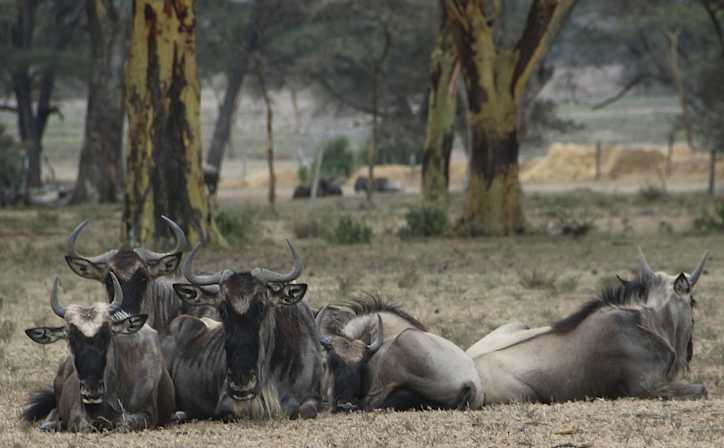
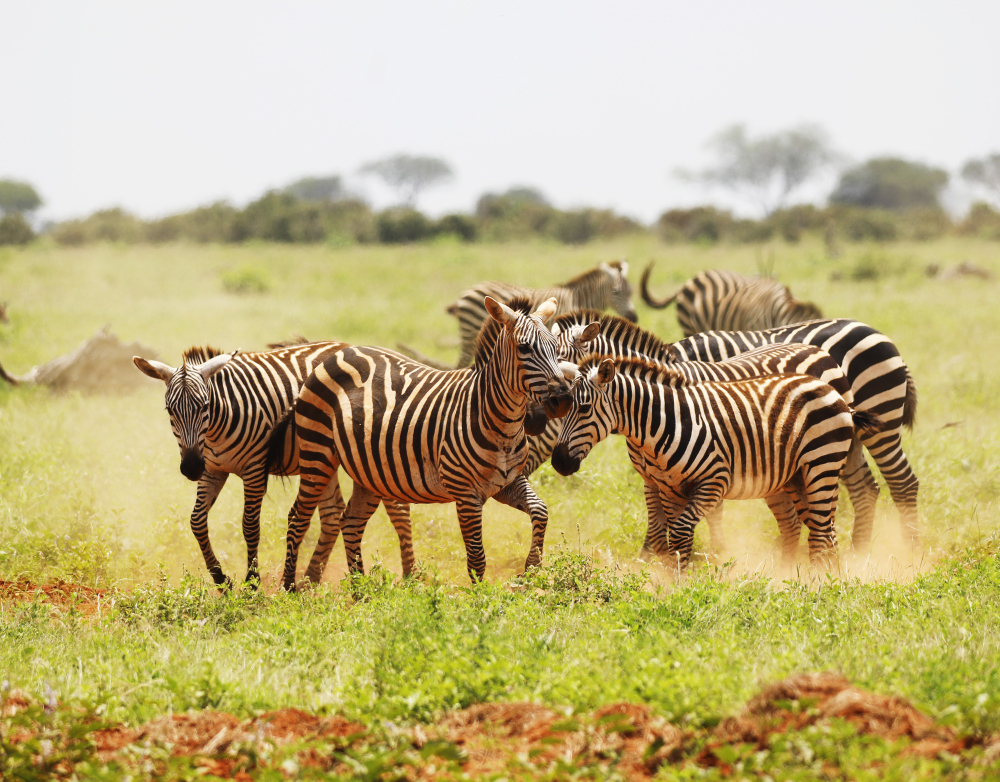
The Masai Mara is also renowned for the Great Migration (July to October), when millions of wildebeests and zebras cross from the Serengeti into the Mara in search of fresh grazing. Even outside migration season, the Mara remains a stage for predator-prey interactions and daily wildlife drama, making it a highlight of any Kenya Safari Trip.
As the afternoon drive continues, you may follow the banks of the Mara River, where crocodiles bask in the sun and hippos wallow in the water. The golden light of evening transforms the landscape into a living painting, with acacia silhouettes standing tall against the fiery sky.
Returning to Sarova Mara Game Camp, you enjoy dinner under the stars. The campfire glows warmly, Maasai warriors share stories of their traditions, and the sounds of lions and hyenas echo across the night. This is the heartbeat of the Mara, and by the end of the day, you will understand why it is considered one of the greatest safari destinations on earth.
Day four is the moment your Kenya Safari Trip shifts gears into high drama. You’ve left behind Amboseli’s elephants and Nakuru’s flamingos, stepping into a world where lions rule, cheetahs sprint, and the cycle of life plays out before your eyes.
Your fifth day of this Kenya Safari Trip is entirely devoted to exploring the legendary Masai Mara National Reserve, a destination that represents the very essence of an African safari. At dawn, you wake to the sounds of the bush: the distant roar of lions, the calls of hornbills, and the soft breeze rustling the acacias. After a hearty breakfast, you set out with a packed lunch for a full-day adventure deep into the reserve.
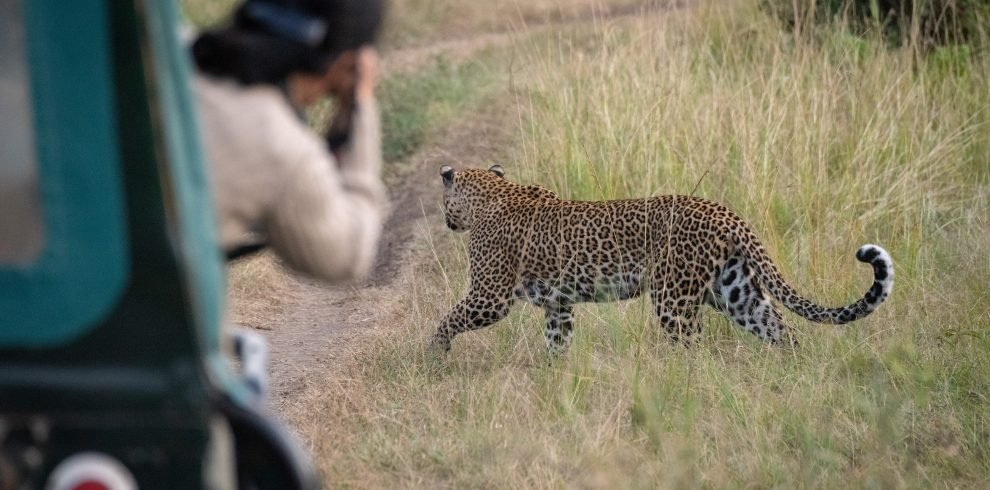
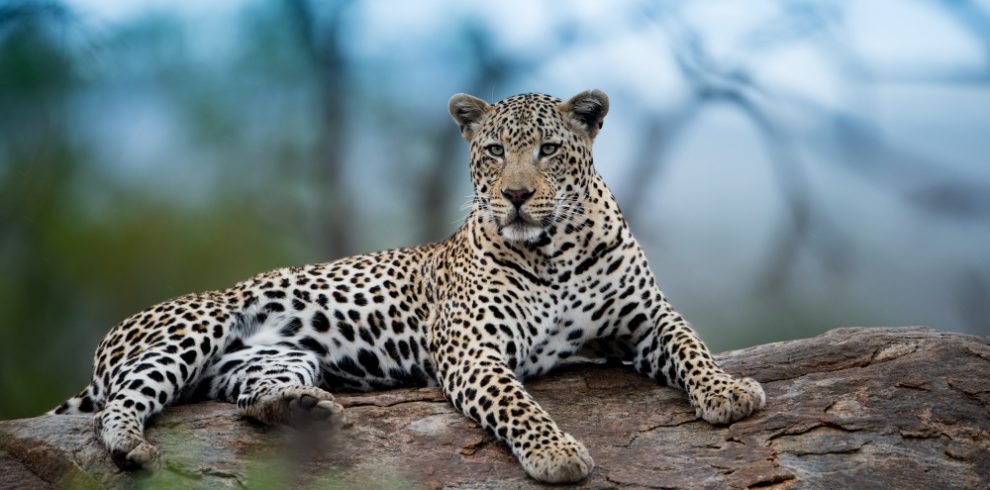
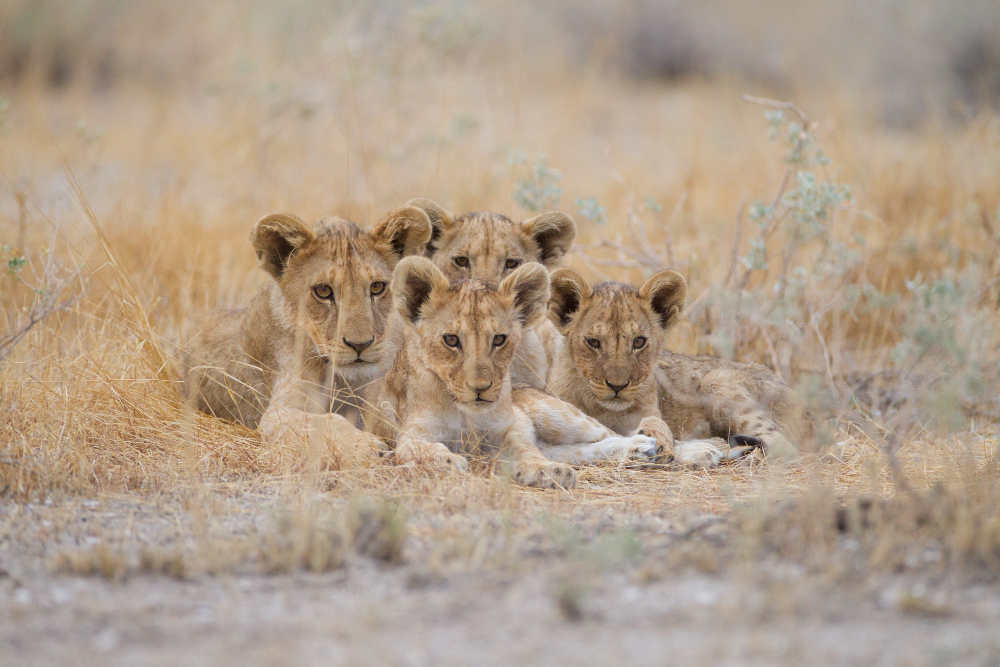
The Mara’s vast plains are alive with wildlife at sunrise. This is the best time to witness predators on the move, returning from their nightly hunts or preparing for another day of survival. You may see a pride of lions finishing a meal, their cubs playfully tumbling around as adults rest in the shade. Cheetahs, sleek and graceful, may already be scanning the horizon for gazelles. If fortune smiles, you might encounter the elusive leopard, draped elegantly on a tree branch, watching silently from above.
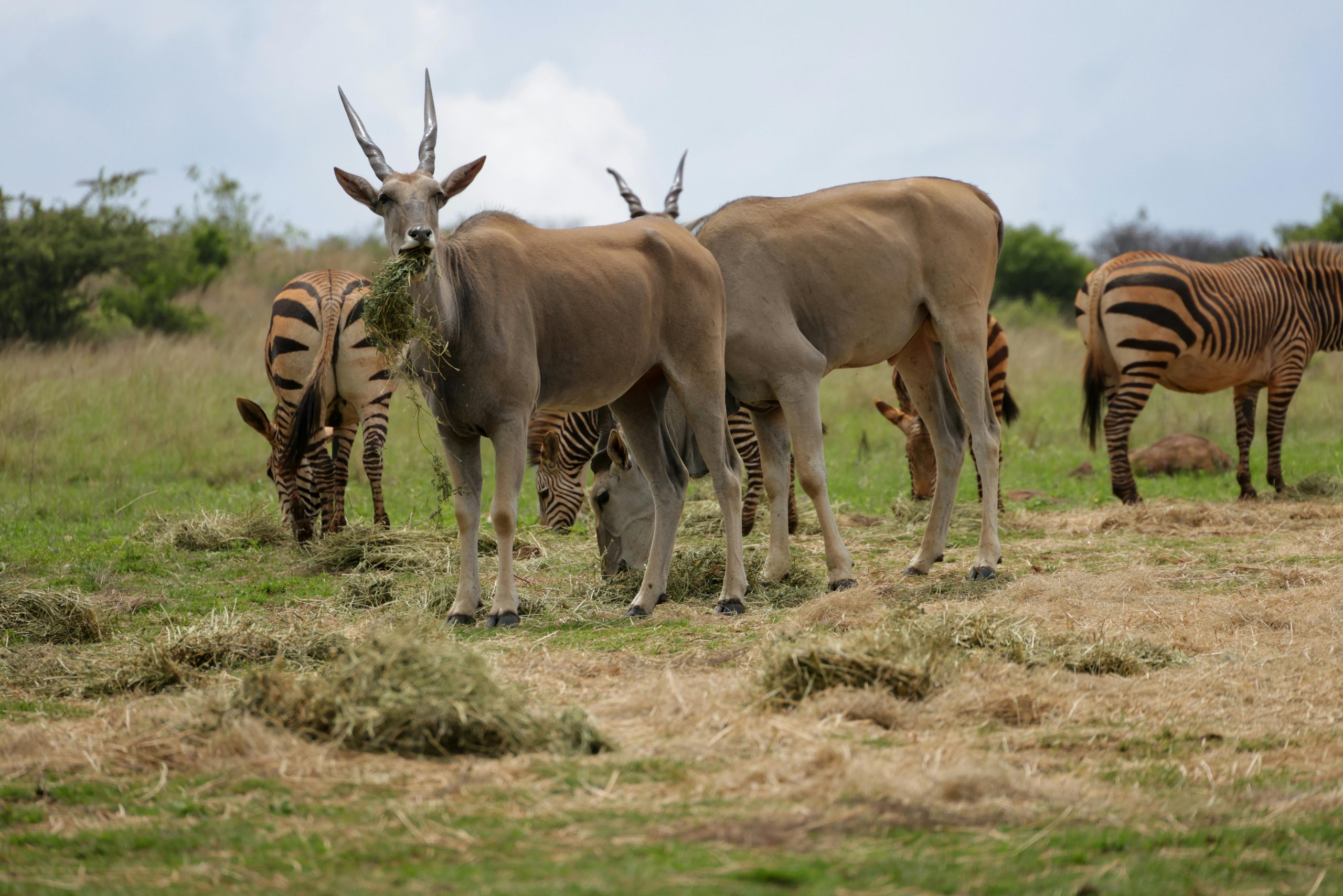
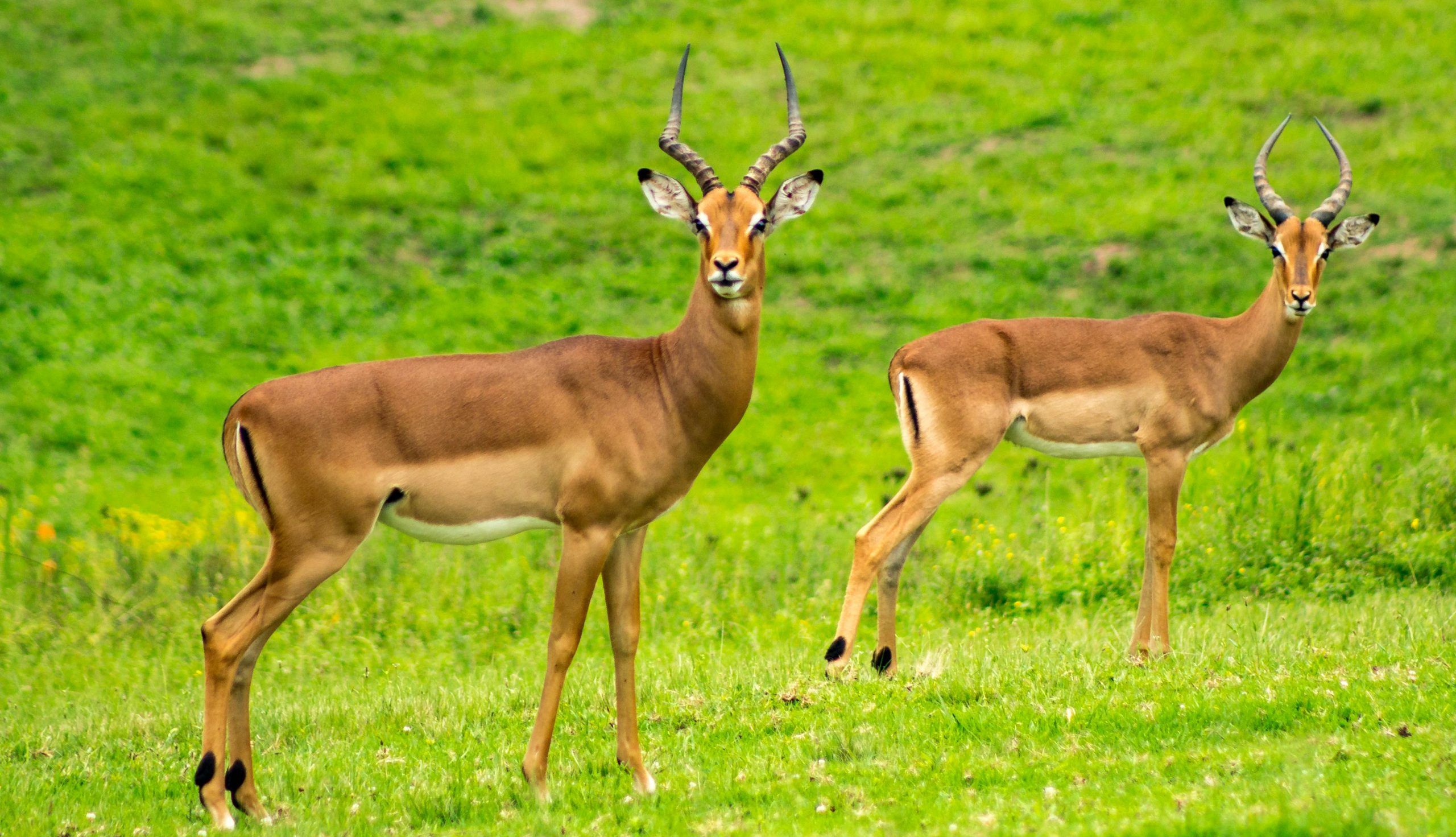
The Masai Mara is not only about predators. Massive herds of elephants roam across the grasslands, nurturing their young and foraging among the shrubs. Buffaloes move in tight groups, ever watchful, while giraffes walk gracefully, silhouetted against the rolling horizon. Antelope species of all kinds dot the plains: impalas with their elegant leaps, topis standing sentinel on termite mounds, and elands, the largest of Africa’s antelopes.
If your safari coincides with the Great Migration (July to October), today will be even more dramatic. Millions of wildebeests, zebras, and gazelles thunder across the plains in one of nature’s most spectacular spectacles. The river crossings are the climax—chaotic, dangerous, and unforgettable—as animals plunge into crocodile-infested waters while predators wait on the other side. Witnessing this is one of the highlights of any Kenya Safari Trip and often described as the “greatest wildlife show on Earth.”
Around midday, you pause for a picnic lunch under the shade of an acacia tree or by the river. The serenity of the savannah surrounds you, broken only by the distant calls of animals and the rustle of wind in the grass. There is something profoundly humbling about dining in the middle of one of the world’s richest ecosystems, where life and survival are constantly in motion.
The afternoon drive brings new opportunities. Hippos wallow noisily in pools, crocodiles bask lazily on riverbanks, and hyenas scavenge across the grasslands. Vultures circle overhead, waiting patiently for their turn at the cycle of life. As the sun dips low, the Mara becomes a canvas of gold and crimson, with acacia silhouettes creating timeless African scenes.
Back at Sarova Mara Game Camp, you return for dinner and perhaps an optional Maasai cultural experience. Warriors in vibrant attire perform traditional dances, their rhythmic chants echoing through the night. It’s a reminder that this landscape is not only about wildlife but also about people who have lived in harmony with nature for centuries.
Day five leaves you with an indelible impression: the Masai Mara is not just a park, it is a living, breathing theater of life. Every turn, every drive, and every moment here deepens the story of your Kenya Safari Trip.
Your final day begins with one last chance to experience the Mara’s magic. At sunrise, you embark on an early morning game drive. The light is soft and golden, the air cool and crisp, and the animals are at their most active. You may witness predators stalking the last hunt of the night, antelopes grazing peacefully, or elephants walking gracefully across the plains with their silhouettes against the rising sun. This brief but powerful drive often feels like a summary of the entire Mara experience, offering a perfect closing chapter to your safari.
After breakfast at Sarova Mara Game Camp, you check out and begin the five to six-hour journey back to Nairobi. The road winds through farmlands, bustling market towns, and stretches of the Great Rift Valley, where you may pause for panoramic views and photos. The drive offers time for reflection—revisiting in your mind the elephants of Amboseli, the flamingos of Nakuru, and the predator-rich plains of the Mara.
By late afternoon, you arrive in Nairobi. Depending on your travel plans, your guide will drop you at your hotel for an overnight stay, or at Jomo Kenyatta International Airport for your flight home. Alternatively, you may opt for a Nairobi city tour (at extra cost), visiting highlights like the Giraffe Centre, David Sheldrick Wildlife Trust, or Karen Blixen Museum.
As your Kenya Safari Trip concludes, the memories remain vivid: elephants with Kilimanjaro as their backdrop, rhinos grazing by Lake Nakuru, lions roaring across the Mara, and the countless smaller moments of beauty and wonder. These six days have been a journey not only through Kenya’s landscapes but into its very soul.
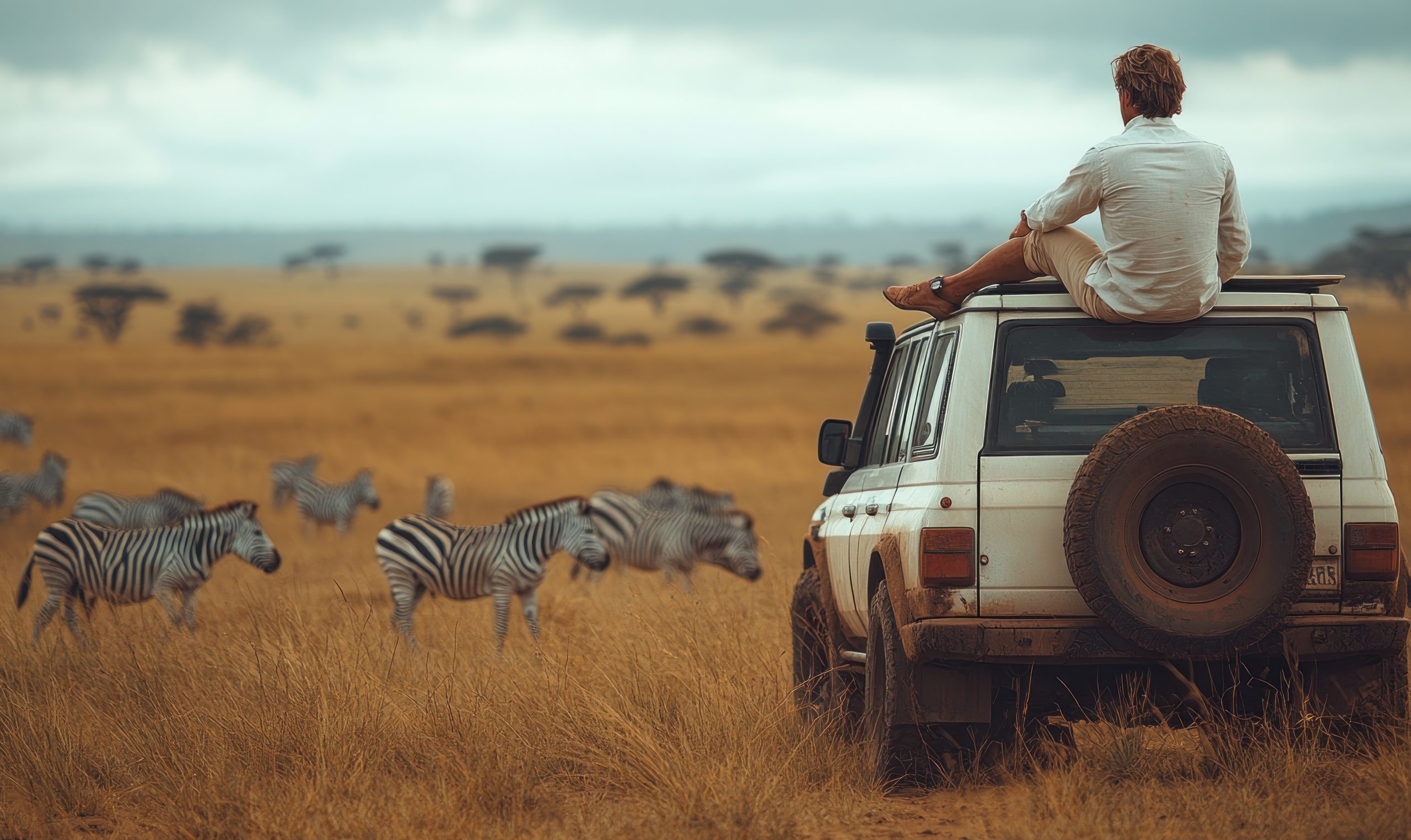
This safari has shown you the diversity that makes Kenya a world-class destination—open plains, Rift Valley lakes, and predator-rich savannahs. It has immersed you in the rhythm of the wild, where each day brings surprises and every sighting deepens your connection to nature. Most importantly, it has given you a story you will carry forever: your own Kenya Safari Trip, a once-in-a-lifetime adventure through one of Africa’s most iconic safari circuits.