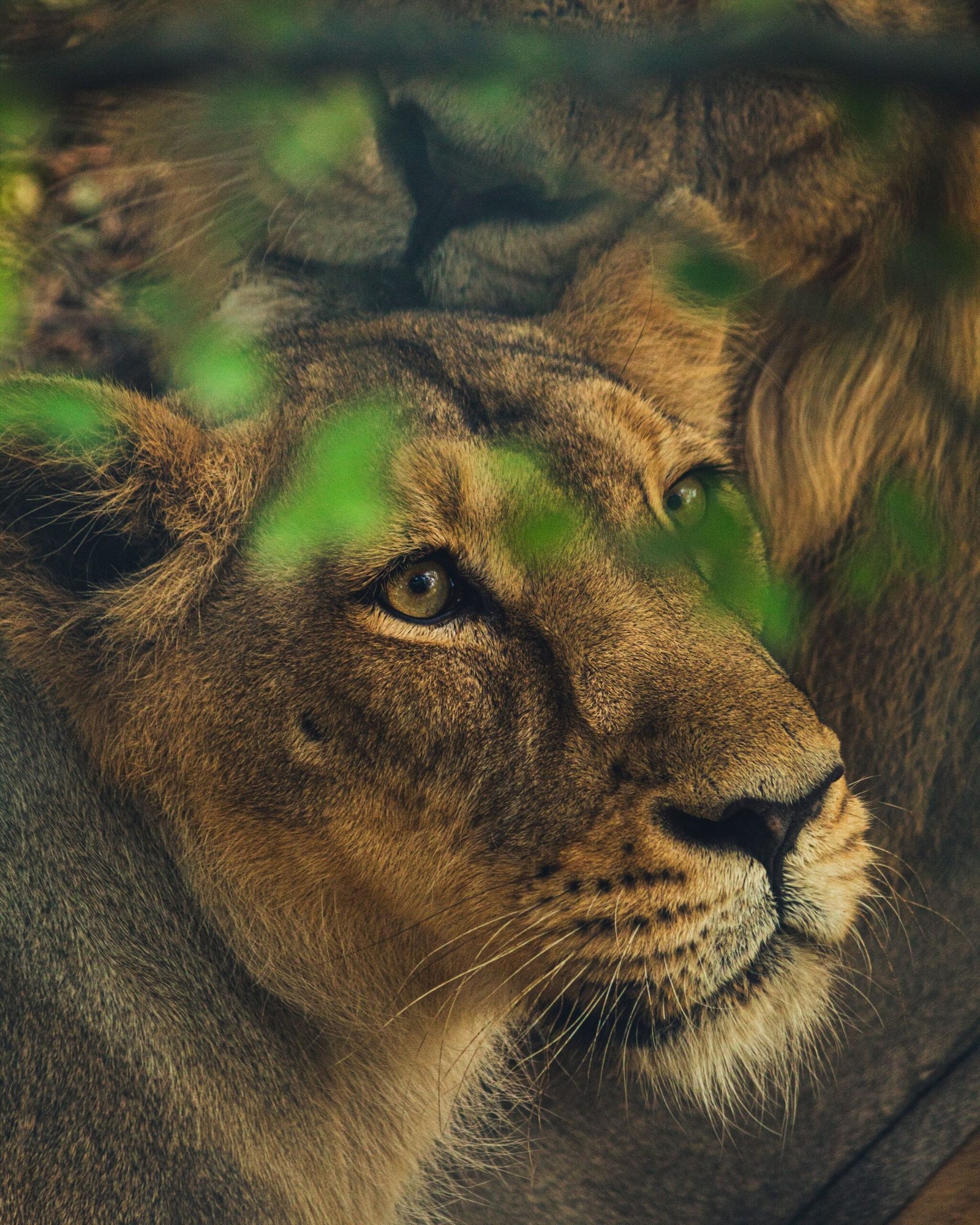
10 Amazing Facts About Lions You Probably Didn’t Know
Lions are some of the most amazing animals in the world. They are known for their strength, courage, and beautiful golden fur. Many people call the lion the king of the jungle, even though most lions live in grasslands and open woodlands rather than thick jungles. These powerful animals are found mainly in parts of Africa, while a small group of wild lions lives in India. Lions are large cats, just like tigers, leopards, and cheetahs. However, they have many special features that make them different from other cats.
Lions live in groups called prides. They spend much of their time resting, but they can become very active when hunting or protecting their families. Their loud roars can travel over long distances, helping them communicate with other lions. Male lions usually have thick manes around their heads and necks, while female lions do not. Each lion has its own role in the pride, and the animals depend on one another to survive.
Although lions are famous around the world, there is still a lot to learn about them. For example, did you know that lions can sleep for many hours in a single day? Have you ever wondered why male lions have manes or how lion cubs learn to hunt? These are just a few of the interesting things that make lions special.
Learning about lions helps us understand how animals live, find food, raise their young, and protect themselves in the wild. It also reminds us why protecting wildlife is important. Lions face many dangers, including the loss of their homes and conflicts with people. By learning more about these amazing animals, we can better understand their needs and the importance of keeping them safe.
In this article, we will explore ten amazing facts about lions that you may not have known before. Each fact will help you discover something new about their bodies, behavior, families, and daily lives.
1. Lions Are the Only Big Cats That Usually Live in Family Groups
One of the most interesting facts about lions is that they usually live in groups instead of spending their lives alone. These groups are called prides. A pride may contain several adult females, their cubs, and one or more adult males. The number of lions in a pride can change depending on the amount of food and space available. Some prides are small, while others have many members.
Lions are different from most other big cats because they have strong social connections. For example, tigers and leopards usually live and hunt alone, except when they are raising young or meeting to mate. Lions, on the other hand, often rest together, care for their young, and protect the area where they live. Living in a group can help them face dangers that would be harder to handle alone.
Female lions often stay with the pride where they were born. They may grow up beside their sisters, mothers, and other female relatives. These family ties can last for many years. The females may even give birth around similar times, allowing them to help care for one another’s cubs. This can be useful when a mother needs to leave her cubs for a short time.
Male lions have a different experience. When young males become older, they usually leave their birth pride. They may travel with their brothers or other young males while searching for a group of their own. Life outside a pride can be difficult because these young lions must find food, avoid danger, and compete with other males.
A pride is not always peaceful. Lions may fight over food, territory, or their place in the group. Still, family bonds are an important part of their lives. They often rub their heads together, lick one another, and rest close to each other.
The amazing lesson is that lions do not depend only on their strength. Their relationships also help them survive. By living together, sharing duties, and protecting their young, lions show that teamwork can be just as important as being powerful.
2. A Lion’s Roar Can Be Heard From Far Away
A lion’s roar is one of the most famous sounds in the animal kingdom. It is deep, powerful, and loud enough to travel across large areas of open land. In the right conditions, a lion’s roar can be heard from about five miles, or eight kilometres, away. Imagine standing far across a wide grassland and hearing a sound that tells you a lion is somewhere nearby!
Lions do not roar just to frighten other animals. Their roars have several important purposes. One purpose is communication. Lions may roar to help members of their pride know where they are. This is especially useful when the animals are spread out across a large area. Instead of walking around searching for one another, they can use sound to share information.
Another reason lions roar is to protect their territory. A territory is an area where an animal or group lives, hunts, and finds shelter. When lions hear unfamiliar roars, they may understand that another pride or a group of male lions is nearby. Roaring can warn these visitors that the area is already occupied. Sometimes, the sound may help prevent a fight because the other lions decide to stay away.
Both male and female lions can roar. Many people think that only male lions make this sound because males have large manes and look more powerful. However, lionesses also roar to communicate with their pride members and defend their space. Their voices may sound different, but they are still strong and easy to recognize.
Lions often roar more during the evening, at night, and around dawn. These are times when they tend to be more active. The sound may begin with a few low noises before becoming a series of loud roars. Afterward, a lion may make shorter grunts.
A roar is useful, but it does not mean a lion is always ready to attack. Sometimes, it is simply sending a message to other lions. In this way, a roar works almost like a very loud announcement across the grasslands.
The next time you hear a lion roar in a wildlife film, remember that the sound is more than noise. It is one of the ways these animals communicate, defend their homes, and keep in touch with their families.
3. Lions Spend Most of Their Day Resting
Lions are known for their strength and hunting skills, but there is something surprising about their daily lives: they spend much of their time resting. A lion may rest or sleep for around 16 to 20 hours in a day, although the amount can change with the weather, age, activity, and availability of food. This means that a lion can spend most of the day lying in the shade rather than running around.
At first, this might make lions seem lazy. However, resting is an important part of their survival. Hunting large animals requires a great deal of energy. A lion may need to stalk its prey quietly, move quickly at the right moment, and use its powerful muscles to bring the animal down. After such hard work, it needs time to recover.
The African grasslands can also become very hot during the day. Resting under a tree, beside bushes, or in another shaded place helps lions avoid some of the heat. They may lie on their sides, stretch out their legs, or place their heads on their paws. Sometimes, several members of a pride rest close together.
Lions are often more active during cooler hours. They may begin moving around in the late afternoon and continue hunting or travelling after sunset. Darkness can help them approach prey without being seen easily. Their eyes are also well suited to seeing in low light, which gives them an advantage when moving around at night.
Resting does not always mean that a lion is completely asleep. It may keep its eyes open, move its ears, or lift its head when it hears a sound. A resting lion can still notice what is happening around it. If it senses danger, it can quickly become alert.
Cubs also spend a lot of time sleeping. Like human children, young lions need plenty of rest as their bodies grow. When they are awake, they may chase one another, wrestle, climb over their family members, and practise movements that will become useful later in life.
A lion’s long resting hours teach us something important about survival. Wild animals do not need to be moving all the time to stay strong. They must use their energy wisely. By resting when conditions are not suitable for hunting, lions save strength for the moments when they really need it. Their quiet hours are just as important as their exciting hunts.
4. Female Lions Do Most of the Hunting
Many people imagine a male lion doing all the hunting because he is large and has an impressive mane. In reality, female lions do much of the hunting in many prides. These females are called lionesses. They are strong, quick, and skilled at moving quietly through the grass. Their work helps provide food for themselves, their cubs, and other members of the pride.
Lionesses often hunt animals such as zebras, antelopes, and wildebeest. These animals can run quickly, so catching them is not easy. A lioness cannot simply chase every animal until it becomes tired. Instead, she must use patience, careful movement, and good timing. She may lower her body, move slowly through the grass, and wait until she is close enough to make an attack.
Sometimes, several lionesses hunt together. Each lioness may approach the prey from a different direction. One may help move the prey toward another lioness that is hiding nearby. This teamwork can improve their chances of success. However, not every hunt works. The prey may notice the lions early and escape, leaving the hunters tired and hungry.
Male lions also hunt. Their size and strength can help them bring down large prey, and they may join the females during certain hunts. A male lion may also hunt when living alone or travelling outside a pride. Therefore, it would be wrong to say that males never hunt. The important point is that lionesses often carry out much of the hunting work for their group.
Lions usually try to get close to their prey before making a fast attack. They are powerful animals, but they cannot run at top speed for long distances. Getting close before chasing saves energy and makes the hunt more likely to succeed. Thick grass, bushes, and darkness can help them remain hidden.
After a successful hunt, the lions may gather around the food. However, they do not always eat peacefully. Larger or stronger members may push others aside, and disagreements can happen. Cubs may wait until the adults have eaten before getting a chance to feed.
The hunting skills of lionesses show how important patience and cooperation are in the wild. Their work takes strength, but it also requires careful planning. Without enough food, the whole pride may become weak. By helping to catch prey, lionesses play a major role in keeping their families alive.
5. A Lion’s Mane Can Tell Us Interesting Things About It
One of the easiest ways to recognize an adult male lion is by looking at the thick hair around its head and neck. This hair is called a mane. It makes the male lion look bigger and gives it a special appearance. However, not all male lions have manes that look the same. Some have short, light-colored manes, while others have long, thick, dark ones.
A lion’s mane changes as the animal grows older. Young male lions usually have little or no mane when they are small. As they mature, the hair begins to grow around their heads and necks. The final size and color depend on several things, including age, genes, and hormones. A hormone is a substance in the body that helps control growth and other body functions.
The color of a mane can range from light blond to reddish brown and even very dark brown or black. A dark mane may make a male lion look especially impressive. Researchers have found that mane color and size can be linked to a lion’s health and body condition, although the relationship is not the same for every lion. A large, dark mane may also influence how other lions respond to the male.
Another interesting idea is that the mane may offer some protection during fights. Male lions sometimes fight other males over access to a pride or control of an area. During these fights, they may bite and scratch one another. The thick hair around the neck could help provide some protection, but it cannot prevent every injury.
The mane can also have disadvantages. Thick hair may make a lion feel hotter in warm weather. Researchers are still studying how mane size, color, and temperature affect lions in different environments. This shows that even a familiar feature can have several possible uses and effects.
Female lions do not grow the large manes seen on most adult males. They have shorter fur around their heads and necks, which makes it easier to tell the sexes apart in many cases. However, some male lions have small or less noticeable manes, so appearance alone may not always give a perfect answer.
The mane is more than a beautiful feature. It is part of a lion’s natural development and may help with communication, attracting mates, and competition between males. By observing the mane, scientists can learn more about the animal’s age, health, and life. This makes the lion’s famous hairstyle much more interesting than it first appears.
6. Lion Cubs Are Born With Spots
When people picture a lion, they often imagine a golden animal with plain fur. But baby lions have a small surprise: many lion cubs are born with faint spots on their coats. These spots are usually easier to see when the cubs are very young. As they grow older, the markings often fade, and their coats become more evenly colored.
The spots may help young cubs blend into their surroundings. A newborn cub is small and cannot protect itself from danger. Its mother may leave it hidden among grass, bushes, or rocks while she searches for food or rejoins other members of the pride. A coat with light and dark markings can make the cub less noticeable in places where shadows and patches of sunlight fall across the ground.
Lionesses usually give birth after being pregnant for about three and a half months. A mother often has between one and four cubs in a litter. She may choose a quiet, hidden place away from the rest of the pride when giving birth. This helps keep the newborns away from some dangers during their earliest days.
At birth, cubs are very small compared with adult lions. Their eyes may remain closed for several days, and they depend on their mother for warmth, milk, and protection. During this early stage, the cubs cannot follow their mother over long distances. She must return to them regularly to feed and care for them.
As the cubs grow, they become more curious about the world around them. They begin to walk, explore, and play with their brothers and sisters. They may chase each other’s tails, jump on one another, and practise small pounces. These activities may look like simple games, but they also help the young lions develop balance, strength, and movement.
Lion cubs do not remain hidden forever. As they become stronger, they begin spending more time with their mother and other members of the pride. They slowly learn how to recognize danger and behave around older lions. They also begin eating meat while continuing to depend on their mother for milk during part of their early life.
The spots on lion cubs are a reminder that young animals often have features that change as they grow. A lion does not look exactly the same throughout its life. From a tiny spotted cub to a powerful adult, it passes through several stages of growth. Watching these changes helps us understand how lions develop and prepare for life in the wild.
7. Lions Can Work Together to Catch Large Animals
Lions are powerful hunters, but strength is not the only reason they can catch large animals. One of their greatest advantages is teamwork. Members of a pride may work together to hunt prey that would be difficult for a single lion to catch. Their shared effort can make a big difference, especially when they are hunting animals that are large, fast, or alert.
Before a hunt begins, lions may spend time watching the animals around them. They look for prey that is separated from the herd, young, weak, or not paying attention. A lion’s golden coat may help it blend into dry grass, making it harder for other animals to notice it. The lions then move slowly and quietly toward the chosen target.
During some hunts, the lions approach from different directions. One lion may move closer to the prey while another waits nearby. If the prey runs away from the first lion, it may move toward another lion hiding in the grass. This kind of teamwork can increase the chance of catching the animal, although the lions must adjust their movements to what happens during the hunt.
Not every lion plays the same role in every hunt. The size of the pride, the type of prey, the landscape, and the number of lions taking part can all affect their approach. Sometimes a single lion makes the attack. At other times, several lions join in. Lions must also be careful because large prey can kick, strike, or injure them while trying to escape.
Even when lions work together, many hunts fail. Their prey may see them coming, run too quickly, or change direction at the last moment. Chasing an animal uses energy, and a failed hunt can leave the lions tired without providing any food. This is one reason they often try to get as close as possible before making a sudden move.
Cooperation is especially important for lionesses raising cubs. Growing cubs need food, and the adults must find enough to feed themselves as well. A successful hunt can provide meat for several members of the pride. However, the lions may compete over the food once the prey has been caught.
Teamwork does not make lions unbeatable. They still face hunger, injuries, and competition from other animals. Yet their ability to cooperate is one of the reasons they are such successful predators. It shows that good timing, patience, and working together can sometimes achieve what strength alone cannot.
8. Lions Do Not Live Only in the Jungle
The phrase “king of the jungle” is often used to describe lions. However, this name can give people the wrong idea about where they live. Most wild lions live in Africa, especially in open grasslands, savannas, areas with scattered trees, and some dry woodland habitats. These places are very different from the thick, wet forests that many people imagine when they hear the word jungle.
Open grasslands give lions room to move around and search for prey. They can use tall grass and bushes to hide while approaching animals such as zebras and antelopes. Trees provide shade during hot weather, while bushes and rocky areas may offer places to rest or hide their cubs. Lions need suitable places to find food, water, and shelter.
Not every part of Africa is suitable for lions. They need enough prey to eat and enough space to live without constant danger. They are much less common in places where thick tropical forests cover the land or where there is not enough food for large predators. Their homes depend on the conditions of each area.
There is also a small population of wild lions in India. These lions are known as Asiatic lions and live mainly in and around Gir National Park in the western Indian state of Gujarat. They belong to the same species as African lions, but they have some differences in appearance. For example, Asiatic lions often have a noticeable fold of skin along the underside of their belly.
Long ago, lions lived across a much wider area of the world. Their range included parts of Europe and Asia, as well as large areas of Africa. Over time, hunting, loss of natural habitat, and other pressures caused lion populations to disappear from many of those places. Today, wild lions are found mainly in parts of Africa, with the small population remaining in India.
Lions need large areas of suitable land because they travel to find prey and defend their territories. When people build roads, farms, and settlements in lion habitats, the available space can become smaller or divided into separate areas. This can make it harder for lions to find food and move safely.
Understanding where lions live helps explain why protecting their homes is so important. Saving a lion means more than protecting one animal. It also means caring for the grasslands, trees, water sources, and other wildlife that share its environment. Although lions are famous for their strength, they still depend on a healthy natural home to survive.
9. Lion Cubs Learn Many Skills Through Play
Watching lion cubs play can be one of the most enjoyable sights in the wild. They may chase each other through the grass, jump onto their brothers and sisters, roll on the ground, or gently bite one another. These actions may look like simple fun, but play is an important part of growing up for young lions. It helps them develop the skills they will need as adults.
One of the main things cubs learn through play is how to control their bodies. A young lion must learn how to run, stop, turn quickly, and keep its balance. When two cubs chase each other, they practise moving at different speeds and changing direction. These skills may later help them when they follow prey or escape from danger.
Play also helps cubs practise movements used in hunting. A cub may hide behind a small bush before jumping toward its brother or sister. Another cub may try to dodge the attack or push back. Although they are not hunting real prey, they are practising actions such as stalking, pouncing, grabbing, and reacting quickly.
Young lions also learn about social behaviour. When cubs wrestle, they begin to understand how much force to use and how to respond to another lion’s movements. They may growl, chase one another, or stop playing when one becomes tired. These experiences can help them interact with other lions as they grow older.
Their mothers and other adult lions are important teachers, too. Cubs learn by watching how the adults move, communicate, eat, and respond to danger. As the cubs become bigger, they may follow the pride more often and watch the adults during hunts. They do not become expert hunters overnight. Learning takes time, practice, and many experiences.
Life in the wild can be difficult for young lions. They may face hunger, disease, attacks from other animals, and danger from unfamiliar lions. Not every cub survives to adulthood. Having a mother and other pride members nearby can offer protection, but it cannot remove every risk.
Play does not always happen in the same way. Cubs may become more active when the weather is cooler, and they may rest during the hottest parts of the day. After a busy play session, they often lie down close to their mother or other cubs and fall asleep.
The next time you see lion cubs playing in a wildlife documentary, remember that their games are helping them prepare for the future. Every chase, jump, and playful wrestling match gives them a chance to practise movement and learn how to live with other lions. Their childhood is not only about having fun; it is also an important time for learning and growth.
10. Lions Face Dangers Despite Being Powerful Predators
Lions are strong animals with sharp teeth, powerful jaws, and muscular bodies. They are skilled hunters and can defend themselves against many dangers. However, being powerful does not mean they are safe from every threat. Wild lions face serious challenges, and their future depends partly on how people treat the natural world.
One of the biggest problems is the loss of habitat. Lions need large areas of land where they can find food, water, and shelter. When grasslands and woodlands are changed into farms, roads, or settlements, lions may lose places where they once lived. Their prey may also become harder to find. Without enough space and food, it becomes more difficult for a pride to survive.
Another problem occurs when lions come into contact with people and farm animals. In some places, lions may attack cattle, goats, or other livestock when their natural prey is difficult to find. Farmers can lose animals that provide food or income for their families. This can lead to anger and fear, and sometimes lions are killed in return. Finding ways to protect livestock and reduce these conflicts is important for both people and wildlife.
Illegal hunting and the killing of wild animals can also harm lion populations. Some lions are killed for body parts, while others die in conflicts with people. When too many lions disappear from an area, the remaining animals may have fewer opportunities to find mates and maintain a healthy population.
Lions are important to the places where they live. As large predators, they help influence the numbers and behaviour of the animals they hunt. This can affect the wider environment. Protecting lions can therefore help protect other animals and the natural areas they share.
There are several ways people can help. Wildlife parks and protected areas can provide safe places for lions to live. Conservation workers can study lion populations, protect natural habitats, and help communities find ways to live alongside wildlife. Better livestock protection can also reduce the chance of lions attacking farm animals. Education helps people understand why these animals matter and why they should not be harmed without reason.
Children can help by learning about wildlife, sharing accurate information, avoiding products made from illegally obtained animal parts, and supporting responsible conservation efforts with their families and schools. Even small actions can help people develop respect for nature.
Lions may be called kings, but they cannot protect their future alone. They depend on healthy habitats, enough prey, and a safer relationship with people. Protecting them is not only about saving a famous animal. It is also about caring for the natural world so that future generations can continue to learn about lions and see them living in the wild.
Conclusion
Lions are truly amazing animals, and there is much more to them than their powerful appearance. From living in family groups to making loud roars that travel across the grasslands, lions have special ways of surviving in the wild. Their manes, spotted cubs, hunting skills, and playful young ones make them interesting to study. Even the many hours they spend resting have an important purpose.
These ten facts also show that lions depend on more than strength. They need teamwork, patience, family support, and a suitable place to live. Female lions play an important role in hunting, while young cubs learn useful skills through play and by watching adults. Every member of a pride has a part in its life, even though their roles may change as they grow.
Sadly, lions face dangers such as habitat loss, illegal hunting, and conflicts with people. Learning about these challenges helps us understand why wildlife protection matters. People can help by supporting conservation, respecting protected areas, and finding safer ways for communities to live near wild animals.
Lions are an important part of nature, and their survival matters to the environment they share with other animals. By learning about them and teaching others what makes them special, we can encourage greater care for wildlife.
The most important lesson is that even the strongest animals need a safe home. Lions deserve a future in which they can roam freely, raise their cubs, and live in the wild for generations to come.
Enjoy exciting game drives across Tanzania’s beautiful national parks in a comfortable 4×4 safari vehicle with a professional driver-guide. Explore open grasslands, forests, and wildlife areas while searching for amazing animals such as elephants, lions, giraffes, zebras, buffaloes, leopards, and wildebeests. Experience the beauty of nature, take memorable photos, and discover the incredible wildlife of Tanzania Safari Tours.
Recent Posts
Short Kenya Safari Parks You Can Visit

Why Kenya Is One of Africa’s Best Safari Destinations