Short Kenya Safari Parks You Can Visit
Kenya is one of the best places in Africa for a safari holiday. The country has many national parks and wildlife reserves where visitors can see wild animals, enjoy beautiful views, and learn about nature. Some parks are known for elephants, while others are famous for lions, rhinos, birds, or large herds of wildebeest. Each park has something special to offer, making Kenya a great choice for both first-time visitors and people who have been on safari before.
You do not need to spend many weeks travelling around Kenya to enjoy a good safari. A short trip of two, three, four, or five days can give you a chance to visit one or more parks. The best parks to choose depend on how much time you have, where you are starting your journey, your budget, and the animals you would like to see.
Some parks are close to Nairobi and are easy to visit on a short holiday. Others need more travel time but reward visitors with wide open plains, beautiful mountains, rivers, forests, and many wild animals.
Below are some of the best Kenya safari parks you can visit on a short trip.
1. Masai Mara National Reserve
The Masai Mara National Reserve is one of Kenya’s most famous safari destinations. It is found in the southwestern part of the country and is known for its wide grasslands, rich wildlife, and beautiful natural scenery. The open land makes it easier to spot animals as they move across the plains.
The reserve is home to lions, elephants, leopards, buffaloes, and many other animals. Visitors may also see cheetahs, giraffes, zebras, wildebeest, hyenas, and different types of antelope. The Masai Mara is especially popular with people who want to see lions and other large predators in the wild.
One of the most exciting events in this area is the Great Wildebeest Migration. During this seasonal movement, large numbers of wildebeest and zebras travel through the Mara ecosystem in search of fresh grass and water. The timing changes each year, but the main river-crossing season often falls between July and October. Visitors should remember that wildlife movements depend on rainfall and other natural conditions.
A short safari in the Masai Mara can last two or three days. With two full days, visitors have more time to explore different parts of the reserve and search for animals. Morning and afternoon game drives are common because many animals are active during these cooler hours.
The Masai Mara is also a good place to enjoy sunrise and sunset views over the grasslands. The changing colours of the sky make the landscape beautiful, especially when animals are seen in the distance.
If you have only a few days for a Kenya safari and want to see a wide range of wildlife, the Masai Mara is an excellent park to consider.
2. Amboseli National Park
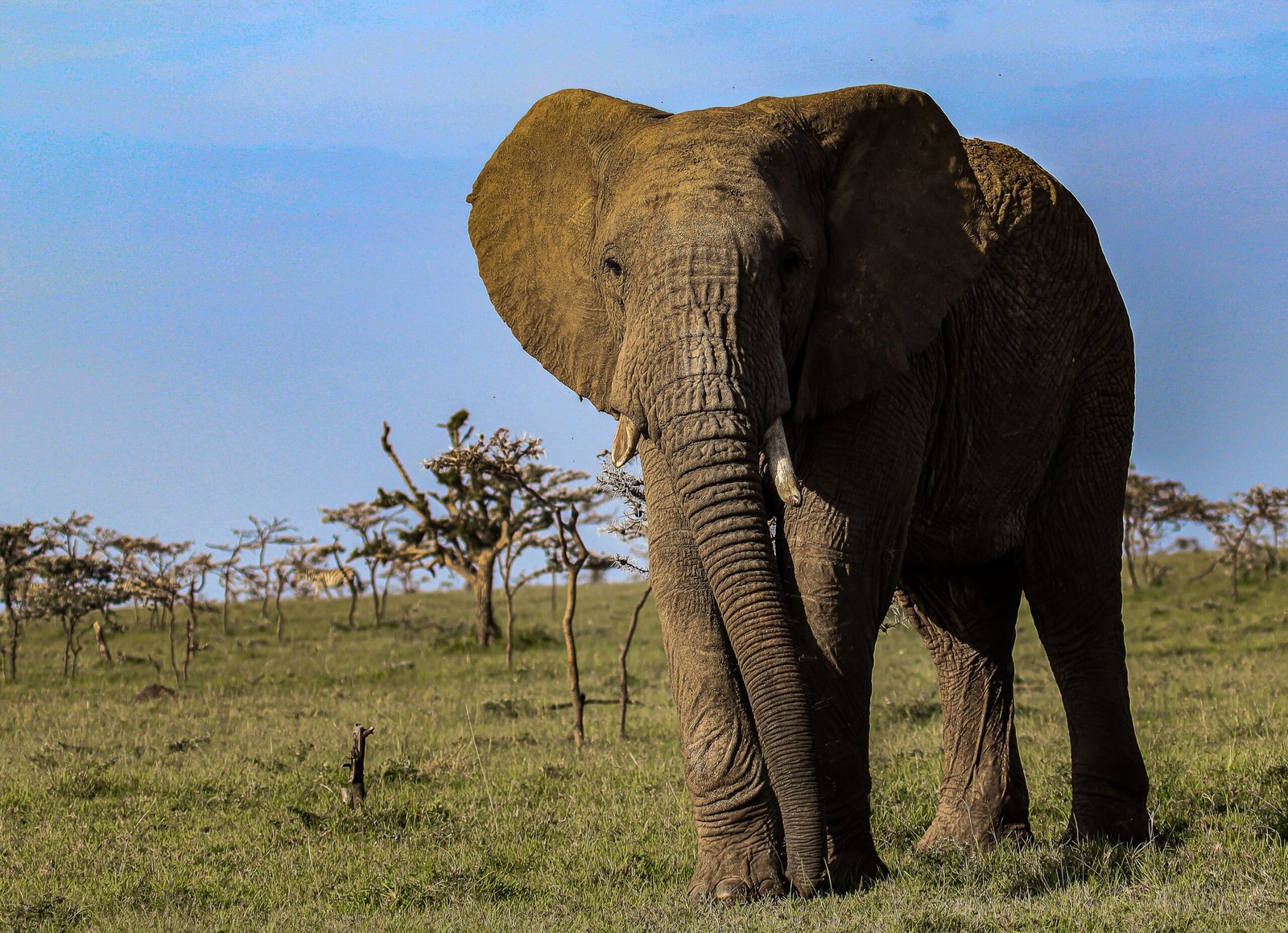
Amboseli National Park is located in southern Kenya, near the border with Tanzania. It is famous for its large elephant herds and views of Mount Kilimanjaro, which stands across the border in Tanzania. On a clear day, the mountain rises above the plains and creates one of the most beautiful sights in the country.
Amboseli has open grasslands, dry areas, swamps, and seasonal water sources. These different habitats support many animals. Visitors may see elephants, lions, buffaloes, zebras, wildebeest, giraffes, and several species of antelope. The park is particularly well known for elephants that often move in family groups across the open landscape.
The wetlands are important because they provide water and fresh vegetation for wildlife, even when other parts of the park are dry. They also attract many birds, including herons, pelicans, and other water-loving species.
Amboseli is a good choice for a short safari of two or three days. Travellers can drive from Nairobi, spend time exploring the park, and return to the city without needing a very long holiday. The journey usually takes around four to five hours, depending on traffic, the route, and the starting point.
Early morning is often a good time to enjoy views of Mount Kilimanjaro before clouds cover the summit. It is also a useful time for wildlife photography because the light is softer and many animals are active.
Amboseli is especially suitable for visitors who love elephants, enjoy taking photographs, or want to combine wildlife viewing with mountain scenery.
3. Lake Nakuru National Park
Lake Nakuru National Park is found in Kenya’s Great Rift Valley, near Nakuru town. It is a good destination for travellers who want to enjoy a safari without travelling too far from Nairobi. The park has a mixture of woodland, open grassland, rocky hills, and lakeside habitats.
One of the main reasons people visit Lake Nakuru is to see rhinos. Both black and white rhinos live in the park, making it an important place for rhino conservation. Visitors may also see Rothschild’s giraffes, buffaloes, zebras, waterbucks, and other animals. Lions and leopards are also found here, although sightings are never guaranteed.
Lake Nakuru is also known for its birdlife. Flamingos have attracted visitors to the lake for many years, but their numbers change according to water levels and the amount of food available. Other birds may be seen around the lake, in the trees, and across the grasslands.
The park can be visited on a day trip, although spending one night nearby gives you more time to explore. An afternoon or morning game drive can provide good opportunities to look for rhinos, giraffes, and other wildlife.
Lake Nakuru is also a good stop for travellers planning a longer safari through the Rift Valley. It can be combined with Lake Naivasha, the Masai Mara, or other destinations depending on the number of days available.
For visitors who enjoy birds, rhinos, and varied landscapes, Lake Nakuru is a rewarding choice for a short Kenya safari.
4. Tsavo East National Park
Tsavo East National Park is one of the largest national parks in Kenya. It is located in the southeastern part of the country and is known for its wide open spaces, red soil, and large elephant herds. The red dust often gives elephants a reddish appearance when they roll or cover themselves in the soil.
The park has open plains, scattered trees, rocky areas, and the Galana River. This river provides an important source of water for animals in the surrounding dry landscape. During a game drive, visitors may see elephants, lions, giraffes, zebras, buffaloes, and different antelope species. Crocodiles and hippos may also be found in suitable river habitats.
Tsavo East is a good place for travellers who enjoy exploring large natural areas. Because the park is so vast, animals may be spread over different sections, and a guide who knows the area can help visitors search for wildlife.
One well-known feature is Aruba Dam, where animals may gather to drink, especially when conditions are dry. The Galana River also provides beautiful scenery and opportunities to observe wildlife.
A short visit can last one or two nights, with game drives planned for the morning and afternoon. Tsavo East is also a useful choice for travellers heading towards the Kenyan coast, as it can be combined with a beach holiday in places such as Diani.
The park offers a different feeling from the Masai Mara. Its dry landscapes, red earth, and wide spaces make it a memorable place to explore.
5. Tsavo West National Park
Tsavo West National Park is located in southeastern Kenya, near Tsavo East and Amboseli. Although the two Tsavo parks share a name, their landscapes are different. Tsavo West has hills, rocky outcrops, volcanic features, woodland, and areas of thick vegetation.
The park is home to elephants, lions, buffaloes, giraffes, zebras, and many other animals. However, some animals can be harder to spot because bushes and trees provide more cover than the open plains found in some other parks.
One of the best-known places in Tsavo West is Mzima Springs. Here, clear water rises from underground sources and supports hippos, fish, and other wildlife. Visitors can explore the area and enjoy views of the springs and the surrounding green vegetation.
The park also has beautiful volcanic landscapes, including the Shetani Lava Flow, where visitors can see dark rock formed by past volcanic activity. These features make Tsavo West interesting for people who enjoy both wildlife and natural scenery.
A short safari of one or two days can include game drives and visits to selected attractions within the park. Travellers can also combine Tsavo West with Tsavo East for a longer wildlife holiday.
Tsavo West is a good option for people who want to explore a less open landscape, enjoy scenic drives, and learn about Kenya’s varied natural environments.
6. Nairobi National Park
Nairobi National Park is one of the easiest parks to visit during a short stay in Kenya. It is located just outside Nairobi city centre, making it possible to enjoy a game drive without travelling far from hotels, the airport, or the city.
What makes the park special is the contrast between wildlife and the city skyline. Visitors can see animals grazing across open grasslands while buildings are visible in the distance.
The park is home to lions, rhinos, giraffes, zebras, buffaloes, ostriches, and several antelope species. It is especially important for black rhino conservation. Elephants are not found in the park, so visitors hoping to see them should choose another destination.
Nairobi National Park can be visited in half a day or a full day, depending on your schedule. Early morning game drives can be rewarding because many animals are active before the day becomes hot. Afternoon visits are also possible, depending on park hours and the visitor’s plans.
The park is useful for people arriving in Nairobi who want to enjoy a safari before travelling to another part of Kenya. It is also a good choice for visitors with limited time or those who want a wildlife experience without paying for several nights outside the city.
Nairobi National Park proves that you do not always need to travel far from a city to enjoy a memorable safari.
7. Ol Pejeta Conservancy
Ol Pejeta Conservancy is located near Nanyuki in central Kenya, in the Laikipia region. It is known for wildlife conservation, rhino protection, and efforts to protect endangered animals. The conservancy offers a chance to learn about wildlife as well as enjoy game drives.
Visitors may see elephants, lions, leopards, buffaloes, zebras, giraffes, and several antelope species. The area is also home to black and white rhinos and is known for its conservation work involving endangered species.
Ol Pejeta is especially important for people interested in protecting wildlife. Visitors can learn how conservation teams work to reduce threats to animals and protect their habitats. Some visits may include opportunities to learn about the conservancy’s rhino programmes and other conservation projects, subject to availability and the rules of the site.
The conservancy can be visited over two days, although longer stays allow more time for wildlife viewing and learning about the area. Travellers can combine it with other destinations in central Kenya or plan a short trip from Nairobi.
The landscape is different from the Masai Mara. It includes open plains, grassland, and views of Mount Kenya on clear days. This combination of wildlife, scenery, and conservation makes Ol Pejeta an interesting destination for families, photographers, and visitors who want to understand more about protecting animals.
8. Samburu National Reserve
Samburu National Reserve is located in northern Kenya along the Ewaso Ng’iro River. The area has a dry climate, rocky hills, open scrubland, and riverine vegetation. These conditions create a different wildlife experience from the greener parks and the wide grasslands of the Masai Mara.
Samburu is famous for several northern wildlife species that are less commonly seen in many other Kenyan parks. These include the Grevy’s zebra, reticulated giraffe, Somali ostrich, gerenuk, and beisa oryx. Together, these animals are often called the Samburu Special Five.
Visitors may also see elephants, lions, leopards, crocodiles, and many bird species. The Ewaso Ng’iro River is an important source of water, attracting animals and providing a place to observe wildlife along its banks.
A short safari in Samburu usually works well over two or three days. The drive from Nairobi is long, so an overnight stay or a few nights in the area can make the journey more worthwhile.
Game drives often take place in the morning and afternoon, when temperatures are cooler and animals may be more active. A local guide can help visitors look for the special northern species and explain how animals survive in the dry environment.
Samburu is a good choice for travellers who have already visited Kenya’s more famous parks or want to see wildlife that is less common elsewhere in the country.
9. Meru National Park
Meru National Park is located in eastern Kenya, northeast of Mount Kenya. It is known for its rivers, grasslands, woodland, and areas of thick vegetation. Several rivers cross the park, helping to support wildlife in different parts of the landscape.
Visitors may see elephants, lions, leopards, buffaloes, giraffes, zebras, and various antelope species. The park also supports many birds and offers a quieter safari experience than some of Kenya’s more heavily visited destinations.
Meru is linked to the story of Elsa the lioness, whose life inspired the book and film Born Free. The area is also important for wildlife conservation, including efforts to protect endangered species.
Because the park is large and some areas have thick vegetation, wildlife sightings may require patience. A good guide can help visitors explore the available tracks and water sources while looking for animals.
A two- or three-day visit provides time for game drives and enjoying the natural scenery. Travellers should plan transport carefully because the journey from Nairobi takes several hours and road conditions can affect travel time.
Meru is a good choice for people who want a safari away from some of the busiest tourist routes. Its rivers, green patches, and open landscapes make it a rewarding destination for nature lovers.
10. Hell’s Gate National Park
Hell’s Gate National Park is located near Lake Naivasha in the Great Rift Valley. It is known for its dramatic cliffs, rocky towers, deep gorges, and geothermal features. Unlike many other parks, Hell’s Gate is also famous for activities that allow visitors to experience nature outside a safari vehicle.
The park has wildlife such as zebras, giraffes, buffaloes, gazelles, and baboons. Predators are less commonly seen by visitors than in some of Kenya’s larger reserves, but the scenery makes the park special.
One of the most popular activities is cycling along permitted park routes, where visitors can enjoy the landscape and watch wildlife from a distance. Walking and hiking are also possible in approved areas. Some visitors explore the gorge with a guide when conditions allow.
The scenery includes towering rock formations and cliffs shaped by natural forces over many years. The park’s geothermal activity is another interesting feature of the wider area.
Hell’s Gate can be visited on a day trip, making it a useful choice for people with limited time. It is also easy to combine with a visit to Lake Naivasha, where visitors can enjoy a boat ride and, if arranged, a guided walk at Crescent Island.
This park is particularly suitable for travellers who enjoy outdoor activities, walking, cycling, and exploring unusual landscapes rather than spending the whole day in a safari vehicle.
11. Lake Bogoria National Reserve
Lake Bogoria National Reserve is found in the Great Rift Valley, north of Nakuru. It is famous for its hot springs, geysers, volcanic features, and birdlife. The lake’s alkaline water attracts flamingos when conditions are suitable, creating beautiful scenes along the shoreline.
The surrounding landscape is dry and open, with rocky hills and patches of woodland. Visitors can enjoy scenic drives, observe birds, and explore the geothermal features found in the reserve.
Lake Bogoria is especially interesting for people who enjoy nature and geology. Hot water rises from the ground in certain areas, showing the geothermal activity beneath the Rift Valley. Visitors should follow local guidance and keep a safe distance from hot springs and other dangerous features.
Wildlife in the wider area includes animals such as zebras, gazelles, and other species adapted to dry conditions, although the main attraction is often the lake’s scenery and birdlife.
The reserve can be visited as a day trip from nearby towns or included in a longer Rift Valley safari. It can also be combined with Lake Nakuru and Lake Naivasha for travellers who want to explore several lakes in a few days.
Lake Bogoria offers a different experience from a traditional big-game safari. It is a good destination for visitors who enjoy birds, striking landscapes, and natural features.
12. Mount Kenya National Park
Mount Kenya National Park protects the area around Mount Kenya, the country’s highest mountain. The mountain has forested lower slopes, bamboo zones, moorland, rocky peaks, and alpine landscapes. These environments change with altitude, making the park an important home for many plant and animal species.
Visitors can enjoy mountain scenery, forest walks in permitted areas, birdwatching, and longer hiking trips. Some travellers visit for a day to enjoy the foothills and views, while others plan several days to climb towards the mountain’s higher areas.
Wildlife in the forests includes elephants, buffaloes, monkeys, and several other species, although dense vegetation can make sightings difficult. The park is also known for its unusual high-altitude plants, some of which grow in forms adapted to cold nights and changing weather.
A Mount Kenya visit requires different planning from a typical game-drive safari. Visitors should consider their fitness, the route, altitude, weather, and whether they need a trained mountain guide. Anyone planning a climb should allow enough time to adjust to the altitude.
Mount Kenya National Park is a good choice for people who love mountains, hiking, and nature. It can also be combined with destinations in central Kenya for a varied short holiday.
13. Aberdare National Park
Aberdare National Park is located in the central highlands of Kenya. It has thick forests, deep valleys, waterfalls, bamboo vegetation, and high mountain areas. Its cool climate and green scenery make it very different from the dry grasslands of the Masai Mara and Amboseli.
The park supports elephants, buffaloes, bushbucks, giant forest hogs, and other wildlife. Visitors may also encounter different bird species and, in suitable areas, animals such as leopards. Dense forest means that wildlife is not always easy to spot, but the scenery makes the experience worthwhile.
Aberdare is known for its waterfalls, including Karuru Falls, which drops through a deep forested valley. The park also has forest roads and viewpoints where visitors can appreciate the natural surroundings.
A short visit can be planned over one or two days, depending on your preferred activities and accommodation. Some visitors choose forest lodges where wildlife can sometimes be observed from special viewing areas.
The park is suitable for travellers who enjoy forests, cool weather, waterfalls, and mountain scenery. It can also be combined with other destinations in central Kenya, such as Ol Pejeta, depending on the available time.
14. Chyulu Hills National Park
Chyulu Hills National Park is located in southeastern Kenya between the Amboseli and Tsavo regions. It is known for green hills, volcanic landscapes, forest patches, and wide views of the surrounding countryside. On clear days, Mount Kilimanjaro may be visible from suitable viewpoints.
The hills were formed through volcanic activity and have a landscape of rolling slopes and unusual rock formations. The area supports wildlife such as elephants, buffaloes, giraffes, and several antelope species, although sightings depend on where visitors explore.
Chyulu Hills is different from parks that focus mainly on large herds and frequent game-drive sightings. Here, the scenery, peaceful surroundings, and outdoor activities are important parts of the experience.
Visitors can enjoy guided walks and other permitted activities arranged through local operators or accommodation providers. Because conditions and access vary, it is best to plan activities in advance and follow local safety advice.
A visit can be combined with Amboseli or the Tsavo parks for a longer safari in southern Kenya. Travellers should allow enough time for road transfers and check which activities are available in their chosen area.
Chyulu Hills is an interesting choice for people who want to explore Kenya’s volcanic scenery and enjoy a quieter natural environment.
How to Choose a Kenya Safari Park for a Short Trip
Choosing the right park depends on the time you have and what you want to experience. If your main goal is to see lions, cheetahs, and large herds of wildlife, the Masai Mara is a strong choice. If you want to see elephants with Mount Kilimanjaro in the background, Amboseli is worth considering.
Lake Nakuru is a useful option for rhinos, giraffes, and birdlife. Tsavo East and Tsavo West are suitable for travellers who want to explore large wilderness areas, while Samburu offers a chance to look for northern wildlife species. Nairobi National Park is convenient if you have only half a day or one day available.
If you enjoy walking and outdoor activities, Hell’s Gate is a good option. Visitors interested in mountain scenery can consider Mount Kenya National Park, while Lake Bogoria offers hot springs, geysers, and birdlife.
It is also important to consider the distance between parks. Some destinations are close enough to combine comfortably, while others require long road journeys. Trying to visit too many parks in a short time can leave you spending more hours travelling than enjoying wildlife.
For a two-day safari, consider focusing on one main destination. For a three- or four-day trip, you could combine two nearby parks. With five days or more, you may have time to visit several destinations, provided the route is planned carefully.
Best Time to Visit Kenya Safari Parks
Kenya can be visited throughout the year, but the weather can affect road conditions, wildlife viewing, and the overall safari experience.
The drier months are often popular for game drives because grass may be shorter and animals can gather around available water sources. In many parts of Kenya, the main dry periods fall around June to October and January to February, although local conditions vary.
The rainy seasons can bring green landscapes, flowers, and excellent birdwatching. However, some roads may become muddy or difficult to use, and heavy rain can affect travel times.
The best time to visit the Masai Mara for the Great Migration depends on the movement of wildebeest and the amount of rainfall. Visitors should not expect the same sightings on every trip, as wild animals move freely through their natural habitats.
Amboseli is often rewarding for elephant viewing throughout the year, while Lake Nakuru and other birding destinations can change with water levels and seasonal conditions. Always check local conditions before travelling.
Tips for Planning a Short Kenya Safari
Before booking a short safari, decide how many days you have and which animals or landscapes matter most to you. This helps you select parks that fit your interests without rushing between destinations.
Choose a route that makes sense geographically. For example, Lake Nakuru and Lake Naivasha can be combined on a Rift Valley safari, while Amboseli can be paired with other destinations in southern Kenya. The Masai Mara often deserves at least two nights if you want a full day of game drives.
Book a suitable safari vehicle and a knowledgeable guide. A guide can help you understand animal behaviour, find suitable viewing areas, and explain the natural environment. Remember that wildlife sightings cannot be guaranteed.
Pack comfortable clothes, a hat, sunscreen, binoculars, a camera, and a light jacket for cool mornings. Carry drinking water and follow your guide’s instructions during game drives and walking activities.
Finally, check park entry fees, accommodation costs, and transport arrangements before confirming your trip. Prices can vary by season, accommodation type, nationality, and the services included in a package.
Conclusion
Kenya has many wonderful parks and reserves that can be explored on a short safari. From the famous wildlife of the Masai Mara to the elephants of Amboseli, the rhinos of Lake Nakuru, and the northern species of Samburu, each destination offers a different experience.
You can also enjoy the red landscapes of Tsavo East, the hills and springs of Tsavo West, the easy access of Nairobi National Park, or the mountain scenery of Mount Kenya. For a more active holiday, Hell’s Gate offers walking and cycling opportunities, while Lake Bogoria is known for its geothermal features and birdlife.
The most important thing is to choose a route that suits your available time, budget, and interests. You do not have to visit every park in one trip. Even a short safari can give you beautiful memories, exciting wildlife encounters, and a deeper appreciation of Kenya’s natural beauty.
Whether you have one day or a full week, Kenya offers many opportunities to enjoy nature and discover something new.
Recent Posts
Short Kenya Safari Parks You Can Visit
Why Kenya Is One of Africa’s Best Safari Destinations