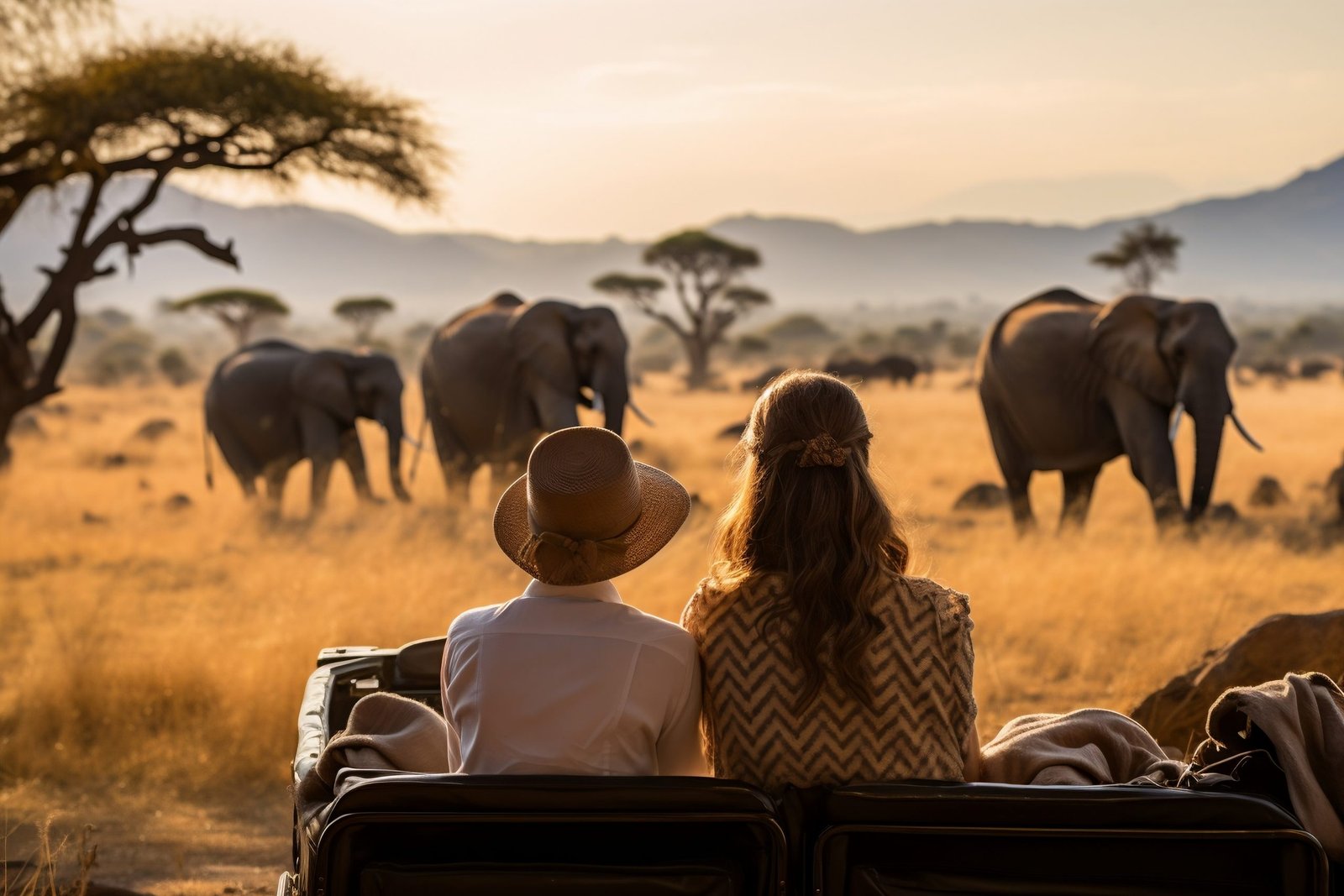
Why Kenya Is One of Africa’s Best Safari Destinations
Kenya is one of the most beautiful countries in Africa and a wonderful place to enjoy a safari. It is a country filled with wide open grasslands, high mountains, fresh lakes, green forests, rivers and beautiful beaches. It is also home to many wild animals that people from different parts of the world travel to see. From the famous Masai Mara to the elephant-filled plains of Amboseli, Kenya offers many exciting places for visitors who want to enjoy nature and see animals in their natural homes. A safari in Kenya is not only about watching animals. It is also about learning about the land, meeting local people, enjoying different cultures and discovering the beauty of Africa.
One of the main reasons Kenya is among the best safari destinations is its rich wildlife. Visitors can see the Big Five, which include lions, elephants, leopards, buffaloes and rhinos. These animals are among the most loved sights on an African safari. Kenya also has giraffes, zebras, cheetahs, hippos, crocodiles, wildebeest, antelopes and many other animals. Each national park and wildlife area has something different to offer. Some places are famous for large elephant herds, while others are known for big cats, rare animals or large numbers of birds.
Kenya also has beautiful natural landscapes. The open plains of the Masai Mara, the snow-capped peak of Mount Kenya, the dry hills of Samburu and the white sandy beaches along the Indian Ocean all make the country special. Visitors can enjoy game drives, walking safaris in approved areas, bird watching, boat rides, cultural visits and relaxing beach holidays. This makes Kenya a good choice for couples, families, friends, photographers and people travelling alone.
Another special thing about Kenya is the warm welcome visitors receive from local communities. The Maasai, Samburu and many other communities have rich cultures, traditional foods, music, dance and ways of life that visitors can learn about. Many safari areas also work with local people to protect wildlife and support community projects.
Whether someone is visiting Africa for the first time or returning for another holiday, Kenya has many experiences to offer. It brings together wildlife, nature, culture, adventure and relaxation in one country. These are some of the reasons why Kenya continues to attract safari lovers from around the world.
1. Home to the Famous Big Five
One of the main reasons Kenya is one of Africa’s best safari destinations is the chance to see the Big Five. The Big Five are the lion, elephant, leopard, buffalo and rhino. These animals are among the most famous wildlife species in Africa. In the past, the name was used by hunters to describe five difficult and dangerous animals to hunt on foot. Today, the name is mostly used by safari visitors who hope to see and photograph them in the wild.
Kenya has several national parks and conservancies where visitors can search for these animals. The Masai Mara is one of the best places to look for lions, leopards, elephants and buffaloes. Lions can often be seen resting under trees or moving across the open grasslands. Elephants travel in family groups, while buffaloes are often found grazing in large herds. Leopards are more difficult to spot because they spend much of their time resting in trees or hiding in thick bushes.
Rhinos can be seen in places such as Lake Nakuru National Park and Ol Pejeta Conservancy. These areas are important for rhino protection. Both black and white rhinos live in Kenya, although they are not found in every park. Ol Pejeta is especially known for its work in protecting endangered rhinos.
Seeing all five animals during one safari is not always guaranteed. Wildlife moves freely, and some animals are harder to find than others. However, Kenya offers visitors many chances to see these famous animals with the help of experienced safari guides. Each sighting is special because the animals are living freely in their natural environment.
2. The Masai Mara and the Great Wildebeest Migration
The Masai Mara National Reserve is one of the most famous safari destinations in Africa. It is found in southwestern Kenya and is known for its wide grasslands, rich wildlife and beautiful natural views. Many people choose Kenya because they want to visit this special wildlife area.
The Masai Mara is home to lions, elephants, leopards, cheetahs, buffaloes, giraffes, zebras, wildebeest and many other animals. During a game drive, visitors may see animals grazing, hunting, resting or moving across the plains. The reserve is especially popular with people who want to see big cats. Lions can sometimes be seen in family groups, while cheetahs may be spotted looking for prey in the open grasslands.
One of the biggest attractions of the Masai Mara is the Great Wildebeest Migration. Every year, large numbers of wildebeest and zebras move between the Serengeti in Tanzania and the Masai Mara in Kenya as they search for fresh grass and water. During the migration season, usually around July to October in the Mara, visitors may see huge herds moving across the plains. Some animals cross rivers where crocodiles live, making the journey a difficult one.
The river crossings are among the most exciting wildlife events in Africa. Visitors may watch hundreds or thousands of wildebeest gathering near a river before attempting to cross. However, migration timing changes every year because it depends on rainfall and the availability of grass. It is important to understand that river crossings are not guaranteed on a particular day.
Apart from the migration, the Masai Mara offers excellent wildlife viewing throughout the year. Visitors can enjoy morning and afternoon game drives, guided nature experiences in approved conservancies and hot-air balloon safaris. The beautiful scenery and large number of animals make the Masai Mara a major reason why Kenya is known around the world for safari holidays.
3. Amboseli National Park and Its Large Elephant Herds
Amboseli National Park is another reason why Kenya is a leading safari destination. The park is famous for its large elephant herds and beautiful views of Mount Kilimanjaro, which stands across the border in Tanzania. On clear days, the mountain creates one of the most beautiful backgrounds for wildlife photography.
Amboseli is a wonderful place for visitors who love elephants. Large family groups can often be seen walking across the open plains, feeding on grass or gathering near water. Some elephants have very large tusks, making them special to see during a safari. The park is also known for its long history of elephant research and conservation.
Although elephants are the main attraction, Amboseli has many other animals. Visitors may see lions, cheetahs, hyenas, giraffes, zebras, wildebeest, buffaloes and different types of antelopes. The park also has wetlands and swamps that attract many birds and other wildlife. These water areas are important because the surrounding land is often dry.
A typical safari in Amboseli includes morning and afternoon game drives. Early morning is often a good time to look for wildlife because many animals are active before the day becomes hot. It is also a good time to see Mount Kilimanjaro when the clouds are clear. Afternoon drives offer another chance to explore different parts of the park.
Amboseli is suitable for couples, families, photographers and anyone who wants to enjoy a peaceful safari with beautiful views. Many lodges and camps are located near the park, allowing visitors to enjoy the natural surroundings. For people planning a Kenya safari, adding Amboseli to the Masai Mara creates a wonderful combination of different landscapes and wildlife experiences.
4. Samburu and Its Special Five Animals
Samburu National Reserve offers a different safari experience from the Masai Mara and Amboseli. It is found in northern Kenya and is known for its dry landscapes, rocky hills, river forests and unique wildlife. The Ewaso Nyiro River runs through the area and provides an important source of water for animals.
Samburu is famous for the Samburu Special Five. These are five animal species that are not commonly seen together in many other parts of Kenya. They include the Grevy’s zebra, reticulated giraffe, gerenuk, Somali ostrich and Beisa oryx.
The Grevy’s zebra is different from the common plains zebra because it has narrow stripes, large ears and a white belly. The reticulated giraffe has beautiful markings that look like a network of lines across its body. The gerenuk is a special antelope with a long neck. It can stand on its back legs to reach leaves from tall bushes and trees. The Beisa oryx has long, straight horns, while the Somali ostrich is known for its blue-grey neck and legs in males.
Visitors to Samburu may also see elephants, lions, leopards, crocodiles, buffaloes and many bird species. The river attracts animals, especially during dry periods when water is limited in other areas.
Another reason to visit Samburu is its culture. The Samburu people have a rich way of life, with colourful clothing, traditional jewellery, music and dances. Visitors can arrange cultural experiences with local communities and learn about their traditions.
Samburu is a good destination for travellers who want something different from the usual safari route. It can be combined with Ol Pejeta, Mount Kenya or the Masai Mara to create a longer Kenya safari.
5. Lake Nakuru and Its Beautiful Wildlife
Lake Nakuru National Park is one of the most popular wildlife destinations in the Great Rift Valley. It is known for its lake, green forests, open grasslands and rich birdlife. The park is a good place for visitors who want to enjoy a shorter wildlife experience while travelling between the Masai Mara and other destinations.
Lake Nakuru has a long history of being known for its flamingos. At certain times, large numbers of these birds gather around the lake to feed on small organisms found in the water. Their pink colour can create a beautiful view along the lakeshore. However, the number of flamingos changes depending on water levels and food conditions, so visitors should not expect to see huge groups on every visit.
The park is also an important home for rhinos. Both black and white rhinos are protected within the park, making it a good place for visitors hoping to see these endangered animals. Other wildlife includes Rothschild’s giraffes, buffaloes, zebras, waterbucks, baboons and different antelope species. Lions and leopards also live in the park, although sightings depend on luck and the time spent exploring.
A game drive in Lake Nakuru can be enjoyed in the morning or afternoon. Visitors can explore the lake shores, woodlands and grasslands while searching for animals and birds. There are also beautiful viewpoints where travellers can stop to enjoy the scenery and take photographs.
Lake Nakuru is often included in Kenya safari packages because of its location between the Masai Mara and other parts of the country. It is a good destination for families, couples and wildlife lovers who want to see different animals without spending many days in one park.
6. Ol Pejeta Conservancy and Wildlife Protection
Ol Pejeta Conservancy is one of Kenya’s important wildlife conservation areas. It is located near Nanyuki, at the foot of Mount Kenya. The conservancy is known for its work in protecting endangered animals and giving visitors a chance to learn more about wildlife conservation.
One of the main reasons people visit Ol Pejeta is to see rhinos. The conservancy protects both black and white rhinos and plays an important role in their survival. Visitors may also learn about the challenges that these animals face, including habitat loss and illegal hunting.
Ol Pejeta is also home to the Sweetwaters Chimpanzee Sanctuary. The sanctuary provides a home for rescued chimpanzees that cannot return to the wild. Visitors can learn about their lives and the work involved in caring for them. It is a special experience for people who want to understand more about animal protection.
Other animals found in Ol Pejeta include elephants, lions, leopards, buffaloes, zebras, giraffes and different antelope species. Game drives provide an opportunity to explore the conservancy and enjoy its open landscapes. The area also offers views of Mount Kenya on clear days.
Ol Pejeta is a good addition to a safari that includes Samburu, Lake Nakuru or the Masai Mara. It gives visitors more than just wildlife viewing because it also helps them understand why conservation is important. When travellers visit places that support wildlife protection, they help create income that can support the continued care of these natural areas.
7. Tsavo National Parks and Their Red Elephants
Kenya is also home to Tsavo East National Park and Tsavo West National Park. Together, they form one of the largest protected wildlife areas in the country. These parks are famous for their wide open spaces, red soil, rocky hills, rivers and large elephant herds.
Tsavo East is well known for its red elephants. The elephants appear reddish because they cover their bodies with the red soil found in the park. They do this to protect their skin from the sun and insects. Visitors may see large herds moving across the dry plains or gathering near water sources.
Tsavo West offers a different landscape, with green hills, volcanic features, natural springs and thick vegetation in some areas. One of its popular attractions is Mzima Springs, where clear water flows from underground sources. Visitors can sometimes see hippos and crocodiles in the water. The park also has elephants, giraffes, buffaloes, lions and many bird species.
The two parks are suitable for travellers who want to explore less crowded areas and enjoy long game drives. Tsavo can also be combined with a beach holiday in Diani or Mombasa. This makes it a good choice for people who want to enjoy both wildlife and the Indian Ocean coast.
8. Kenya Has Many Different Landscapes
Another reason Kenya stands out as a safari destination is its variety of landscapes. The country has much more to offer than grasslands and wildlife reserves. Visitors can travel from dry northern areas to green forests, high mountains, freshwater lakes and beautiful beaches.
The Great Rift Valley is one of the most impressive natural features in Kenya. It has hills, cliffs, lakes and wide open views. Visitors travelling from Nairobi to places such as Lake Nakuru, Lake Naivasha and the Masai Mara can enjoy some beautiful scenery along the way. The viewpoint is a popular place to stop for photographs.
Mount Kenya is another special natural attraction. It is the second-highest mountain in Africa and has forests, high mountain slopes and rocky peaks. Travellers who enjoy hiking can take guided trips on the mountain, choosing routes that match their experience and fitness levels.
Northern Kenya has a very different appearance. Places such as Samburu and Laikipia have dry hills, rocky areas and river valleys. These landscapes support wildlife that has adapted to hot and dry conditions.
In the south, Amboseli offers open plains and wetlands with views of Mount Kilimanjaro. Along the coast, visitors can enjoy white sandy beaches, palm trees and warm Indian Ocean waters.
This variety makes it possible to enjoy several different experiences during one holiday. A traveller can begin with wildlife viewing in the Masai Mara, continue to Amboseli, explore the Great Rift Valley and finish with a few relaxing days on the beach.
9. Kenya Offers Excellent Bird Watching
Kenya is a wonderful country for people who enjoy watching birds. It has many different bird species because of its varied landscapes, weather and natural habitats. Birds can be found in forests, lakes, rivers, grasslands, mountains and coastal areas.
Lake Nakuru is one of the places that attracts bird lovers. Depending on the lake conditions, visitors may see flamingos feeding along the water. Other birds include pelicans, cormorants, fish eagles and different water birds.
The Masai Mara also offers excellent bird-watching opportunities. Visitors may see ostriches, secretary birds, vultures, eagles, rollers and many smaller birds. During game drives, guides can help identify different species and explain their behaviour.
Samburu has its own interesting birdlife, with species that are well suited to dry northern environments. The river areas attract birds that depend on water, while the open bushes and grasslands provide homes for other species.
Kenya’s coast is also important for bird watching, especially in areas with mangroves and wetlands. Some birds are permanent residents, while others travel long distances during migration seasons.
Bird watching can be enjoyed as part of an ordinary game drive or as a special activity with a guide. It is a peaceful way to experience nature and gives visitors another reason to spend more time in Kenya’s parks and conservancies.
10. Kenya Has a Rich Culture and Welcoming Communities
A safari in Kenya is not complete without learning something about the people and cultures of the country. Kenya has many communities, each with its own language, food, traditions, music and way of life. These cultures make the country special and give visitors a chance to enjoy more than wildlife.
The Maasai people are among the communities most closely linked with safari tourism. Many Maasai families live in areas around the Masai Mara and other parts of southern Kenya. Visitors can arrange village visits to learn about traditional homes, clothing, beadwork, livestock keeping and daily activities. Some visits include traditional songs and dances.
The Samburu people live mainly in northern Kenya and share some cultural links with the Maasai. Their colourful clothing, jewellery and traditional practices are an important part of the region’s identity. A visit to a local community can help travellers understand how people live in a dry environment and how livestock remains important to their way of life.
Kenya also has many other cultures, including Kikuyu, Kalenjin, Luhya, Luo, Kamba, Mijikenda and many more. Each community has its own history and traditions. Visitors may enjoy local food, visit markets, meet local guides and learn about daily life.
Cultural visits should always be arranged respectfully and with the agreement of the local community. It is important to remember that these are real homes and living cultures, not simply tourist attractions.
When visitors support local guides, craft makers, community projects and locally owned businesses, they also help local families benefit from tourism. This makes a safari more meaningful because it supports both wildlife and the people who live near protected areas.
11. Kenya Offers Luxury, Mid-Range and Budget Safari Options
Kenya is a good safari destination because it offers different accommodation choices for different budgets. Visitors do not need to spend the same amount of money to enjoy a safari. There are luxury lodges, mid-range tented camps, simple safari camps and budget accommodation in different destinations.
Luxury travellers can choose beautiful lodges and camps that offer spacious rooms, private verandas, swimming pools, fine dining and personal service. Places such as Fairmont Mara Safari Club in the Masai Mara and Tawi Lodge in Amboseli provide a comfortable setting for travellers who want a high-end holiday. Some luxury properties also offer special activities such as private game drives, spa treatments and bush dining, depending on the property.
Mid-range travellers can find comfortable lodges and camps with good rooms, meals and easy access to wildlife areas. These properties are suitable for couples, families and small groups who want comfort without choosing the most expensive accommodation.
Budget travellers can also enjoy Kenya through simple tented camps and affordable safari packages. Some camps provide basic but comfortable facilities, allowing visitors to spend more of their budget on park visits and game drives.
The cost of a safari depends on several things. These include the season of travel, number of days, type of accommodation, number of travellers, transport and park fees. Travelling during the busy migration season may cost more than visiting during quieter months. Private safaris also have different costs from group-joining tours because the vehicle and guide expenses are shared differently.
This range of accommodation makes Kenya suitable for honeymooners, families, students, groups of friends and travellers who want a luxury experience. With good planning, visitors can choose a safari that matches their budget and expectations.
12. Kenya Is a Great Destination for Family Safaris
Kenya is also a good destination for family holidays. Parents can travel with their children and enjoy wildlife, nature and outdoor activities together. A family safari can be a wonderful way for children to learn about animals and understand why nature needs protection.
Children can see elephants, giraffes, zebras, lions and many other animals during guided game drives. Watching these animals in the wild can be very different from seeing them in books or on television. Guides can explain how animals find food, care for their young and survive in their natural homes.
Some lodges and camps offer family rooms, swimming pools and special activities for children. Certain properties also provide family-friendly services that make travel easier. However, parents should check age rules for game drives, walking activities and other experiences before booking.
A good family safari should have a comfortable travel plan. Long road journeys can be tiring for young children, so it is important to choose destinations that work well together. For example, families can combine the Masai Mara with Lake Nakuru and Lake Naivasha, or visit Amboseli with Tsavo and the Kenyan coast.
It is also important to pack suitable clothing, hats, sunscreen, insect repellent and comfortable shoes. Children should follow the guide’s instructions during game drives and remain inside the safari vehicle unless the guide says it is safe to leave.
Kenya gives families a chance to spend time together while learning about wildlife and different cultures. It is a holiday that can create lasting memories for both children and adults.
13. Kenya Is Perfect for Honeymoon and Romantic Safaris
Kenya is also a wonderful destination for couples looking for a romantic holiday. It offers a mix of peaceful wildlife areas, beautiful accommodation, exciting outdoor experiences and relaxing beaches. Couples can enjoy a safari in the Masai Mara, watch the sunrise over Amboseli or spend quiet days beside the Indian Ocean.
Many luxury safari lodges offer private rooms, beautiful views, comfortable beds and outdoor spaces where couples can relax together. Some properties can arrange special experiences such as private dinners, bush breakfasts and romantic room decorations, depending on availability and additional charges.
A hot-air balloon safari in the Masai Mara is another experience that many couples enjoy. The flight usually takes place early in the morning, allowing travellers to see the plains from above as the sun rises. After landing, some operators arrange breakfast in the bush.
Couples who want both wildlife and beach relaxation can combine a safari with a stay in Diani, Watamu or Malindi. They can spend the first part of their holiday exploring national parks and the remaining days relaxing on the coast.
A popular combination is the Masai Mara and Amboseli followed by Diani Beach. This allows couples to enjoy wildlife viewing before ending their holiday beside the ocean. Depending on the travel plan, they can use road transport or the Standard Gauge Railway for part of their journey to the coast.
Kenya offers many ways to create a romantic holiday. Whether couples choose a luxury safari, a private game drive or a beach escape, the country has plenty of beautiful places to enjoy together.
14. Kenya Has Beautiful Beaches to Combine with a Safari
One special advantage of choosing Kenya is that visitors can combine a wildlife safari with a beach holiday. After spending several days exploring national parks, travellers can continue to the coast and relax beside the warm Indian Ocean.
Diani Beach is one of the most popular beach destinations in Kenya. It is known for its white sand, clear water, palm trees and beautiful coastline. Visitors can relax on the beach, swim where conditions are safe, enjoy boat trips and take part in water activities.
Watamu is another beautiful coastal destination. It is known for its beaches, coral reefs and marine life. Visitors can enjoy snorkelling, diving and boat trips in suitable areas. Watamu is also a good place for people who want a quieter beach holiday.
Malindi offers a mix of beaches, history and local culture. Visitors can enjoy the coastline, explore the town and visit nearby attractions. Mombasa also offers beautiful beaches, historic sites and a lively coastal atmosphere.
A beach holiday can be added after a safari in the Masai Mara, Amboseli, Tsavo or Samburu. Travellers can choose a few days of relaxation after their game drives. This is especially good for honeymooners and families who want a balanced holiday.
The combination of wildlife and beach experiences makes Kenya a strong choice for people who want different activities during one trip. A visitor can watch elephants in Amboseli in the morning and enjoy the Indian Ocean coast a few days later.
15. Kenya Has Experienced Safari Guides
A good safari is not only about the park or the animals. The person guiding the journey also plays an important role. Kenya has many experienced safari guides who understand wildlife, local landscapes, park rules and the best ways to explore different destinations.
A professional guide helps visitors understand what they are seeing during game drives. For example, they can explain how lions live in groups, why elephants move in family herds and how giraffes feed from tall trees. They can also help identify birds and smaller animals that visitors may not notice on their own.
Guides know how to move through wildlife areas safely and follow the rules set by the national parks and conservancies. They understand the importance of keeping a safe distance from animals and avoiding actions that may disturb them.
An experienced guide can also help plan the day’s activities. They may suggest the best time to leave for a game drive, where to stop for lunch and which areas to explore depending on recent wildlife sightings. However, wildlife is unpredictable, and no guide can promise that a particular animal will appear.
Good guiding makes a safari more enjoyable because visitors learn while travelling. It also helps them understand the importance of protecting wildlife and respecting nature.
When booking a Kenya safari, it is worth choosing a tour operator that works with professional guides and maintains well-equipped safari vehicles. These details can make a big difference to the quality of the holiday.
16. Kenya Is a Good Place for Wildlife Photography
Kenya is one of the most exciting destinations for wildlife photography. The country has beautiful landscapes, many animal species and different lighting conditions throughout the day. This gives photographers many chances to capture special moments.
The Masai Mara is popular for photographing lions, cheetahs, elephants, giraffes and wildebeest. During the migration season, photographers may capture large herds moving across the plains. River crossings can also create powerful photographs, although they cannot be planned or guaranteed.
Amboseli is famous for elephant photography. The sight of elephants walking across the plains with Mount Kilimanjaro in the background is one of the best-known safari scenes in Kenya. Early mornings often offer softer light and a better chance of seeing the mountain before clouds cover its peak.
Samburu provides opportunities to photograph rare and special wildlife such as the Grevy’s zebra, reticulated giraffe and gerenuk. Lake Nakuru is another good destination for photographing rhinos, giraffes and birds.
Photographers should carry suitable camera equipment, extra batteries, memory cards and a protective bag for dust. A camera with a zoom lens can be helpful when photographing animals from a safe distance.
Even visitors using mobile phones can take beautiful pictures during a safari. The most important thing is to respect the animals, listen to the guide and avoid asking the driver to get too close to wildlife.
17. Kenya Offers Different Types of Safari Experiences
Kenya offers several ways to explore nature, which makes it suitable for different types of travellers. The most common experience is a game drive in a 4×4 safari vehicle. Visitors travel through national parks and conservancies while looking for wildlife with the help of a guide.
Private safaris are popular with couples, families and small groups who want a more personal experience. They can enjoy their own vehicle and have more control over their travel schedule. Group-joining safaris are also available for people who want to share the vehicle and costs with other travellers.
Some conservancies offer guided walking safaris in approved areas. These trips allow visitors to learn about smaller plants, insects, animal tracks and the natural environment. Walking safaris must always be conducted with trained guides and follow the area’s safety rules.
Boat trips are available in places such as Lake Naivasha. Visitors can enjoy views of hippos, water birds and the surrounding landscape from the water. Hot-air balloon safaris are another popular activity, especially in the Masai Mara.
Other experiences include cultural visits, bird watching, mountain hiking, nature walks and beach activities. Not every activity is available in every destination, so it is important to check what is offered before travelling.
This variety means visitors can plan a safari based on their interests. Some may want several days of game drives, while others may prefer a combination of wildlife, culture and relaxation.
18. The Best Time to Visit Kenya for a Safari
Kenya can be visited throughout the year, but the best time depends on what a traveller wants to see and the destinations included in the safari. Different seasons bring different weather conditions and wildlife experiences.
The dry months are often popular for game viewing. During dry periods, grass may be shorter, and animals may gather around rivers and water sources. This can make it easier for visitors to spot wildlife. The months from June to October are generally popular for safaris in many parts of Kenya.
The Great Wildebeest Migration is one of the main attractions during the middle and later part of the year. Large herds usually move into the Masai Mara around July or August, although the exact timing changes each year. The migration can continue into October, depending on rainfall and grazing conditions.
The green season brings more rain and fresh grass. Landscapes become greener, and many animals give birth during this period. It can be a beautiful time for photography because the parks look fresh and colourful. Bird watching can also be excellent, especially when migratory birds are present.
January and February are often good months for visiting many wildlife areas, although weather conditions differ between regions. March, April and May are generally wetter months in many parts of the country, and some roads may become difficult to use.
There is no single best month for every safari. Travellers should choose their dates based on their preferred destinations, wildlife interests, budget and weather expectations. A good tour operator can help select a suitable travel period.
19. Kenya Is Suitable for Short and Long Safari Holidays
Another reason Kenya is a leading safari destination is that visitors can enjoy wildlife experiences even when they have limited time. Some travellers visit Kenya for only a few days, while others stay for two weeks or longer. There are many ways to plan a safari depending on the available time.
A short safari can focus on one destination, such as the Masai Mara or Amboseli. This is suitable for travellers who have a limited holiday or are visiting Kenya for business and want to add a wildlife experience.
A five- to seven-day safari can include two or three destinations. For example, visitors can combine the Masai Mara with Lake Nakuru and Lake Naivasha. Another option is to visit Amboseli and Tsavo, especially for travellers who want to continue towards the coast.
Longer safaris allow visitors to explore more areas. A 10- or 14-day holiday can include Samburu, Ol Pejeta, Lake Nakuru, Lake Naivasha, the Masai Mara and Amboseli. Travellers can also add Diani Beach or another coastal destination at the end.
The most important thing is to plan a route that makes sense. Long road journeys can take many hours, so it is better not to include too many destinations in a short holiday. Each park should have enough time for visitors to enjoy its wildlife and surroundings.
Kenya makes it possible to create different safari packages for honeymooners, families, photographers, groups and individual travellers. This flexibility is one of the reasons why the country attracts many visitors.
20. Kenya Supports Wildlife Conservation and Local Communities
Wildlife conservation is an important part of Kenya’s tourism industry. Many national parks, reserves and private conservancies work to protect animals and their natural habitats. Their work helps ensure that future generations can also enjoy Kenya’s wildlife.
Some of the main challenges facing wildlife include loss of natural habitats, illegal hunting, human-wildlife conflict and changes in weather. As towns, farms and roads grow, animals may lose some of the land they need to move, feed and find water.
Kenya has several organisations and conservation areas working to reduce these problems. Ol Pejeta Conservancy is known for its rhino protection work. The Masai Mara conservancies also work with local landowners to protect wildlife areas and support community income.
Tourism can help conservation when it is managed responsibly. Park fees, conservancy fees, lodge payments and other tourism activities can provide money for wildlife protection, staff, research and local projects. Visitors can support these efforts by choosing responsible safari operators and following park rules.
Local communities also play an important role. People who live near wildlife areas share the land with animals and may face challenges when wildlife moves near homes, farms or livestock. Community tourism projects can create jobs and income through guiding, accommodation, cultural visits and other services.
Responsible visitors should avoid littering, feeding wild animals or disturbing them during game drives. They should also respect local customs and follow the instructions of their guides.
A good safari should benefit both visitors and the places they explore. By supporting conservation and local communities, tourism can help protect Kenya’s natural beauty for many years.
21. How to Plan a Kenya Safari
Planning a Kenya safari is easier when travellers know what they want to experience and how much time they have. The first step is to choose the destinations. People who want to see many animals may choose the Masai Mara, while those interested in elephants may prefer Amboseli. Visitors who want to see rare wildlife can add Samburu, and those interested in rhino conservation can visit Ol Pejeta or Lake Nakuru.
The next step is to decide how many days to spend in the country. A short safari may need only three or four days, while a longer holiday can include several parks and a beach stay. It is important to allow enough time for game drives and avoid spending the entire holiday travelling between destinations.
Travellers should also choose their accommodation. Kenya has luxury lodges, mid-range camps and budget tented camps. The choice will affect the total cost of the safari. When comparing packages, visitors should check whether accommodation, meals, park fees, transport and game drives are included.
Transport is another important part of planning. Road safaris are popular because they allow visitors to enjoy the countryside and travel between parks. A private 4×4 safari vehicle is useful for wildlife viewing. Domestic flights can also save time on longer routes, especially when travelling to remote destinations.
Packing the right items can make the trip more comfortable. Travellers should carry comfortable clothes, a warm jacket for early morning game drives, a hat, sunscreen, insect repellent, walking shoes and personal medication. A camera, binoculars and a reusable water bottle can also be useful.
Finally, travellers should check their travel documents and health requirements before departure. Visitors should confirm the current entry rules, travel insurance arrangements and any health advice that applies to their journey.
Good planning helps visitors enjoy their safari without unnecessary stress. It also makes it easier to choose the right destinations, accommodation and activities for their budget.
22. Why Choose Kenya for Your Next African Safari?
Kenya brings together many things that make a holiday special. It has famous wildlife areas, beautiful natural landscapes, welcoming communities, comfortable accommodation and a wide range of activities. Visitors can enjoy a traditional game drive in the Masai Mara, watch elephants in Amboseli, discover the rare animals of Samburu and learn about rhino protection at Ol Pejeta.
The country is also suitable for many types of travellers. Families can enjoy wildlife and nature together, couples can choose romantic lodges and beach holidays, while photographers can explore different parks in search of special wildlife moments. Travellers with a limited budget can choose simple camps, while those looking for luxury can stay in some of Africa’s finest safari lodges.
Another advantage is the chance to combine different experiences in one holiday. A visitor can enjoy several days in the bush before travelling to the coast for a relaxing beach stay. Kenya’s different landscapes make it possible to enjoy mountains, lakes, forests, open plains and beaches without leaving the country.
Kenya also gives travellers a chance to learn about wildlife protection and local cultures. Meeting local guides, visiting communities and supporting responsible tourism can make a safari more meaningful.
Every safari is different because animals move freely and weather conditions change. Some days may bring exciting wildlife sightings, while others may offer quiet moments surrounded by beautiful scenery. Both are part of the experience of exploring nature.
For anyone planning an African holiday, Kenya is a destination worth considering. It offers adventure, relaxation, learning and unforgettable views. Whether it is a first visit or another trip to Africa, Kenya has many places to discover and many reasons to return.
Frequently Asked Questions About Kenya Safaris
1. Why is Kenya one of the best safari destinations in Africa?
Kenya is famous for its rich wildlife, beautiful national parks, the Great Wildebeest Migration, diverse landscapes and welcoming local communities. Visitors can enjoy game drives, cultural experiences, bird watching and beach holidays in one country.
2. What is the best national park to visit in Kenya?
The Masai Mara is one of the most popular choices because of its large wildlife population and the Great Wildebeest Migration. However, Amboseli, Samburu, Lake Nakuru, Tsavo and other wildlife areas also offer special experiences.
3. How many days are enough for a Kenya safari?
A safari of five to seven days is a good starting point for visiting two or three destinations. Travellers who want to explore more parks or add a beach holiday may need 10 to 14 days.
4. What is the best time to visit Kenya for a safari?
Kenya can be visited throughout the year. June to October is popular for wildlife viewing in many parks, while the migration usually reaches the Masai Mara around July to October. The green season is also attractive for scenery and bird watching.
5. Can I combine a Kenya safari with a beach holiday?
Yes. Visitors can combine the Masai Mara, Amboseli or Tsavo with beach destinations such as Diani, Watamu and Malindi. This creates a holiday with both wildlife adventures and time to relax beside the Indian Ocean.
6. Can I see the Big Five in Kenya?
Yes. Kenya has places where visitors can look for all five animals. The Masai Mara, Ol Pejeta and Lake Nakuru are among the areas where visitors may see several of them. However, seeing all five is never guaranteed.
7. Is Kenya suitable for a family safari?
Yes. Many lodges and camps welcome families and offer suitable accommodation. Parents should check age limits for activities and choose a route with comfortable driving times for children.
8. What should I pack for a Kenya safari?
Pack light and comfortable clothes, a warm jacket for early mornings, a hat, sunscreen, insect repellent, walking shoes, personal medication, a camera and binoculars. Neutral-coloured clothing is useful for game drives.
9. Are Kenya safaris available for different budgets?
Yes. Kenya offers luxury, mid-range and budget safaris. The final cost depends on accommodation, travel season, park fees, transport, group size and the number of days.
10. Is a private safari better than a group safari?
A private safari gives travellers their own vehicle and more control over the schedule. A group safari can be more affordable because transport costs are shared. The best choice depends on budget, travel style and personal preference.
Final thought: Kenya is much more than a place to see wild animals. It is a country where visitors can discover beautiful landscapes, learn about different cultures, enjoy exciting adventures and support wildlife conservation. From the open plains of the Masai Mara to the elephants of Amboseli and the beaches of Diani, every part of the country offers something worth exploring. This rich mix of nature, culture and adventure is what makes Kenya one of Africa’s best safari destinations.
Recent Posts
Short Kenya Safari Parks You Can Visit
Why Kenya Is One of Africa’s Best Safari Destinations