Overview
Packing for a Kenya safari requires a practical and well-organized approach to ensure comfort, safety, and convenience throughout your journey. With destinations such as the Maasai Mara and Amboseli National Park offering diverse climates and terrain, travelers need to prepare for both warm daytime conditions and cooler mornings and evenings. The main goal is to pack light while including all essential items that enhance the safari experience.
Clothing should focus on neutral colors like khaki, beige, and olive to blend with the environment and avoid attracting insects. Lightweight, breathable fabrics and layered outfits are ideal for adapting to temperature changes. Comfortable footwear such as walking shoes or sneakers is recommended, with optional hiking boots for walking safaris and sandals for relaxation at the lodge.
Essential gear plays a key role in maximizing the experience. Items such as binoculars, a good camera, sunscreen, insect repellent, and a reusable water bottle are highly important. A small daypack helps organize these items during game drives, while a flashlight is useful in camps with limited lighting.
Travel documents must be well organized, including a valid passport, copies of bookings, and travel insurance. Carrying some Kenyan Shillings is advisable for tips and small purchases. Health and safety items such as personal medication, a first aid kit, and malaria prevention measures are also important considerations.
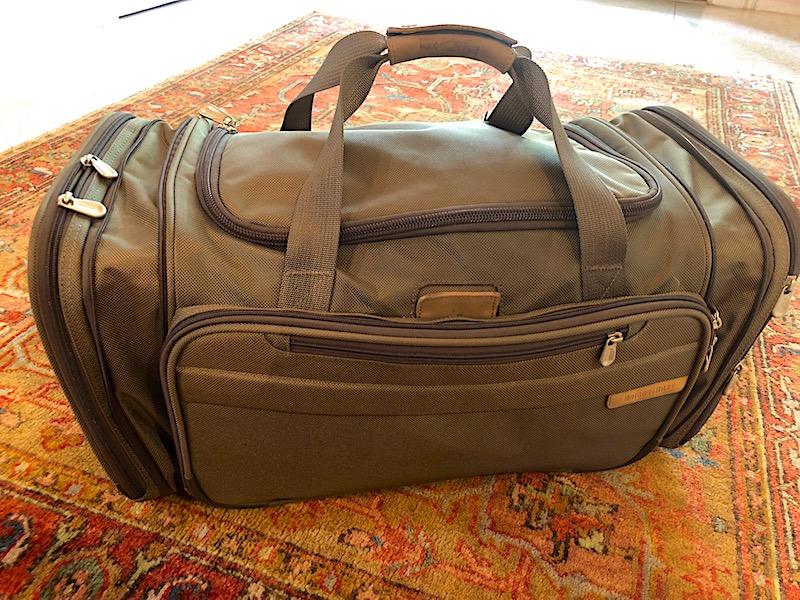
Luggage should be lightweight and practical, with soft-sided duffel bags preferred due to restrictions on small domestic flights. Packing cubes can help with organization, and the availability of laundry services allows travelers to pack fewer clothes.
Optional extras like a travel journal, wildlife guidebook, power bank, and photography equipment can enhance the safari experience but are not mandatory. Overall, successful safari packing is about simplicity and purpose—bringing only what you need so you can focus fully on enjoying Kenya’s incredible wildlife, landscapes, and adventure.
1. Introduction: Preparing for the Adventure
Packing for a Kenya safari is not like preparing for a typical holiday. It requires thoughtful planning, practicality, and a clear understanding of the environment you will be exploring. Kenya offers diverse landscapes—from the rolling plains of the Maasai Mara to the dusty, wildlife-rich grounds of Amboseli National Park—and each setting comes with different needs. You may experience hot sunny days, cool early mornings, and occasional rain depending on the season. The key is to pack light but smart, ensuring you are comfortable, prepared, and able to enjoy every moment without unnecessary stress.
2. Clothing: Dress for Comfort and Camouflage
Clothing plays a major role in your safari experience. Neutral colors such as khaki, beige, olive, and brown are highly recommended because they blend with the natural environment and do not disturb wildlife. Bright colors can attract attention, while dark shades like black and navy may attract insects such as tsetse flies. Choose lightweight and breathable fabrics like cotton or moisture-wicking materials to stay cool during the day.
Layering is essential because temperatures can change quickly. Early morning game drives are often chilly, while afternoons can be quite hot. A light jacket or fleece, long-sleeved shirts, and comfortable trousers are ideal. Accessories like a wide-brimmed hat and sunglasses help protect you from the strong sun, ensuring both comfort and safety.
3. Footwear: Comfort Over Style
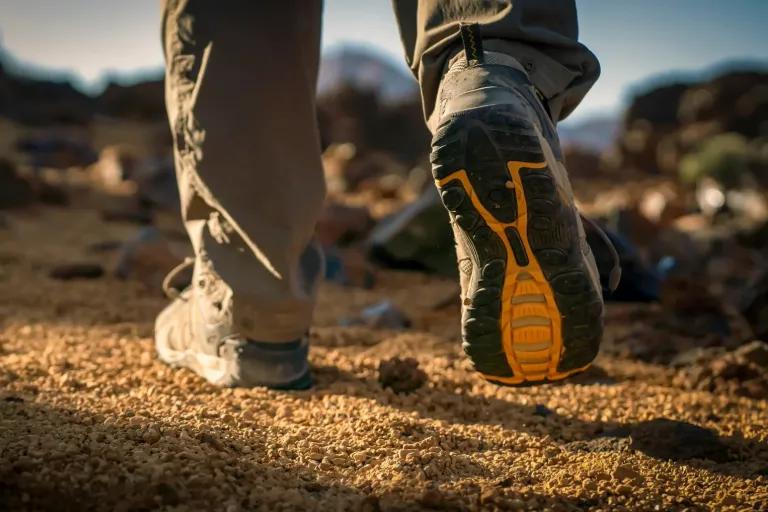
When it comes to footwear, comfort should always come first. Most of your safari time will be spent inside a vehicle, so you won’t need heavy boots unless your itinerary includes walking safaris. A good pair of lightweight walking shoes or sneakers will be more than enough for general use.
If you plan to participate in nature walks or hikes, consider bringing sturdy hiking shoes with proper grip and ankle support. It is also wise to pack a pair of sandals or flip-flops for relaxing at your lodge or camp after long days of exploration. Make sure all your shoes are well broken in before your trip to avoid blisters and discomfort.
4. Essential Gear: What You Should Not Forget
Having the right gear can significantly enhance your safari experience. Binoculars are essential for spotting wildlife from a distance, especially in large open areas. A good camera will help you capture memorable moments, so carry extra batteries and memory cards to avoid running out of storage or power.
Other must-have items include a reusable water bottle, sunscreen with high SPF, insect repellent, and lip balm. A small daypack is useful for carrying your essentials during game drives. A flashlight or headlamp is also important, particularly in camps where lighting may be minimal at night.
5. Travel Documents and Money
Travel documents are crucial and should be carefully organized before your trip. Ensure your passport is valid for at least six months beyond your travel dates. Carry both printed and digital copies of your flight tickets, accommodation bookings, and safari itinerary for convenience.
It is advisable to have some local currency in Kenyan Shillings for tipping and small purchases, although many lodges accept credit cards. Keep your valuables safe in a travel wallet or money belt. Additionally, travel insurance details should be easily accessible in case of emergencies.
6. Health and Safety Items
Health and safety should always be a top priority when packing for a safari. Bring any personal medications you may need, along with copies of prescriptions. It is also advisable to consult your doctor about malaria prevention before traveling to Kenya.
A basic first aid kit with items like bandages, antiseptic wipes, and pain relievers is useful. Hand sanitizer and wet wipes can help maintain hygiene when facilities are limited. Sun protection is essential, so ensure you pack sunscreen, sunglasses, and protective clothing to guard against the strong African sun.
7. Luggage: Pack Smart and Light
Choosing the right luggage is just as important as what you pack. Many safaris in Kenya involve domestic flights on small aircraft, which have strict luggage limits, often around 15 kilograms per person. Soft-sided duffel bags are preferred because they are flexible and easier to store.
Avoid hard suitcases, as they may not be accepted on certain flights. Packing cubes can help you organize your belongings efficiently and maximize space. Since most lodges offer laundry services, you can pack fewer clothes and still stay fresh throughout your trip.
8. Optional Extras for a Better Experience
While not strictly necessary, a few optional items can make your safari more enjoyable. A travel journal allows you to record your daily experiences and reflect on your journey. A wildlife guidebook can help you identify animals and birds, making your trip more educational.
A power bank ensures your devices remain charged, especially during long days in the field. Photography enthusiasts may benefit from carrying a zoom lens or tripod for better wildlife shots. These small additions can enrich your overall safari experience.
9. Final Thoughts: Pack for the Experience, Not the Occasion
Packing for a Kenya safari is all about balance. Focus on practical, versatile items that enhance your comfort and safety without overloading your luggage. Every item you bring should have a clear purpose.
Ultimately, a safari is about connecting with nature, observing wildlife, and enjoying breathtaking landscapes. By packing wisely, you allow yourself to fully embrace the adventure without distractions, making your journey through Kenya truly unforgettable.