How to Plan a 7 Day Tanzania Safari
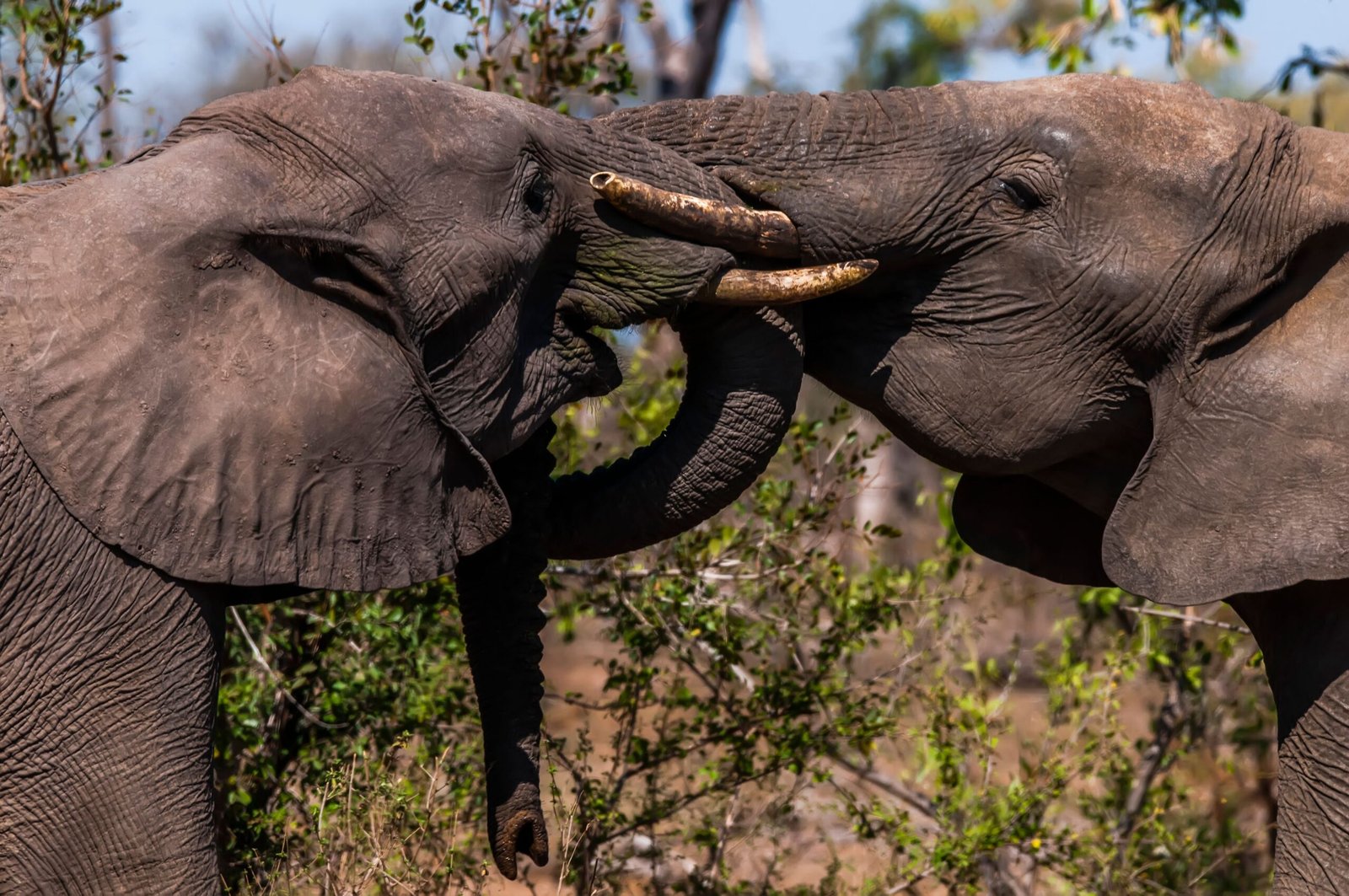
Planning a 7 Day Tanzania Safari is an exciting way to discover Africa’s wildlife, beautiful landscapes, and rich culture. Tanzania is one of the best safari destinations in Africa because it has large national parks, many wild animals, and stunning natural views. Visitors can explore the famous Serengeti National Park, Ngorongoro Crater, Tarangire National Park, and Lake Manyara National Park. Each destination offers a different experience, from watching lions hunt to seeing large elephant herds and thousands of wildebeest moving across the plains. However, a successful Tanzania Safari requires good planning, especially when choosing travel dates, accommodation, transport, clothing, and activities. A clear plan helps you manage your budget, enjoy more wildlife viewing, and avoid spending too much time on the road. Whether you are travelling alone, with family, or with friends, seven days can provide a wonderful safari experience when the route is planned carefully.
1. Choose the Best Safari Destinations
Choosing the right destinations is the first step when planning a Tanzania Safari. Your choice should depend on the animals you want to see, your travel dates, and how much time you have. Serengeti National Park is famous for lions, leopards, cheetahs, elephants, and the Great Wildebeest Migration. The best wildlife experiences depend on the season and the location of the herds.
Ngorongoro Crater is another excellent destination because its grasslands, forests, and water sources support many animals in a small area. Visitors may see buffaloes, zebras, hippos, and, with some luck, black rhinos. Tarangire National Park is known for its large elephant herds and ancient baobab trees. Lake Manyara offers forest scenery, birds, and other wildlife.
For a seven-day trip, avoid adding too many parks. A good route may include Tarangire, Serengeti, and Ngorongoro Crater. Lake Manyara can also be added if driving times and your budget allow. Spend enough time in each park instead of rushing through several destinations. Before booking, discuss your interests with a local safari operator who can suggest a route that suits your travel dates and wildlife goals.
2. Select the Best Time to Travel
The time of year can affect your Tanzania Safari experience, so choose your dates carefully. June to October is generally a popular dry season for wildlife viewing. Grass is often shorter, and animals may gather around water sources, making them easier to spot. These months are also busy, so accommodation and safari prices may be higher.
January to March is another good period, especially for visitors interested in the wildebeest calving season in the southern Serengeti. Many young wildebeest are born during this time, attracting predators such as lions and hyenas. April and May are usually wetter months, when some roads can become muddy and travel may take longer. However, the scenery is green, and there may be fewer visitors in some areas.
The Great Wildebeest Migration moves throughout the year, so it is important to check where the herds are expected to be during your visit. River crossings do not happen on a fixed schedule and cannot be guaranteed. If seeing the migration is your main goal, plan your route around the expected herd location rather than choosing dates based on general season descriptions alone.
3. Prepare a Realistic Safari Budget
Your budget is one of the most important parts of planning a Tanzania Safari. The total cost depends on the number of travellers, the type of accommodation, the parks you visit, and whether you choose a private or shared safari. Park fees, vehicle hire, guide services, meals, and overnight stays usually make up a large part of the cost.
Budget safaris may use simple campsites or affordable lodges. Mid-range trips often include comfortable lodges or tented camps, while luxury safaris provide high-end accommodation, more personal service, and additional comfort. As a broad planning guide, a seven-day safari may cost around US$1,200–US$2,000 per person for a budget trip, US$2,000–US$4,000 for a mid-range trip, or US$4,000 and above for a luxury experience. These are estimates, not fixed prices, and actual quotes may be higher or lower depending on the season and group size.
Remember to include international flights, visa costs where applicable, travel insurance, tips, drinks not covered by your package, and personal spending. Ask your safari operator for a written quotation that clearly explains what is included and excluded. Comparing similar packages helps you understand the real value instead of choosing only the cheapest offer. Booking early can also improve your choice of camps and lodges during busy months.
4. Choose Suitable Accommodation
Accommodation affects both your comfort and the cost of your Tanzania Safari. You can choose campsites, budget hotels, mid-range lodges, luxury lodges, or tented camps located near or inside wildlife areas. Campsites are suitable for travellers who want to spend less and enjoy a simple outdoor experience. Budget lodges provide basic comfort, while mid-range properties usually offer private rooms, bathrooms, meals, and comfortable places to relax after game drives.
Luxury lodges and tented camps often provide spacious rooms, quality meals, attractive views, and extra services. Some are located inside or close to national parks, helping you start game drives early without long transfers. However, accommodation inside protected areas can cost more because of location and park-related charges.
For a seven-day safari, choose places that follow your travel route. Staying near the next park can reduce long morning drives and give you more time to watch wildlife. Confirm whether meals, drinking water, laundry, Wi-Fi, and transfers are included before paying. Check the location carefully, because a property described as being near a park may still be some distance from the entrance. During popular travel periods, reserve your accommodation early to avoid limited choices or higher last-minute prices.
5. Plan Your Transport and Seven-Day Route
Transport is an important part of every Tanzania Safari because national parks can be far apart. Many travellers use a four-wheel-drive safari vehicle with a professional driver-guide. This gives you a good view of wildlife and allows the guide to explain animal behaviour and local landscapes. Some travellers also choose domestic flights between destinations, although flights can increase the overall cost.
A practical seven-day Northern Tanzania itinerary could begin with arrival in Arusha and a visit to Tarangire National Park on Day 1, depending on your arrival time. Day 2 can include a morning game drive before travelling towards the Serengeti. Days 3 and 4 can be spent exploring different parts of the Serengeti, where wildlife sightings change throughout the day. On Day 5, travel towards the Ngorongoro Conservation Area. Day 6 can include a crater game drive, followed by a night in the Karatu area. Day 7 can be used for a relaxed return to Arusha or onward travel, depending on your flight schedule.
This route is only a guide. Actual driving times depend on road conditions, park entrances, wildlife stops, and where you stay. Confirm the plan with your operator before booking. If your international flight arrives late, allow an extra night rather than trying to complete a long drive immediately after landing.
6. Pack the Right Clothing and Safari Items
Packing suitable clothing helps you stay comfortable throughout your Tanzania Safari. Early mornings can be cold, especially in the Serengeti and Ngorongoro highlands, while afternoons may become hot. Bring lightweight trousers, breathable shirts, a warm jacket or fleece, comfortable walking shoes, and a hat to protect yourself from the sun. Neutral colours such as brown, khaki, beige, and green are useful because they blend well with the natural surroundings.
A light rain jacket is helpful during the wetter months. Pack sunglasses, sunscreen, insect repellent, personal medication, and a small day bag for daily game drives. Binoculars can help you see animals at a distance, while a camera with a zoom lens is useful for wildlife photography. Carry a reusable water bottle if your safari operator allows it and provides safe refill options.
Avoid packing too many clothes because luggage space in safari vehicles may be limited. Soft-sided bags are often easier to store than large hard suitcases. Check luggage limits if you plan to take small aircraft between parks, as these flights may have strict weight rules. If you travel during the rainy season, protect your electronics and important documents in waterproof bags. Good preparation means you can focus on the wildlife and enjoy each day without worrying about missing essential items.
7. Understand Wildlife Expectations and Safari Rules
A Tanzania Safari offers the chance to see some of Africa’s most famous animals, but wildlife sightings are never guaranteed. You may see elephants, giraffes, zebras, buffaloes, wildebeest, antelopes, and several bird species. Lions are often spotted in popular wildlife areas, while leopards and cheetahs can take more time and patience to find. Black rhinos are present in protected areas such as Ngorongoro, but sightings can be difficult.
Your guide uses experience, animal tracks, fresh sightings, and information from other guides to improve your chances of finding wildlife. Early morning and late afternoon game drives are often rewarding because many animals are more active during cooler hours. However, every day is different, and patience is part of the experience.
Follow your guide’s instructions, remain inside the vehicle unless told it is safe to leave, and keep a respectful distance from animals. Never feed wildlife or make loud noises to attract their attention. These rules protect both visitors and animals. Respect park speed limits and avoid littering. Remember that a safari is not only about seeing the Big Five. Watching birds, learning about animal behaviour, and enjoying the open landscapes can make your journey just as memorable.
8. Arrange Travel Documents, Health Preparation, and Insurance
Before leaving home, check that your passport is valid and find out whether you need a Tanzanian visa. Entry rules depend on your nationality, so use official government information before travelling. Keep copies of your passport, travel bookings, and emergency contacts in a safe place. It is also wise to share your itinerary with someone you trust.
Speak with a qualified travel health professional before departure about recommended vaccines, malaria prevention, and other health precautions for your route. Requirements and recommendations may vary according to your travel history and the areas you plan to visit. Bring any personal medication you need and keep it in its original packaging where practical.
Travel insurance is another important part of planning. Look for cover that includes medical emergencies, cancellation, delays, and emergency evacuation where appropriate. Read the policy carefully to understand its limits and exclusions. Save your safari operator’s contact details and confirm how to reach them if your flight is delayed or your plans change.
If you are travelling with children or older family members, discuss walking needs, meal preferences, and rest breaks before booking. Good preparation makes the journey safer and helps prevent avoidable problems during your Tanzania Safari.
Conclusion
Planning a 7 Day Tanzania Safari involves more than choosing national parks. You need to select the right season, prepare a realistic budget, book suitable accommodation, organise transport, pack proper clothing, and understand what to expect during game drives. A well-planned route allows you to enjoy Tanzania’s wildlife without spending every day travelling between destinations. Compare safari packages carefully and ask clear questions about park fees, meals, vehicle arrangements, and accommodation. With the right preparation and a flexible attitude, your Tanzania Safari can become a rewarding journey filled with beautiful landscapes, exciting animal sightings, and lasting memories.
Recent Posts
Why Amboseli Is One of Kenya’s Best Safari Destinations
How to Plan a 7 Day Tanzania Safari