The Masai Mara National Reserve is one of the most famous wildlife destinations in Africa. It is found in south-western Kenya, near the border with Tanzania. The reserve is part of a large natural area that connects with Tanzania’s Serengeti National Park. It is known for its wide grasslands, rolling hills, rivers, open plains and large numbers of wild animals. Every year, visitors from different parts of the world travel to the Masai Mara to see its wildlife and enjoy the beauty of the African wilderness.

The Masai Mara is special because it offers visitors a chance to see animals living freely in their natural home. Lions walk across the grasslands, elephants move in family groups, giraffes feed on trees, and cheetahs search for prey in the open plains. It is also home to leopards, buffaloes, rhinos, zebras, wildebeest, hyenas and many other animals. Some visitors come hoping to see the Big Five, while others travel to watch the famous wildebeest migration.
The reserve is also known for its beautiful sunrises and sunsets. Early in the morning, the grasslands are covered with soft golden light as animals begin their daily activities. In the evening, the sky often turns orange and red, creating a wonderful view across the open plains. These natural scenes make the Masai Mara a favourite place for wildlife photographers, nature lovers and safari travellers.
Another reason the Masai Mara is famous is its connection to the Maasai people, whose culture and traditions are an important part of the region. Visitors can learn about traditional homes, clothing, dances and ways of life through respectful cultural experiences.
From the Great Migration to exciting game drives, birdwatching and beautiful landscapes, the Masai Mara offers many reasons to visit. It is not only a place to see wild animals but also a destination where travellers can understand nature and appreciate the importance of protecting wildlife.
1. The Great Wildebeest Migration
The Great Wildebeest Migration is one of the biggest reasons why the Masai Mara is famous around the world. It is a natural event that takes place between Kenya’s Masai Mara National Reserve and Tanzania’s Serengeti National Park. During this movement, millions of wildebeest travel across the grasslands in search of fresh grass and water. They are joined by large numbers of zebras and gazelles, creating one of the most amazing wildlife scenes in Africa.
The migration follows the changing seasons and the availability of food. When the grass becomes dry in one area, the animals begin moving towards places where fresh grass is growing. Their journey is long and difficult because they must cross open plains, rivers and areas where dangerous predators live. Lions, cheetahs, leopards and hyenas follow the herds, looking for opportunities to hunt.
One of the most exciting parts of the migration is the Mara River crossing. Large groups of wildebeest gather along the riverbanks before entering the water. Some hesitate for a long time, while others suddenly rush into the river. The crossing can be dangerous because the water may be strong and crocodiles live in the river. Animals must also avoid being separated from their herds. Watching thousands of wildebeest move through the water is an unforgettable safari experience.
The migration usually reaches the Masai Mara around July, although the exact timing changes every year depending on rainfall and grass conditions. Many visitors travel to Kenya during this period because they hope to witness the famous river crossings. However, the migration is a natural event, so no one can promise the exact day or place where a crossing will happen.
This wildlife movement is important because it shows how animals depend on nature and seasonal changes. It also supports predators and other wildlife that depend on the large herds for food. The Great Migration has made the Masai Mara famous in documentaries, travel magazines, wildlife photography and safari stories around the world.
2. The Home of the Big Five
The Masai Mara is one of the best-known places in Africa for seeing the Big Five. These animals are the lion, elephant, leopard, buffalo and rhinoceros. The name Big Five comes from the past, when hunters considered these animals among the most difficult and dangerous animals to hunt on foot. Today, the name is mainly used by safari travellers who want to see these famous animals in the wild.
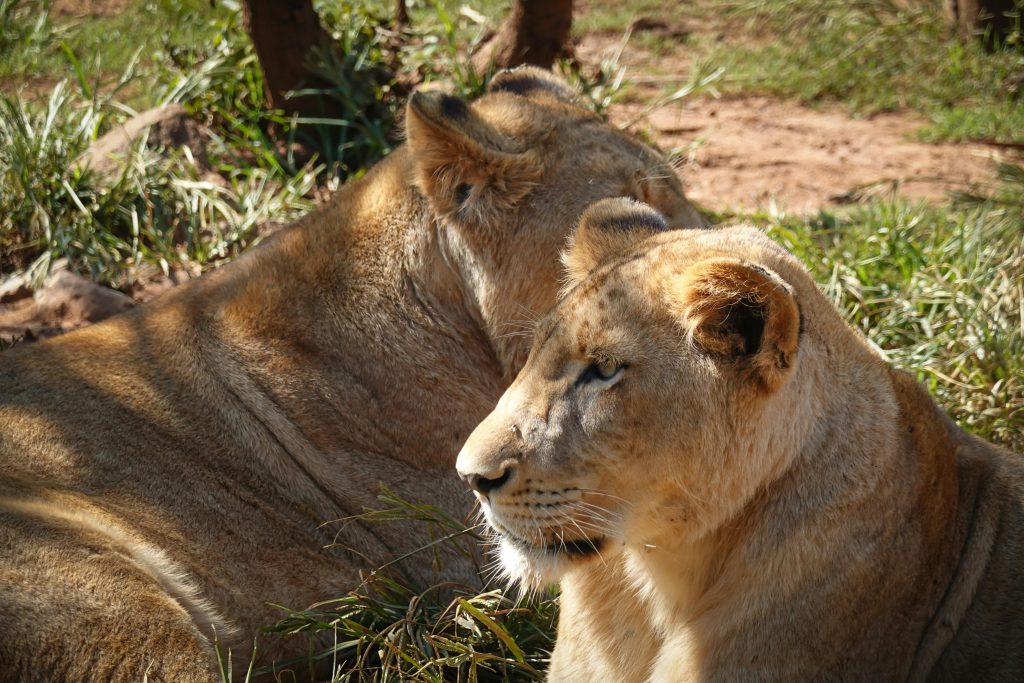
Lions are among the most popular animals in the reserve. They can often be seen resting under trees, walking through the grass or staying close to their family groups, known as prides. A lucky visitor may even see lions hunting or feeding. Their loud roars can sometimes be heard across the plains, especially during the quiet hours of the night.
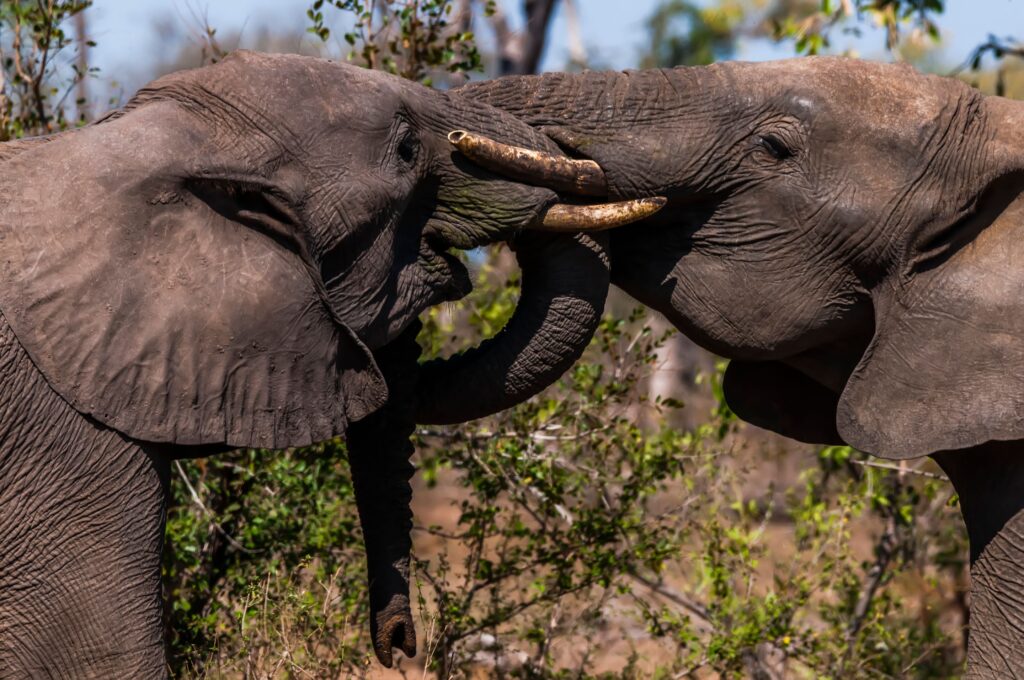
Elephants are another important part of the Masai Mara’s wildlife. They move across the reserve in family groups, feeding on grass, leaves and tree branches. Visitors can watch young elephants walking close to their mothers while older members of the group help protect them. Their large size and calm movements make them wonderful animals to observe.
Leopards are more difficult to find because they are naturally secretive. They often rest in trees, where their spotted coats help them blend with the branches and leaves. They are powerful hunters and usually prefer to live and hunt alone. Seeing a leopard during a game drive is a special moment for many safari visitors.
Buffaloes are commonly found in large herds across the grasslands. They may look calm while grazing, but they are powerful animals and should always be watched from a safe distance. Rhinoceroses are much harder to spot in the Masai Mara because their numbers are low and they need strong protection. Visitors should understand that seeing all five animals is never guaranteed during a safari.
The chance to look for these five famous animals makes every game drive exciting. It is one of the reasons why travellers from Europe, America, Asia and other parts of the world choose the Masai Mara for a Kenya wildlife safari.
3. Large Numbers of Lions and Other Predators
The Masai Mara is famous for having a strong population of large predators. These animals attract wildlife lovers, photographers and researchers who want to understand how nature works. Lions, cheetahs, leopards and spotted hyenas are among the predators that visitors may see during a safari. Their presence makes the reserve one of the most exciting places in Africa for observing wildlife.
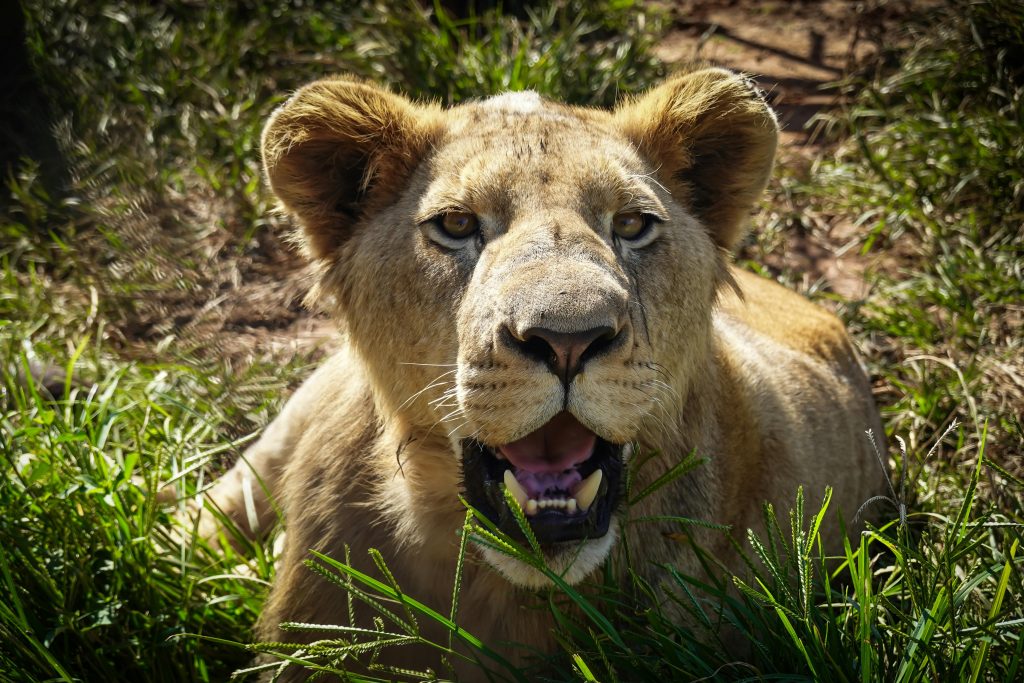
Lions are often the main attraction during game drives. They live in family groups called prides, which may include females, cubs and one or more adult males. During the day, lions spend many hours resting in the shade or lying in the grass. They become more active when the weather is cooler, especially in the early morning and late afternoon. Visitors may see them walking together, caring for their cubs or searching for food.
Cheetahs are famous for their speed. They have slim bodies, long legs and dark marks running down their faces. Unlike lions, cheetahs usually hunt alone or in small family groups. They depend on their speed to catch animals such as gazelles. Watching a cheetah move across the open plains can be one of the most exciting moments of a safari.
Leopards are known for their strength, climbing skills and spotted coats. They often hide in trees or thick bushes during the day. A leopard may carry its food into a tree to keep it away from other predators. Their ability to remain hidden makes every sighting special.
Spotted hyenas are also common in the Masai Mara. They are skilled hunters and also feed on remains left by other predators. They play an important role in keeping the environment clean. Their strong jaws allow them to eat parts of animals that many other predators cannot use.
The relationship between these predators creates a natural balance in the reserve. They compete for food, protect their young and depend on healthy herds of grazing animals. This is why the Masai Mara is a wonderful destination for travellers who want to see real wildlife behaviour rather than animals kept in cages.
4. Beautiful Open Grasslands and Natural Landscapes
The natural beauty of the Masai Mara is another reason it is famous around the world. The reserve has wide open grasslands that stretch across the horizon, creating the classic African safari landscape many people dream of seeing. These plains are covered with different types of grass, small bushes and scattered trees. In some places, the land is flat and open, while other areas have gentle hills and raised viewpoints.
During the rainy seasons, the grasslands become green and fresh. The open plains look full of life as grasses grow, flowers appear and grazing animals spread across the land. This is a good time to see many animals feeding because fresh grass attracts large herds of wildebeest, zebras and gazelles. The green landscape also provides beautiful backgrounds for wildlife photography.
During the dry months, the grass often turns yellow or golden. This gives the reserve a different appearance and makes it easier to see animals moving across the open land. The dry season can create wonderful views of elephants, giraffes and antelopes walking through the grass. The colours of the land change throughout the year, which means the Masai Mara never looks exactly the same.
The reserve also has areas of woodland, rocky hills, river valleys and bushland. These different habitats provide shelter and food for many kinds of wildlife. Some animals prefer open grasslands, while others stay near trees or thicker vegetation. This variety makes the Masai Mara an important home for many species.
Sunrise and sunset are especially beautiful in the reserve. In the early morning, the first sunlight spreads across the grasslands, while mist may appear in low areas. In the evening, the sky can change into shades of orange, pink and red. The sight of an elephant or giraffe walking against the setting sun is a memorable experience for visitors.
The landscapes are not only beautiful but also important for wildlife. They provide grazing areas, breeding grounds and places where animals can move freely. This natural beauty helps explain why the Masai Mara is one of the most photographed safari destinations in the world.
5. Excellent Opportunities for Wildlife Photography
The Masai Mara is one of the most popular destinations in Africa for wildlife photography. Every year, professional photographers, travel writers, filmmakers and ordinary visitors come to capture pictures of animals in their natural surroundings. The reserve offers many opportunities because it has a large variety of wildlife, open landscapes and changing light throughout the day.
Photographers often travel to the Masai Mara to capture the Great Migration. During the migration season, large groups of wildebeest and zebras move across the plains and gather near the Mara River. The river crossings can create powerful photographs, especially when animals enter the water together. Photographers may also capture crocodiles waiting in the river, dust rising from the grass and animals running across the banks.
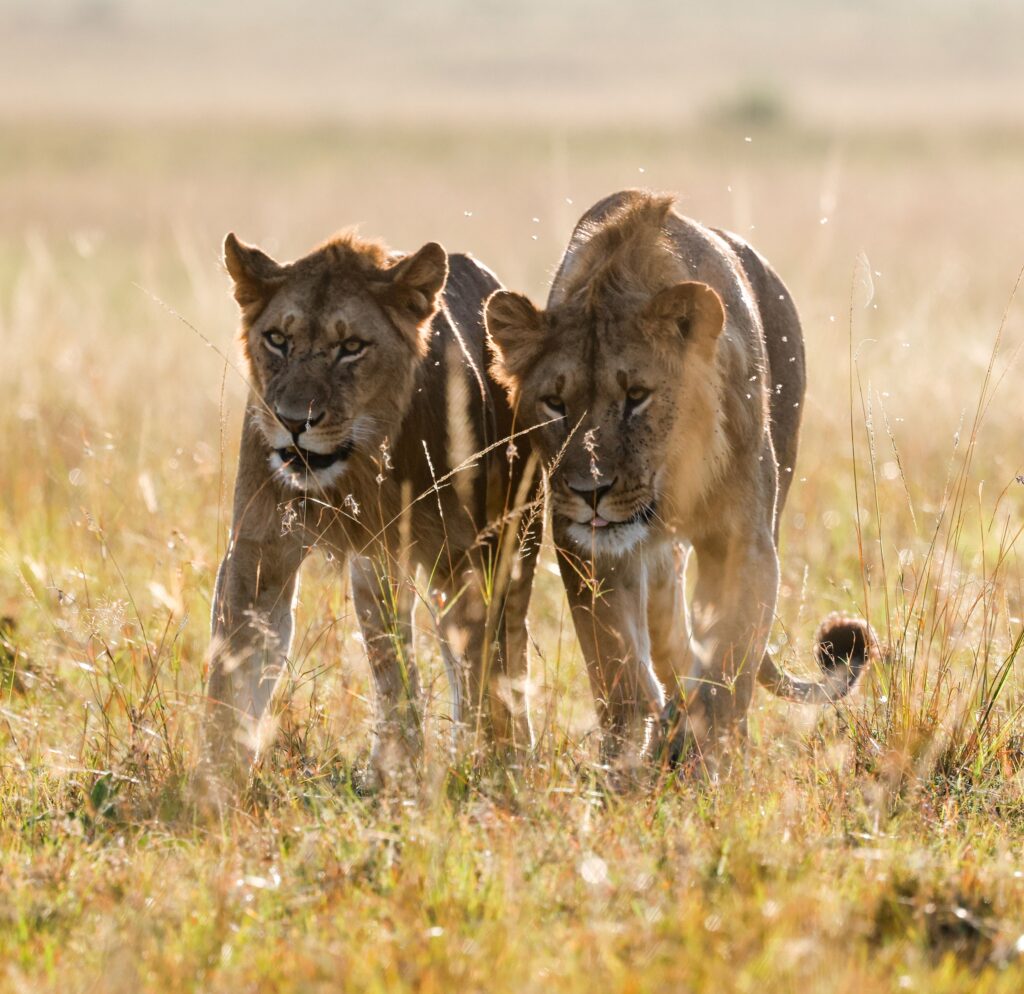
Big cats are another major attraction for photographers. Lions can be photographed resting under trees, walking through the grass or caring for their cubs. Cheetahs provide opportunities to capture speed and movement during a hunt. Leopards are especially interesting because they may be seen resting on branches or carrying prey into trees. These moments are not always easy to find, so patience is important.
The open plains make it easier to photograph animals without thick vegetation blocking the view. This allows visitors to take pictures of elephants, giraffes, zebras, buffaloes and many other species. The changing light also creates different photography opportunities. Early morning and late afternoon are often preferred because the sunlight is softer and the colours are warmer.
Visitors do not need to own expensive cameras to enjoy photography in the Masai Mara. A phone or a simple camera can still capture wonderful memories. However, travellers who want close wildlife pictures may find a camera with a zoom lens useful. It is important to follow the guide’s instructions and keep a safe distance from animals.
The Masai Mara has appeared in many wildlife films, television programmes, books and magazines. Its famous animals and landscapes have helped introduce Kenya’s wildlife to people who have never visited Africa. For photographers, it is a place where every game drive can bring a new subject and a different story.
6. A Rich Variety of Wildlife
The Masai Mara is famous not only for the Big Five and large predators but also for the many other animals that live across its grasslands. The reserve supports a rich variety of mammals, birds and smaller creatures. This makes it a wonderful destination for visitors who want to see more than just lions and elephants.
Zebras are among the animals that visitors often see during game drives. Their black and white stripes make them easy to recognise, and they are commonly found grazing in open areas. During the Great Migration, large numbers of zebras travel with wildebeest in search of fresh grass. They often move together because different grazing habits help them use the available food.
Giraffes are another favourite among safari visitors. Their long necks allow them to reach leaves high on trees, while their height helps them look across the grasslands. Visitors may see them walking slowly across the plains or feeding from acacia trees. Their gentle movements and unusual shape make them popular subjects for photographs.
The reserve is also home to different types of antelopes, including gazelles, topis, elands and hartebeests. These animals are important because they provide food for predators and help maintain the natural balance of the grasslands. Some move in small groups, while others gather in large herds.
Warthogs can often be seen walking through the grass with their tails raised. They use their strong snouts to search for roots and other food in the soil. Hippos live in rivers and pools, where they spend much of the day resting in water to keep cool. At night, they often leave the water to feed on grass.
Visitors may also see jackals, baboons, monkeys, hares and many smaller animals. Each species has its own role in the environment. Some help spread seeds, others feed on insects, and many form part of the food chain.
This variety of wildlife makes every game drive different. A morning drive may begin with a pride of lions and end with giraffes, zebras and gazelles. Another day may bring a rare sighting of a leopard or a large herd of elephants. The wide range of animals is one of the strongest reasons why the Masai Mara is known as one of Africa’s leading safari destinations.
7. The Mara River and Its Famous Crossings
The Mara River is one of the most important natural features of the Masai Mara. It runs through the region and provides water for many animals throughout the year. It is also famous because it forms part of the route used by migrating wildebeest and zebras. During the migration season, the river becomes a major gathering point for thousands of animals moving between Tanzania and Kenya.
The river crossings are among the most talked-about wildlife events in the world. When the herds reach the riverbanks, they may gather for some time before deciding to cross. The animals must deal with moving water, steep banks and crocodiles that live in the river. Once one animal enters the water, others may follow, creating a large movement of wildebeest and zebras.
The crossings are not always easy to predict. Animals may arrive at a crossing point and wait for hours or even days before entering the water. Sometimes they change direction and move along the riverbank instead. This makes the experience exciting but also requires patience from visitors. A safari guide may need to follow the herds and observe their behaviour before choosing where to wait.
Crocodiles are an important part of the river ecosystem. They spend much of their time in the water, waiting for food to come within reach. Hippos also live in the river and can often be seen resting in groups. Birds such as fish eagles and other waterbirds may be spotted along the banks.
Apart from the migration, the Mara River supports wildlife throughout the year. Animals visit it to drink, while vegetation along its banks provides shelter and food. During dry periods, permanent water sources become especially important for wildlife.
The Mara River has become one of the most recognised places in African wildlife photography and documentaries. Its dramatic crossings have helped make the Masai Mara famous in countries around the world. For many travellers, seeing the river and its wildlife is one of the main reasons for choosing a Kenya safari.
8. The Maasai People and Their Rich Culture
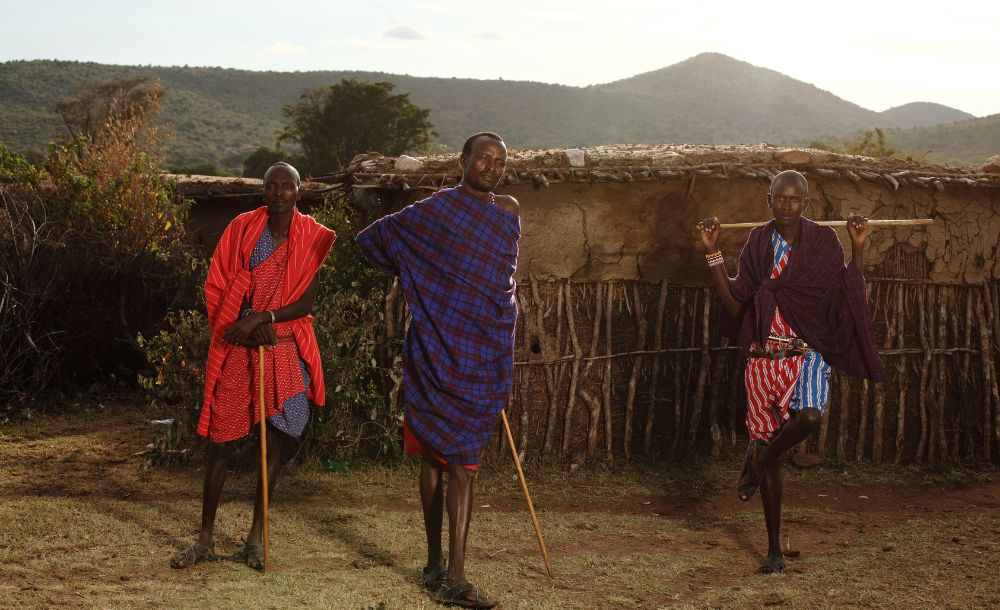
The Masai Mara is not only famous for its wildlife but also for its connection to the Maasai people. The Maasai are one of Kenya’s well-known communities, with a long history in the region. Their culture, clothing, traditions and relationship with livestock form an important part of the area’s identity. Visitors often become interested in learning about their way of life while exploring the reserve.
The Maasai are traditionally known for keeping cattle, sheep and goats. Livestock has played an important role in their homes, food and social life for many generations. Cattle are valued because they provide milk, meat and other resources. In many Maasai communities, livestock also has cultural importance and is connected to family life and traditional ceremonies.
The bright red shuka is one of the most recognised parts of Maasai clothing. Many Maasai people also wear colourful beads, necklaces, bracelets and earrings. Beadwork is an important art, and different colours and designs can carry cultural meaning. Visitors may see beautiful handmade jewellery during a community visit or at local craft markets.
Traditional Maasai homes are often built using locally available materials. A group of homes may form a village, sometimes called a manyatta. During a cultural visit, visitors may learn about house construction, traditional food, family life and the role of livestock. Some communities also share traditional songs and dances with guests.
One famous cultural performance is the traditional jumping dance, often known as adumu. During the dance, young men take turns jumping high while others sing and keep the rhythm. It is an important cultural performance and is often shared during special events and organised visitor experiences.
Cultural visits should always be arranged respectfully. Travellers should ask before taking photographs and understand that communities are not simply tourist attractions. A good visit allows local people to share their knowledge, traditions and crafts while receiving fair payment for their time.
The connection between the Maasai people and the land makes the Masai Mara special. It reminds visitors that the region has a human history as well as a natural one. This cultural experience adds another reason why people from around the world choose to visit the Masai Mara.
9. One of the Best Places to See Cheetahs in the Wild
The Masai Mara is famous for its cheetahs and is one of the best-known places in Africa for observing these fast and graceful cats. Cheetahs prefer open grasslands because they need space to watch their prey and run at high speed. The wide plains of the Masai Mara provide a suitable environment for them to hunt and raise their young.
Cheetahs have slim bodies, long legs, small heads and a spotted coat. They also have dark lines running from the corners of their eyes down towards their mouths. These marks are often called tear marks. Their bodies are built for speed, allowing them to chase animals such as gazelles across open ground.
Unlike lions, cheetahs usually hunt during the day. They may spend time resting on small hills, termite mounds or areas where they can see across the grasslands. From these raised places, they watch for prey and choose a suitable moment to begin a hunt. A cheetah hunt can be very quick, but it does not always end successfully. The prey may escape, or the cheetah may stop because the chase requires a lot of energy.
Female cheetahs usually raise their cubs alone. The cubs depend on their mother for food, protection and hunting lessons. Watching a mother cheetah move with her young is a special experience for safari visitors. However, young cheetahs face many dangers, including other predators and changes in their environment.
Cheetahs are different from lions and leopards in the way they live and hunt. They are generally less powerful when facing larger predators, so they must be careful around other animals. They may lose their food to lions or hyenas if they are not able to protect it.
The Masai Mara gives visitors an opportunity to learn about these animals in their natural surroundings. A skilled guide can help identify a cheetah from a distance and explain its behaviour. This is one reason why wildlife photographers and nature lovers travel from around the world to the reserve.
10. A Wonderful Destination for Birdwatching
The Masai Mara is also famous for birdwatching. Although many visitors come mainly to see lions, elephants and the Great Migration, the reserve has a rich birdlife that makes it attractive to bird lovers. Different habitats, including grasslands, rivers, woodlands and marshy areas, provide food and shelter for many bird species.

Visitors may see large birds such as ostriches, secretary birds, vultures and eagles. Ostriches are the largest living birds and are often seen walking across open plains. Secretary birds are known for their long legs and their habit of walking through grass while searching for snakes and other small animals.
The lilac-breasted roller is one of the most colourful birds found in the region. Its bright feathers make it a favourite subject for photographers. It may be seen sitting on a branch or wire while looking for insects. Other birds, such as bee-eaters, hornbills and weavers, add more colour and movement to the landscape.
Birds of prey are also an important part of the Masai Mara ecosystem. Eagles and hawks search for smaller animals, while vultures help clean the environment by feeding on remains left by predators. This natural process reduces waste and helps keep the ecosystem healthy.
The rivers and wet areas attract waterbirds such as herons, storks and kingfishers. Visitors may also see African fish eagles near the water, where they search for fish. Different birds can be spotted at different times of the day, so a slow game drive can be rewarding for birdwatchers.
Birdwatching does not require visitors to travel during the Great Migration. The reserve offers birdlife throughout the year, although the types of birds present may change with the seasons. A knowledgeable guide can help identify different species and explain their calls, colours and feeding habits.
For travellers who enjoy nature, birds add another level of interest to a Masai Mara safari. Even when large mammals are resting or difficult to find, the skies, trees and grasslands remain full of activity.
11. Exciting Game Drives Throughout the Year
Game drives are one of the main activities that make the Masai Mara famous. They allow visitors to explore the reserve in a safari vehicle while looking for animals in their natural habitat. A game drive can be exciting because no two days are exactly the same. One morning may bring a lion sighting, while another may offer a large elephant herd, a cheetah or a group of giraffes.
Most visitors enjoy early morning game drives because many animals are active when the weather is cool. Predators may be returning from a night of hunting, while grazing animals begin searching for food. The soft morning light also creates good conditions for photography. Guides use their knowledge of the reserve to find wildlife and explain what is happening around them.
Afternoon game drives are another popular activity. As the temperature begins to fall, animals may become more active again. Visitors can explore different areas of the reserve and look for animals that were not seen during the morning. The late afternoon light can also make the grasslands look golden and beautiful.
A full-day game drive is a good choice for travellers who want more time to explore. Visitors can carry a picnic lunch and spend several hours moving through different parts of the reserve. This gives them a chance to visit rivers, open plains and areas where wildlife is known to gather. A full-day drive can be especially useful during the migration season when visitors hope to follow the herds.
The quality of a game drive depends on several things, including the season, weather, guide’s knowledge and animal movements. Wildlife is free to move wherever it chooses, so sightings cannot be guaranteed. Visitors should enjoy the experience rather than expecting to see every animal on a list.
Game drives also teach travellers about nature. Guides explain animal behaviour, tracks, feeding habits and the relationship between predators and prey. This makes the Masai Mara more than a place for taking photographs. It becomes a chance to learn about the natural world.
12. Famous Wildlife Documentaries and International Recognition
The Masai Mara is known around the world partly because it has appeared in wildlife documentaries, television programmes, nature films and travel publications. These programmes have helped people understand the beauty of Kenya’s wildlife, even if they have never visited the country. Images of lions walking across the plains, cheetahs hunting and wildebeest crossing rivers have become familiar to audiences in many parts of the world.
Wildlife filmmakers are attracted to the Masai Mara because it offers a wide range of animals and natural events. The Great Migration provides some of the most dramatic scenes in nature. Large herds move across open land, gather near rivers and face dangers along their journey. These moments allow filmmakers to show how animals survive and respond to changes in their environment.
The reserve is also an important place for filming predator behaviour. Lions hunt, cheetahs chase prey and hyenas compete for food. These scenes help viewers understand the challenges animals face in the wild. Filmmakers may spend many hours or days waiting for a particular event, because wildlife does not follow a schedule.
International travel magazines and wildlife photographers have also helped build the Masai Mara’s reputation. Pictures of elephants against Mount Kilimanjaro, lions in golden grass and wildebeest moving across the plains have encouraged many people to plan a safari in Kenya.
The reserve is recognised as part of the wider Mara-Serengeti ecosystem, which is important for the movement of wildlife across Kenya and Tanzania. Its natural importance has made it a subject of conservation work and scientific study.
International attention brings benefits, including tourism income and support for wildlife protection. However, it also creates a responsibility to manage tourism carefully. Too many vehicles around an animal can disturb its natural behaviour. Visitors and guides should follow reserve rules and respect wildlife.
The Masai Mara’s place in documentaries and travel stories has helped make it one of Africa’s most recognised safari destinations. Its reputation continues to attract people who want to experience the landscapes and animals they have seen on television.
13. The Opportunity to See Wildlife in Its Natural Home
One of the most special things about the Masai Mara is that visitors can see wild animals living freely in their natural environment. Unlike a zoo, the reserve does not keep its wildlife in cages or small enclosures. Animals move across large areas, search for food, raise their young and interact with other species according to their natural behaviour.
This freedom makes every safari different. A lion may be resting under a tree in the morning and walking across the plains later in the day. A herd of elephants may be feeding near a river, while a group of zebras moves towards fresh grass. Visitors cannot control where animals go, which makes wildlife viewing a real adventure.
Seeing animals in the wild also helps people understand the challenges they face. Grazing animals must find enough food and water, while predators need to hunt to survive. Young animals depend on their mothers for protection and learning. During dry seasons, animals may travel long distances to reach water and fresh grass.
The natural environment is important for the health of wildlife. Open grasslands provide grazing areas, rivers supply water and trees offer shade and shelter. Each part of the ecosystem has a role to play. If one part is damaged, it can affect many other species.
Visitors should remember that wild animals are not trained to perform for tourists. They may hide, sleep, move away or remain far from the road. A good safari guide understands this and gives animals space. Visitors should avoid shouting, feeding animals or asking drivers to chase them.
The chance to observe wildlife without disturbing it is one of the greatest experiences offered by the Masai Mara. Travellers can watch animals behave naturally and learn how they survive in the African wilderness. This experience helps create respect for nature and encourages people to support wildlife conservation.
14. Beautiful Sunrises and Sunsets
The Masai Mara is famous for its beautiful sunrises and sunsets. The open grasslands create wide views of the sky, allowing visitors to enjoy the changing colours of the day. These natural scenes are a favourite part of the safari experience and often become some of the most memorable moments of a Kenya holiday.
Early in the morning, the reserve begins to wake up as the sun rises over the plains. The sky may change from dark blue to soft orange and gold. Grass covered with morning dew can shine in the first light, while birds begin calling from nearby trees. Animals such as zebras, giraffes, elephants and antelopes may be seen moving across the grasslands.
Morning game drives are popular because the cooler weather encourages many animals to become active. Predators may be returning from hunting, while grazing animals begin feeding. The early light is also good for taking photographs because it creates softer shadows and warm colours.
Sunsets in the Masai Mara are equally special. As the sun moves towards the horizon, the grasslands may turn golden and the sky can become orange, pink or red. Trees and hills create dark shapes against the bright sky. Visitors may see elephants walking in the distance or giraffes feeding while the sun goes down.
Many safari travellers enjoy stopping at suitable viewpoints to take photographs of the landscape. Guides choose safe places where visitors can enjoy the view without disturbing wildlife or breaking reserve rules. These moments provide a peaceful break after an exciting day of game drives.
The beauty of the sunrise and sunset is not limited to photography. It also gives visitors time to appreciate the quiet side of the wilderness. The Masai Mara is often busy with wildlife activity, but these peaceful moments remind travellers why natural places are worth protecting.
The changing light makes the reserve beautiful at different times of the day. Whether visitors are watching the first rays of sunlight or enjoying the final colours of the evening, the scenery adds to the worldwide fame of the Masai Mara.
15. Hot Air Balloon Safaris Over the Masai Mara
A hot air balloon safari is one of the most memorable activities available in the Masai Mara. It gives visitors a chance to see the reserve from above, offering a different view from the usual game drive. Instead of travelling along the ground in a safari vehicle, guests rise into the sky and float over the open grasslands.
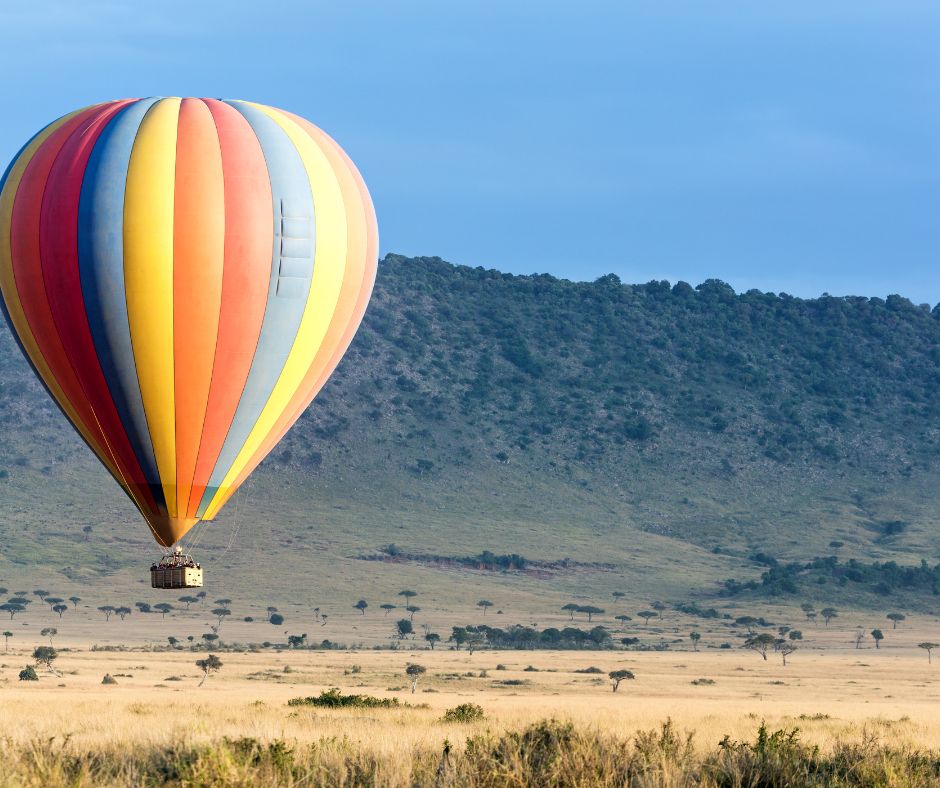
Balloon safaris usually begin very early in the morning, before sunrise. Visitors are collected from their camps or lodges and taken to the launch area. After a safety briefing, they watch as the balloon is prepared and filled with hot air. Once it is ready, passengers climb into the basket and prepare for the flight.
As the balloon rises, the landscape begins to open below. Visitors may see rivers, hills, open plains and groups of animals moving through the grass. Depending on the location, season and weather, it may be possible to spot elephants, giraffes, zebras, wildebeest and other wildlife from above.
The early morning light creates beautiful views for photography. The grasslands may appear golden, while the sky slowly changes colour as the sun rises. From the balloon, visitors can understand how large the reserve is and how wildlife moves across the open land.
After landing, many balloon safari operators arrange a breakfast in the bush. This is often a special part of the experience, allowing guests to enjoy a meal in the wilderness before returning to their accommodation or continuing with their day’s activities.
Hot air balloon safaris are normally offered at an extra cost and should be booked in advance, especially during busy travel periods. The flight depends on weather conditions, and operators may delay or cancel it if the conditions are not safe.
This activity is popular with honeymooners, families and travellers looking for something different. It also attracts photographers who want wide views of the Mara landscape. The chance to see wildlife from the air makes the Masai Mara even more famous as a world-class safari destination.
16. A Special Place for Family Safaris
The Masai Mara is a popular destination for families who want to enjoy a wildlife holiday together. It offers an opportunity for children and adults to learn about animals, explore nature and spend time away from busy towns and cities. A family safari can be both exciting and educational because visitors get to see wildlife while learning about the environment.
Children may enjoy seeing animals they have only read about in books or watched on television. A lion resting in the grass, an elephant walking with its young or a giraffe feeding from a tree can create strong memories. Parents also have the chance to teach children about wildlife protection, animal behaviour and the importance of natural habitats.
Families can choose different types of accommodation depending on their budget and needs. Some camps and lodges offer family rooms, connecting rooms or family tents. Others provide special activities for children, such as nature walks in safe areas, drawing, wildlife talks and cultural learning experiences. Families should check age limits and activity rules before booking.
A private safari vehicle can be useful for families because it gives them more control over their daily schedule. Parents can choose suitable game drive times, take breaks when needed and spend more time watching animals that interest their children. However, families should also consider the length of road transfers and the age of the children before choosing an itinerary.
Safety is important during a family safari. Children should always follow the guide’s instructions and remain inside the vehicle unless the guide has chosen a safe place for them to leave it. Wild animals should never be approached or fed. Families should also carry suitable clothing, sun protection, drinking water and any items children may need during the journey.
The Masai Mara offers a wonderful way for families to enjoy Kenya’s natural beauty together. It can help children develop an interest in wildlife and conservation while giving parents a chance to relax and enjoy the safari experience.
17. A Romantic Destination for Honeymoon Safaris
The Masai Mara is also famous as a romantic destination for couples, especially those planning a honeymoon or a special holiday. Its wide landscapes, beautiful sunsets, luxury camps and exciting wildlife experiences create a setting where couples can enjoy time together away from busy daily life.
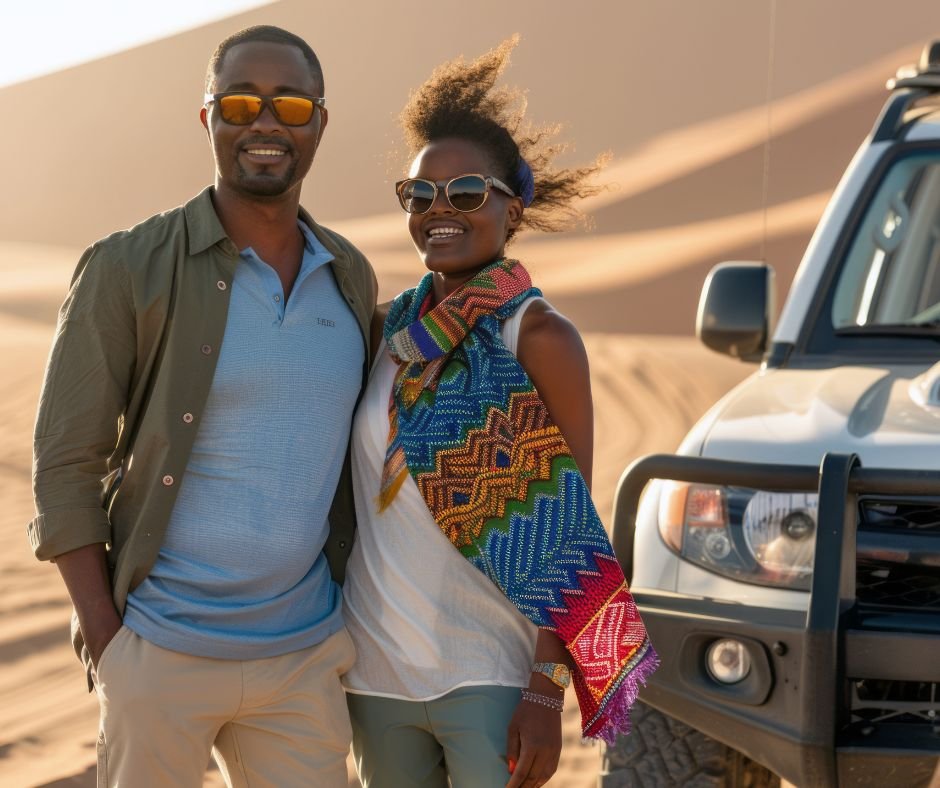
Many safari camps and lodges offer special services for honeymoon guests. These may include decorated rooms, private dinners, outdoor dining, special room arrangements and quiet places where couples can enjoy the views. Some properties also offer private vehicles, allowing couples to explore the reserve at their own pace.
A morning game drive can be a wonderful way to begin the day. Couples may watch elephants walking across the plains, lions resting under trees or giraffes feeding in the distance. The experience becomes even more special when a guide finds an interesting wildlife sighting and takes time to explain what is happening.
Hot air balloon safaris are another popular choice for couples. Floating above the grasslands as the sun rises offers a peaceful and memorable experience. Some balloon operators arrange breakfast after landing, giving couples an opportunity to enjoy a special meal in the bush.
In the evening, couples can relax at their camp or lodge after a day of wildlife viewing. Some accommodation providers arrange private dining experiences where guests can enjoy dinner under the stars. The quiet surroundings, fresh air and sounds of the wilderness create a different atmosphere from ordinary city life.
The Masai Mara offers different accommodation levels, from comfortable safari camps to high-end luxury lodges. Couples can select a property that suits their budget and preferred style of travel. A honeymoon itinerary can also be combined with other destinations in Kenya, such as Lake Nakuru, Amboseli or Diani Beach.
The combination of wildlife, beautiful scenery and special accommodation makes the Masai Mara a strong choice for romantic holidays. It gives couples an opportunity to celebrate an important moment while discovering one of Africa’s most famous natural destinations.
18. Luxury Safari Camps and Lodges
The Masai Mara is well known for its wide range of safari accommodation. Visitors can choose from simple camps, comfortable tented camps, mid-range lodges and high-end luxury properties. This variety makes it possible for different types of travellers to enjoy the reserve, whether they are looking for an affordable safari or a special luxury holiday.
Luxury safari camps are popular because they combine comfort with a natural setting. Many have large tents or rooms with private bathrooms, comfortable beds, dining areas and outdoor spaces where guests can relax. Some properties offer views of open grasslands, rivers or areas where wildlife may pass nearby. However, animals are free to move, so sightings near accommodation cannot be guaranteed.
Some high-end camps provide private game drives, personal service, swimming pools, spa treatments and special dining experiences. Guests may also enjoy bush breakfasts, sundowners and guided nature activities where permitted. These services make luxury safaris attractive to honeymooners, families and travellers who want a more personal experience.
Mid-range accommodation provides a balance between comfort and cost. It may include en-suite tents, restaurant facilities, hot showers and organised game drives. Budget camps are also available for travellers who want to spend more of their money on wildlife activities and less on accommodation.
The location of a camp or lodge is important when planning a safari. Some properties are inside the reserve, while others are in private conservancies or community areas around it. The location can affect access to wildlife viewing areas, game drive arrangements, park fees and the activities available. Travellers should check these details before making a booking.
The choice of accommodation can change the overall safari experience. A well-located camp, a knowledgeable guide and a suitable vehicle can make a big difference to the quality of a trip.
The range of accommodation is one reason why the Masai Mara attracts visitors with different travel budgets. Whether someone wants a simple tented camp or a luxury safari lodge, there are options to suit many styles of holiday.
19. The Importance of Wildlife Conservation
The Masai Mara is famous for its wildlife, but it is also an important area for conservation. Conservation means protecting animals, plants and natural habitats so that they can survive for future generations. The reserve and the wider Mara ecosystem provide a home for many species, including animals that face dangers from habitat loss, illegal hunting and changes in the environment.
Wildlife needs enough space to move, feed, breed and find water. The open grasslands of the Mara are important because many animals depend on them for survival. When natural habitats become smaller or are damaged, animals may struggle to find food and safe places to live. Protecting the land helps maintain the balance of the ecosystem.
Rangers and conservation teams play an important role in protecting wildlife. They help monitor animals, respond to threats and support the enforcement of conservation rules. Their work may include patrols, wildlife monitoring and community education. These efforts help reduce illegal activities and improve the safety of animals.
Local communities are also important in conservation. People living around the reserve share the same wider landscape with wildlife. Conservation programmes that involve communities can help create benefits through jobs, tourism income, education and support for local projects. When communities benefit from protecting wildlife, they have stronger reasons to support conservation.
Tourism can provide money for conservation through park fees, accommodation, employment and other services. Visitors also help create demand for responsible safari businesses that respect nature. However, tourism must be managed carefully. Too many vehicles around animals, littering and careless behaviour can disturb wildlife and damage the environment.
Travellers can support conservation by choosing responsible tour operators, following park rules, avoiding wildlife disturbance and respecting local communities. They should never encourage guides to drive too close to animals or block their movement.
The future of the Masai Mara depends on protecting its wildlife and natural landscapes. Conservation helps ensure that the reserve remains a place where animals can live freely and visitors can continue to enjoy one of Africa’s greatest safari experiences.
20. The Mara-Serengeti Ecosystem
The Masai Mara is part of a much larger natural area known as the Mara-Serengeti ecosystem. This ecosystem stretches across south-western Kenya and northern Tanzania. It includes the Masai Mara National Reserve and Tanzania’s Serengeti National Park, together with other protected and community areas. The region is important because animals move across it in search of food, water and suitable places to live.
The Great Wildebeest Migration is one of the clearest examples of how connected this ecosystem is. Wildebeest, zebras and gazelles do not recognise national borders. They follow rainfall and the growth of fresh grass, moving between different parts of Kenya and Tanzania throughout the year. Their journey helps support predators and other animals that depend on the herds.
The ecosystem contains different types of natural habitats. These include open grasslands, woodland, river areas and seasonal wetlands. Each habitat supports different plants and animals. Some species prefer open plains, while others depend on trees, bushes or water sources. This variety helps explain why the region supports such a large amount of wildlife.
The Mara and Serengeti also show why conservation must happen across borders. Protecting wildlife in only one country may not be enough if animals need to travel through other areas to reach food and water. Kenya and Tanzania therefore have an important shared responsibility to protect the wider ecosystem.
Human activities can affect wildlife movement. Roads, settlements, fences and changes in land use may reduce the space available for animals. Conservation groups and communities work to find ways of protecting important wildlife routes while supporting the needs of people who live in the region.
For visitors, the connection between the Masai Mara and Serengeti makes the migration even more interesting. It shows that the animals are part of a much larger natural story. The Masai Mara is not an isolated wildlife area but an important part of one of the world’s most recognised ecosystems.
21. A Great Destination for Learning About Nature
The Masai Mara is an excellent place for people who want to learn about nature. A safari is not only about seeing animals and taking photographs. It also gives visitors an opportunity to understand how wildlife lives, how animals depend on one another and why natural habitats need protection.
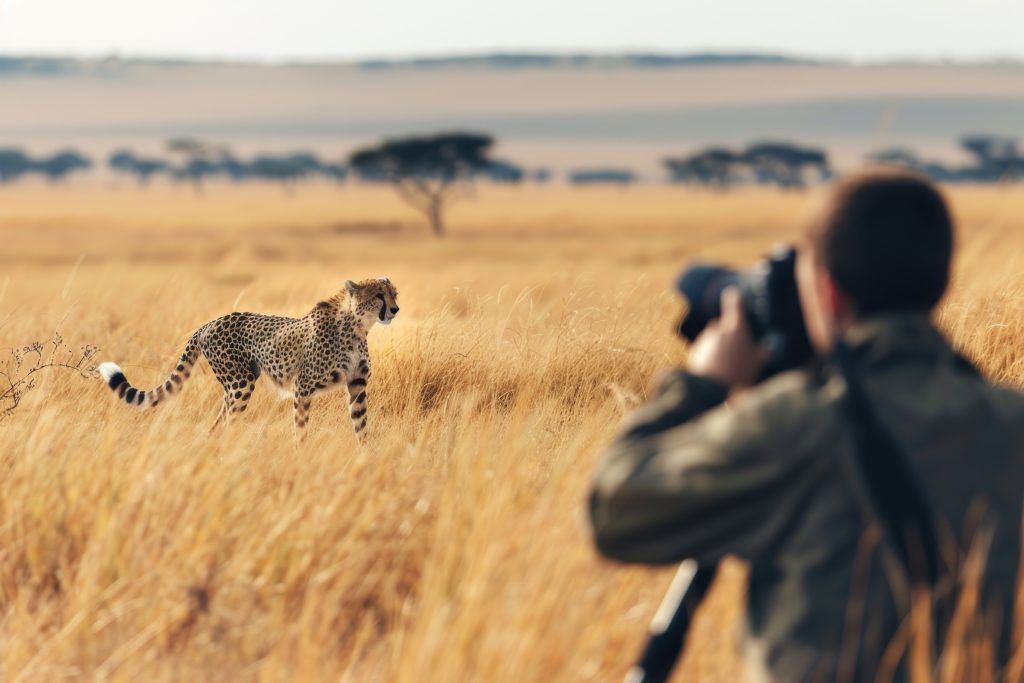
During a game drive, a trained guide can explain the behaviour of different animals. Visitors may learn why elephants move in family groups, how lions work together when hunting and why cheetahs prefer open grasslands. Guides can also explain the differences between animal tracks, feeding marks and other signs of wildlife.
The food chain is one of the most interesting subjects visitors can learn about. Grazing animals such as zebras, wildebeest and gazelles feed on grass and plants. Predators such as lions, cheetahs and leopards depend on other animals for food. Scavengers such as vultures and hyenas help use remains left behind. Each group has a role in the natural system.
Visitors can also learn how rainfall affects wildlife. When rain falls, fresh grass grows and attracts grazing animals. When the land becomes dry, animals may travel further to find water and food. This helps explain why the Great Migration takes place and why wildlife movements change throughout the year.
Birdwatching offers another learning opportunity. Guides can help visitors identify birds by their colours, calls, shapes and behaviour. They may explain how different birds feed, build nests or hunt for food. Even small creatures such as insects and reptiles can teach visitors something about the environment.
Children can benefit greatly from these experiences because they learn through direct observation. Seeing a real elephant or watching a group of zebras move across the plains can make nature lessons more interesting than reading about them in a book.
The Masai Mara helps visitors develop a better understanding of the natural world. It shows that every animal, plant and habitat has a purpose. This educational value is another reason why the reserve attracts people from around the world.
22. Different Safari Experiences for Different Budgets
The Masai Mara is famous for attracting different types of travellers because it offers several safari options. Some visitors want a simple and affordable trip, while others prefer a comfortable lodge or a luxury safari camp. This variety allows people with different budgets to enjoy the wildlife and landscapes of the reserve.
Budget safaris are suitable for travellers who want to experience the Masai Mara without spending too much on accommodation. These trips may use basic tented camps or simple lodges. Guests can still enjoy game drives, wildlife viewing and the beauty of the reserve. The level of comfort may be more basic, but the natural experience can still be rewarding.
Mid-range safaris offer more comfort while keeping costs within a moderate range. Accommodation may include en-suite tents, comfortable rooms, restaurant services and other facilities. These trips are popular with couples, families and small groups who want a balance between price and comfort.
Luxury safaris provide a more private and personalised experience. Guests may stay in high-end tented camps or lodges with spacious rooms, private bathrooms, fine dining and special services. Some properties offer private vehicles, swimming pools, spa treatments and exclusive activities. These options are often chosen by honeymooners and travellers celebrating special occasions.
The total cost of a Masai Mara safari depends on several factors. These include the travel season, number of days, accommodation type, group size, transport method, park fees and activities. Prices are often higher during busy migration months, especially when demand for accommodation is strong.
Travellers should also consider whether they prefer a private safari or a group-joining trip. Private safaris offer more flexibility, while group safaris can reduce the cost per person by sharing transport and guide expenses.
Planning early can help visitors find suitable accommodation and secure better choices, especially during popular travel periods. It is also important to compare what is included in each package. A low price may not include park fees, meals or some activities.
The wide range of safari choices makes the Masai Mara suitable for many travellers. Visitors can choose an experience that matches their budget without losing the chance to enjoy Kenya’s famous wildlife.
23. The Best Time to Visit the Masai Mara
The Masai Mara can be visited throughout the year, but the best time depends on what a traveller wants to see. Some visitors plan their holidays around the Great Wildebeest Migration, while others prefer quieter months, green landscapes or good conditions for general wildlife viewing. Understanding the seasons helps travellers choose a suitable time for their safari.
The months from July to October are often popular because large numbers of wildebeest and zebras may be in the Masai Mara during the migration period. The herds move across the grasslands and may gather near the Mara River. Visitors who hope to see river crossings often choose these months. However, the exact timing depends on rainfall and grass conditions, so sightings cannot be guaranteed.
January and February can also be good months for wildlife viewing. The weather is often warmer and many areas have suitable conditions for game drives. Visitors may see lions, elephants, cheetahs, giraffes and many other animals. These months can be attractive to travellers who are not mainly interested in the migration.
The rainy periods usually bring greener landscapes. The grass grows, flowers may appear and the reserve can look very fresh. Some roads may become muddy, and heavy rain can affect driving conditions. However, the green season can provide beautiful scenery and good opportunities for photography.
The dry months often make it easier to find animals around water sources and open grasslands. Shorter grass may also improve visibility in some areas. Still, wildlife movements change naturally, and no season can guarantee every sighting.
Travellers should consider their budget and preferred accommodation when choosing travel dates. The busiest months may have higher prices and limited room availability. Booking early is especially important for popular camps and lodges during the migration season.
There is no single perfect time for every visitor. Those hoping to see the migration may prefer July to October, while travellers interested in general wildlife and quieter conditions may consider other months. The Masai Mara offers a different experience throughout the year, making it a destination worth visiting in every season.
24. The Role of Local Guides in Making Safaris Special
Local safari guides play a very important role in the Masai Mara experience. They help visitors explore the reserve, understand wildlife behaviour and learn about the local environment. A good guide can make a safari more interesting because they know how to read animal tracks, recognise different calls and understand where certain animals may be found.
Guides spend many hours travelling through the reserve and learning about the behaviour of wildlife. They may recognise fresh tracks on the ground or notice signs that an animal has recently passed through an area. This knowledge helps them decide where to drive and where to spend more time looking for wildlife.
A guide also helps visitors understand what they are seeing. For example, they may explain why lions are resting during the day, how elephants communicate or why zebras and wildebeest move together. These explanations turn a simple animal sighting into a chance to learn something new.
Local guides often have a strong understanding of the region’s history, culture and natural environment. They can share information about the Maasai community, local plants, traditional ways of life and the challenges facing wildlife. This makes the safari more meaningful for visitors who want to understand the destination beyond its animals.
Safety is another important part of a guide’s work. Wild animals can be dangerous, so visitors need to follow instructions and respect the rules of the reserve. Guides know how to position the vehicle, when to keep a safe distance and when it is better to leave an animal alone.
Choosing a responsible safari company with trained guides can improve the overall experience. Visitors should look for operators who respect wildlife, use suitable vehicles and follow park regulations.

The Masai Mara’s wildlife is the main attraction, but the people who help visitors explore it are also important. Their knowledge, patience and experience help make every safari more enjoyable and informative.
25. Why the Masai Mara Is Important to Kenya’s Tourism Industry
The Masai Mara is one of Kenya’s most important tourism destinations. It attracts visitors from many countries who travel to see wildlife, experience local culture and enjoy the beauty of the African wilderness. Tourism in the reserve supports many businesses and provides jobs for people living in the surrounding areas.
Safari visitors spend money on accommodation, transport, park fees, guiding services, meals and other activities. This creates income for hotels, camps, tour operators, drivers, guides, restaurants and local suppliers. Many people depend on tourism for their daily work, making the Masai Mara important to the wider Kenyan economy.
Tourism also creates opportunities for local communities. Some people work in camps and lodges, while others sell handmade crafts, provide transport or take part in cultural experiences. Community projects may also benefit from tourism income through education, health services and other local programmes.
The international fame of the Masai Mara helps promote Kenya as a safari destination. When travellers share pictures and stories from their holidays, they encourage other people to visit the country. Wildlife documentaries and travel publications also help introduce Kenya to new audiences.
The reserve plays a major role in the country’s safari image because it offers experiences that many visitors associate with Africa. These include seeing lions, elephants, giraffes, wildebeest and the Great Migration. For many international travellers, a visit to the Masai Mara is a key part of their first trip to Kenya.
However, tourism must be managed responsibly. Too many visitors or poorly controlled activities can disturb wildlife and affect the natural environment. Tour operators, accommodation providers, guides and visitors all have a role in protecting the reserve.
The future of tourism depends on keeping the Masai Mara healthy and attractive while ensuring that local communities benefit. When tourism supports conservation and creates fair opportunities, it can help protect the wildlife that makes Kenya famous.
26. Combining the Masai Mara with Other Kenyan Safari Destinations
The Masai Mara is a wonderful destination on its own, but many travellers choose to combine it with other places in Kenya. This allows visitors to see different landscapes, animals and activities during one holiday. Kenya has several famous national parks, lakes and coastal destinations that can be included in a longer safari.
Lake Nakuru National Park is a popular stop for travellers moving between the Masai Mara and other parts of the country. It is known for its rhinos, birdlife and beautiful lake scenery. Visitors may see white rhinos, black rhinos, buffaloes, giraffes and other wildlife during a game drive. The park offers a different setting from the open grasslands of the Mara.
Amboseli National Park is another popular destination. It is famous for its large elephant herds and views of Mount Kilimanjaro. On clear days, the mountain creates a beautiful background for wildlife photography. Visitors can enjoy game drives while looking for elephants, lions, zebras, giraffes and many bird species.
Lake Naivasha offers a different kind of nature experience. Visitors can enjoy boat rides, look for hippos in the water and watch birds along the lake. Crescent Island is also known for walking experiences among grazing wildlife when conditions and arrangements allow.
Samburu National Reserve is famous for animals that are less common in other parts of Kenya. These include the reticulated giraffe, Grevy’s zebra, Somali ostrich, Beisa oryx and gerenuk. The reserve offers a different landscape and a chance to learn about northern Kenya.
After a safari, some travellers choose to relax at Diani Beach on the Kenyan coast. It is known for its white sand, warm ocean and beach resorts. Visitors can enjoy swimming, boat trips and other coastal activities.
Combining the Masai Mara with other destinations creates a varied Kenya holiday. Travellers can enjoy wildlife, lakes, mountains and beaches in one trip. This flexibility is another reason why the Masai Mara is an important part of many international Kenya safari itineraries.
27. Why International Travellers Choose the Masai Mara
Travellers from many parts of the world choose the Masai Mara because it offers a combination of wildlife, natural beauty and memorable safari activities. For some visitors, it is a dream destination they have seen in wildlife documentaries. Others come because they want to experience the Great Migration, photograph big cats or enjoy a holiday in the African wilderness.
The reserve has a strong reputation for wildlife viewing. Visitors have a chance to see lions, elephants, cheetahs, leopards, buffaloes, giraffes, zebras and many other animals. Although sightings are never guaranteed, the large amount of wildlife makes the Masai Mara a popular choice for people who want a classic African safari.
The Great Migration is another major reason for international travel. Many visitors plan their holidays around the movement of wildebeest and zebras, especially during the months when the herds may be in Kenya. The chance to witness a river crossing attracts wildlife photographers and nature lovers from different countries.
The Masai Mara also offers different accommodation styles and safari packages. Visitors can choose private safaris, group trips, budget camps, mid-range lodges or luxury tented camps. This gives travellers flexibility when planning their holidays.
Kenya’s international airports and safari tourism services also make the country an important starting point for visitors exploring East Africa. Travellers may begin their holiday in Nairobi before travelling to the Masai Mara by road or air. Some also combine Kenya with Tanzania or other East African destinations.
For many people, a Masai Mara safari is more than an ordinary holiday. It is a chance to see animals in the wild, learn about a different environment and create memories that may last for many years. The reserve offers something special for photographers, families, couples, birdwatchers and adventure travellers.
Its international reputation continues to grow because the Masai Mara provides experiences that are difficult to find in many other places. The wildlife, landscapes, culture and safari activities make it one of the most recognised destinations in Africa.
Frequently Asked Questions About Why the Masai Mara Is Famous
1. Why is the Masai Mara famous around the world?
The Masai Mara is famous for the Great Wildebeest Migration, large numbers of wildlife, the Big Five, lions, cheetahs, beautiful grasslands and Maasai culture. It is also known for wildlife photography, game drives and hot air balloon safaris.
2. What is the best time to visit the Masai Mara?
July to October is a popular period because the Great Migration may be in the Masai Mara. However, the reserve can be visited throughout the year, and visitors can enjoy wildlife viewing in other months too.
3. Can visitors see the Big Five in the Masai Mara?
Yes. The reserve is home to lions, elephants, leopards, buffaloes and rhinoceroses. However, seeing all five animals during one safari is not guaranteed, especially because rhinos and leopards can be difficult to find.
4. What is the Great Wildebeest Migration?
The Great Wildebeest Migration is the seasonal movement of millions of wildebeest, together with zebras and gazelles, between the Serengeti in Tanzania and the Masai Mara in Kenya. The animals move in search of fresh grass and water.
5. How many days are enough for a Masai Mara safari?
Three days is a good starting point for many visitors. It allows time for several game drives and a chance to explore different parts of the reserve. Travellers who want a slower experience or hope to follow the migration may prefer four or more days.
6. Is the Masai Mara suitable for families?
Yes. Families can enjoy wildlife viewing, learn about nature and choose accommodation with suitable family facilities. Parents should consider the ages of their children, road travel times and the length of game drives when planning.
7. Can visitors enjoy the Masai Mara without travelling during the migration?
Yes. The Masai Mara has wildlife throughout the year. Visitors can look for lions, elephants, cheetahs, giraffes, zebras, buffaloes and many birds even when the main migration herds are outside the reserve.
8. What activities can visitors enjoy in the Masai Mara?
Popular activities include morning and afternoon game drives, full-day game drives, hot air balloon safaris, birdwatching and organised cultural visits with local Maasai communities.
Conclusion: The Masai Mara Is One of Africa’s Greatest Wildlife Treasures
The Masai Mara is famous around the world because it offers a rare combination of wildlife, natural beauty, culture and unforgettable safari experiences. From the Great Wildebeest Migration to the Big Five, the reserve gives visitors a chance to see some of Africa’s most recognised animals in their natural home. Its open grasslands, rivers, hills and rich birdlife make it a wonderful place for nature lovers and photographers.
The reserve also has a strong connection to the Maasai people, whose traditions and history form an important part of the region. Visitors can learn about local culture while understanding why communities are important in protecting wildlife and natural habitats.
Whether someone visits for a short safari or a longer holiday, the Masai Mara offers many opportunities to explore the African wilderness. It is a destination where every game drive can bring a new discovery, from a pride of lions resting under a tree to thousands of wildebeest moving across the plains.
Its worldwide fame comes from more than beautiful photographs. The Masai Mara is an important part of Kenya’s tourism industry and the wider Mara-Serengeti ecosystem. Protecting its wildlife, landscapes and communities will help ensure that future generations can continue to enjoy its wonders.
The Masai Mara is not simply a place to see wild animals. It is a place to experience nature, learn about wildlife and understand why Africa’s natural heritage deserves protection.